
Apple opens Apple Music Hall to bring live performances, Spatial Audio and more to London
Apple has opened Apple Music Hall at Battersea Power Station, a new 600-capacity London venue combining intimate live shows with Spatial Audio, video production, radio and global streaming.
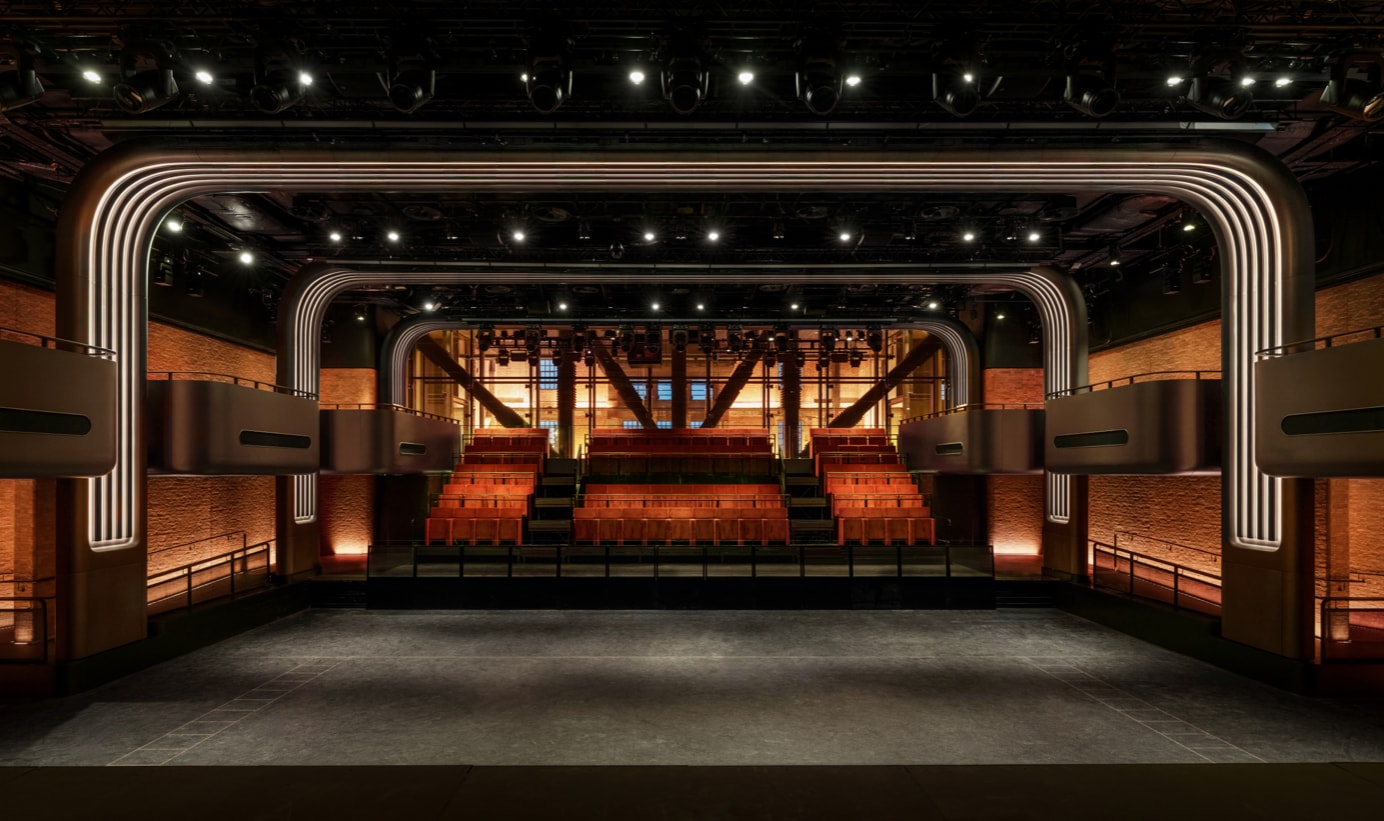
Apple Music is stepping further into the live music world with the opening of Apple Music Hall, a new 600-capacity venue inside London’s Battersea Power Station.
The space is designed to give artists an intimate setting to perform for fans while also capturing the show for a much wider audience. A single performance can be recorded in Spatial Audio, mixed for broadcast and filmed from multiple camera angles, with performances also livestreamed globally.
What is Apple Music Hall?
Apple Music Hall is a new live music venue at Apple’s London headquarters in Battersea Power Station.
The 600-capacity space is deliberately designed to combine the closeness of a small venue with the production capabilities you’d normally expect from a much larger show. Its 38-foot-wide stage can be configured for traditional performances or shows taking place in the round.
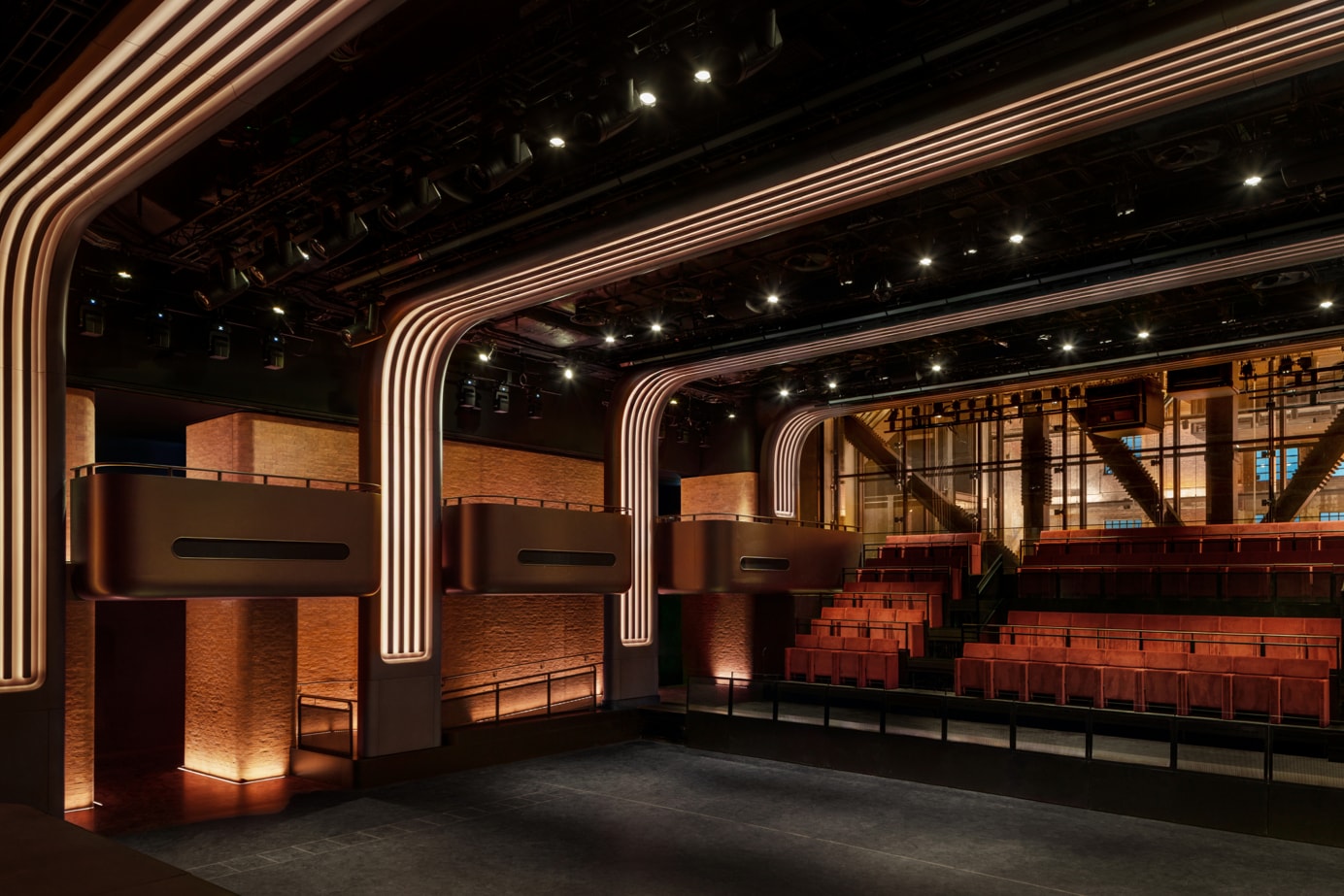
The venue also features a 48-speaker Spatial Audio system, allowing performances to be experienced immersively by the audience.
But the technology behind the stage is arguably the most interesting part.
Apple Music Hall has two professional recording and mixing studios, allowing performances to be captured as multitrack recordings and mixed in Spatial Audio either during or after the show. It is also equipped to handle 16 or more cameras, alongside iPhone video capture, through a dedicated broadcast control room.
That means an artist can play one intimate show and come away with a live recording, broadcast-ready mix and multicamera video from the same performance.
One live show, a much bigger audience
The first Apple Music Hall performances are expected to be one-off shows, with fans in London able to attend while audiences elsewhere can watch via global livestreams.
That combination of physical and digital audiences is worth paying attention to.
A live performance no longer has to exist only for the people who managed to get into the room. With the right production setup, the same performance can become a livestream, a Spatial Audio recording, video content and potentially further promotional material.
For artists, that makes live shows increasingly valuable as a source of content as well as a way to sell tickets and connect with fans.
Apple is bringing more of its music operation under one roof
Apple Music Hall isn’t arriving on its own.
Apple has also opened new Apple Music Radio studios at Battersea, with its London-based hosts and shows moving to the new location. The studios will support live radio broadcasts, interviews, premieres and other artist-led programming.
BBC News reports that the site also includes spaces for DJ mixes, writing camps and band rehearsals, with the wider building wired for audio and video production.

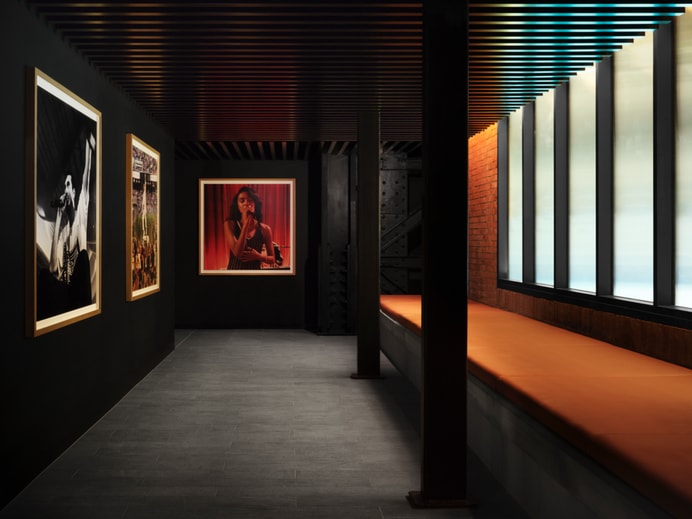

That makes the project broader than simply adding another concert venue to London. Apple is creating a physical space where artists can perform, record, appear on radio and create content that can be distributed to listeners around the world.
Why Apple Music Hall matters for artists
Apple Music Hall arrives at an interesting time for live music.
The BBC reports that 45 London venues closed last year, while around 400 clubs across Britain closed between 2020 and 2025. The figures underline the pressure facing parts of the UK’s live music infrastructure.
At the same time, digital platforms like Apple Music are looking for new ways to connect listeners with the music they love in more intimate ways.
Apple Music already offers streaming, curated playlists, interviews, premieres and Apple Music Radio. Apple Music vice president Oliver Schusser told the BBC that the company wants its music service to be more than a place where listeners simply press a button and start streaming.
Apple Music Hall fits neatly into that idea. By putting artists and fans in the same room, the experience can extend far beyond the venue thanks to technology.
For independent artists and labels, the wider takeaway is that the music ecosystem is becoming increasingly connected. A release isn’t necessarily just an audio file sent to streaming services. Live performances, short-form video, interviews, livestreams, fan communities and artist profiles can all play a role in how listeners discover and connect with music.
Building an audience beyond the stream
Apple Music Hall won’t suddenly make intimate live performances available to every independent artist, and Apple’s programming will determine which artists get the opportunity to perform there.
But the format offers a useful idea to take away: think about what you can get from each piece of music beyond the stream itself.
A live session could become social clips. A performance could become a YouTube video. A release could be paired with a livestream, behind-the-scenes content or a fan-focused event.
For independent artists, having your music available across streaming services remains an important part of that wider strategy. RouteNote lets artists and labels distribute music to Apple Music, Spotify, YouTube Music, TikTok and other major platforms for free.
Apple Music Hall shows where the industry is heading. Streaming platforms aren’t just competing for listeners’ ears. They’re increasingly looking for new ways to bring artists, fans and experiences together.
And for artists, that means there are more opportunities to think beyond the track itself and turn music into something fans can see, experience and share.