
YouTube brings back DMs: Here’s what you need to know
YouTube has officially brought back direct messaging after a six-year absence, opening new opportunities for artists and fan discovery.
YouTube is becoming more social once again.
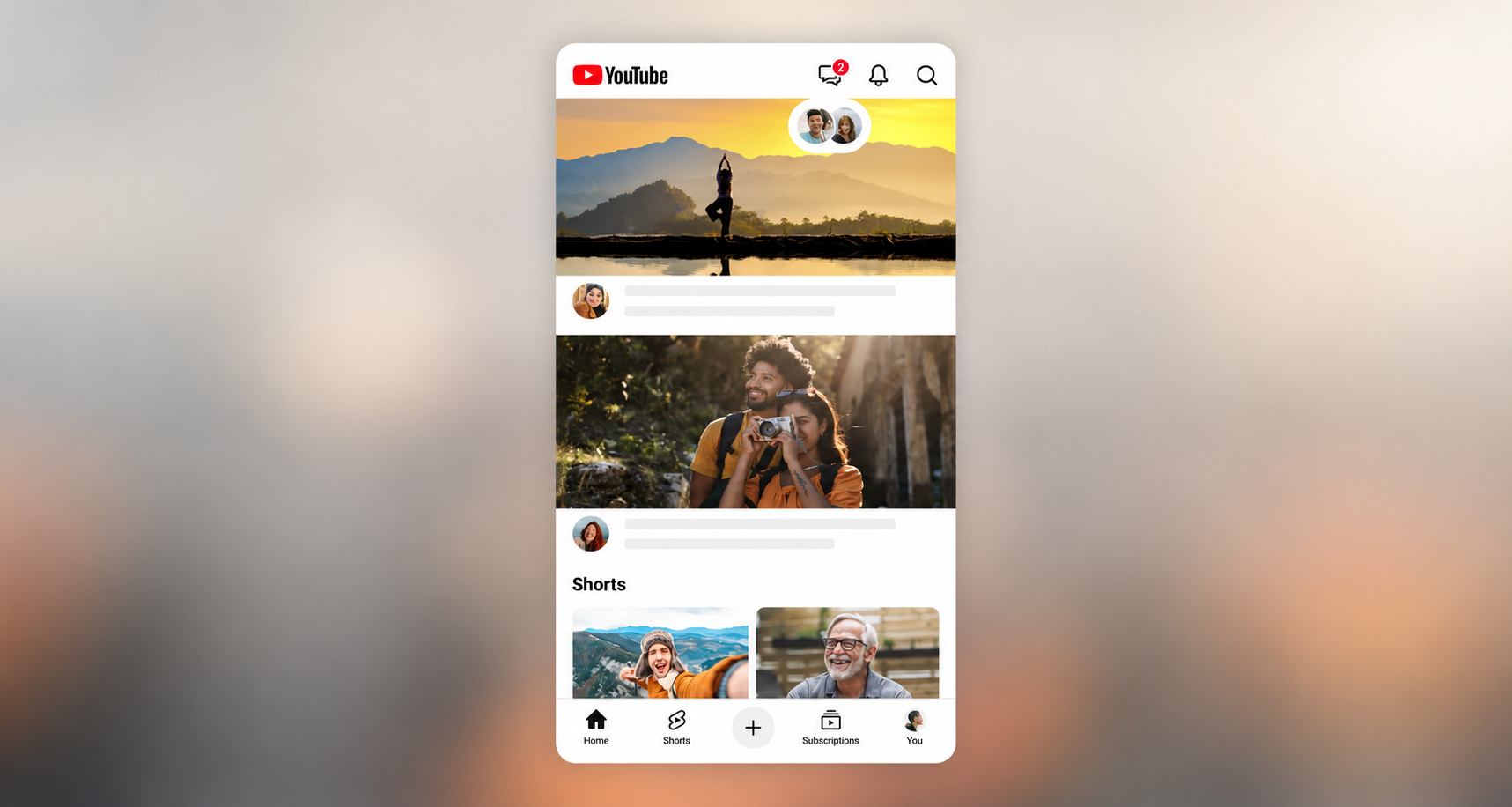
After six years without direct messaging, YouTube has officially reintroduced DMs to the platform, giving users a new way to share videos and chat without leaving the app. The feature arrives after months of testing and responds to what Google previously described as one of YouTube’s most requested features.
While it may seem like a simple quality-of-life update, the return of YouTube DMs could create opportunities for creators, artists, and labels.
YouTube officially brings back direct messages
Users aged 18 and over can now send invitations to connect and share videos directly through a new messaging icon within the YouTube app.
The feature allows users to share videos and react to content in real time without needing to switch to another platform. Whether it’s a music video, a Short, a live stream, or a tutorial, viewers can now discuss and share content from within YouTube itself.
The rollout follows a six-month testing period across a number of European markets and is currently expanding across the US, UK, Brazil, Singapore according to Mashable.
Users must first send an invitation before a conversation can begin, helping to reduce spam and unwanted messages. YouTube has also confirmed that all conversations remain subject to its Community Guidelines, with moderation and reporting tools built into the experience.
The move marks a notable reversal for YouTube. The platform originally launched direct messaging in 2017 before removing the feature in 2019 as it shifted focus towards public interactions through comments and community posts.
Now, however, YouTube appears to be leaning back into private sharing.
Why YouTube is bringing DMs back
The timing isn’t particularly surprising.
Over the past few years, private sharing has become one of the dominant ways people discover content online. While public feeds still drive visibility, many viral moments now spread through group chats, direct messages, and private communities.
Platforms like Instagram and TikTok have already benefited from this shift in user behaviour. People increasingly discover content because a friend sent it to them rather than because an algorithm surfaced it.
In that context, YouTube was beginning to look like an outlier.
By bringing messaging back, YouTube can keep more of those sharing interactions inside its own ecosystem instead of relying on users copying links into competing apps.
What it means for independent artists
For artists, the biggest opportunity lies in discoverability.
Every musician knows the value of word-of-mouth marketing. A recommendation from a friend often carries far more weight than an algorithmic recommendation or paid advertisement. YouTube’s new messaging feature effectively makes it easier for fans to become promoters.
Imagine a fan discovering your latest music video, a behind-the-scenes clip, or a YouTube Short and immediately sharing it with friends inside the app. That extra layer of friction has been removed.
The easier it becomes for fans to share content, the greater the potential for organic discovery.
Making the most of YouTube’s growing ecosystem
As YouTube continues to evolve beyond a traditional video platform, artists should think about how their content can encourage sharing and conversation. Short-form content is particularly well positioned here. A funny clip, teaser, reaction moment, or memorable performance snippet is often easier for fans to share privately than a full-length music video.
That’s why getting your music into the YouTube Shorts ecosystem can be so valuable. When your tracks are available in the Shorts music library, creators and fans can use your music in their own content, potentially extending your reach far beyond your existing audience.
Likewise, ensuring your music is registered with YouTube Content ID helps you identify and monetise eligible uses of your music across the platform.
With RouteNote, artists can distribute music to YouTube Music, access YouTube Content ID, and make tracks available for use in YouTube Shorts, helping maximise visibility across YouTube’s growing ecosystem.
As new sharing tools emerge, having your music properly distributed and discoverable across every part of the platform becomes increasingly important.
The bigger picture
The return of YouTube DMs isn’t just about messaging.
It’s another sign that the platform wants to become a more complete social destination where people watch, share, discuss, and discover content without leaving the app.
For artists, that matters because discovery rarely happens in isolation. Fans don’t just listen to music anymore; they share it, recommend it, react to it, and build communities around it.
The platforms making those interactions easier are often the platforms creating the biggest opportunities for growth.
YouTube’s messaging comeback may seem like a small update today, but it reflects a broader shift towards more social, community-driven content discovery. And for independent artists looking to grow their audience, that’s a trend worth paying attention to.
Distribute your music to YouTube and other major platforms worldwide for free with RouteNote today!