
Less artists are touring, we have a problem
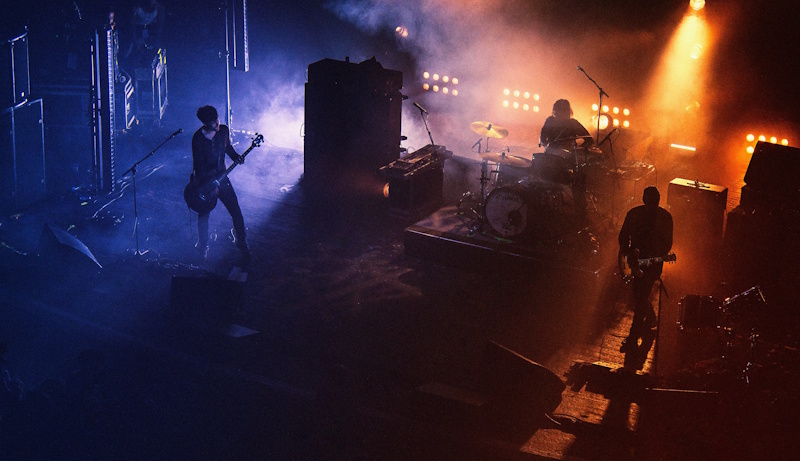
Image credit: Rocco Dipoppa
The huge resurgence of live music after Covid has dropped off and now we’re seeing artists large and small turn away from touring.
Only a few years ago, live music saw an explosion thanks to the aftermath of the global Covid-19 pandemic. Artists needed work and music lovers were hungry to get out and experience art in-person again.
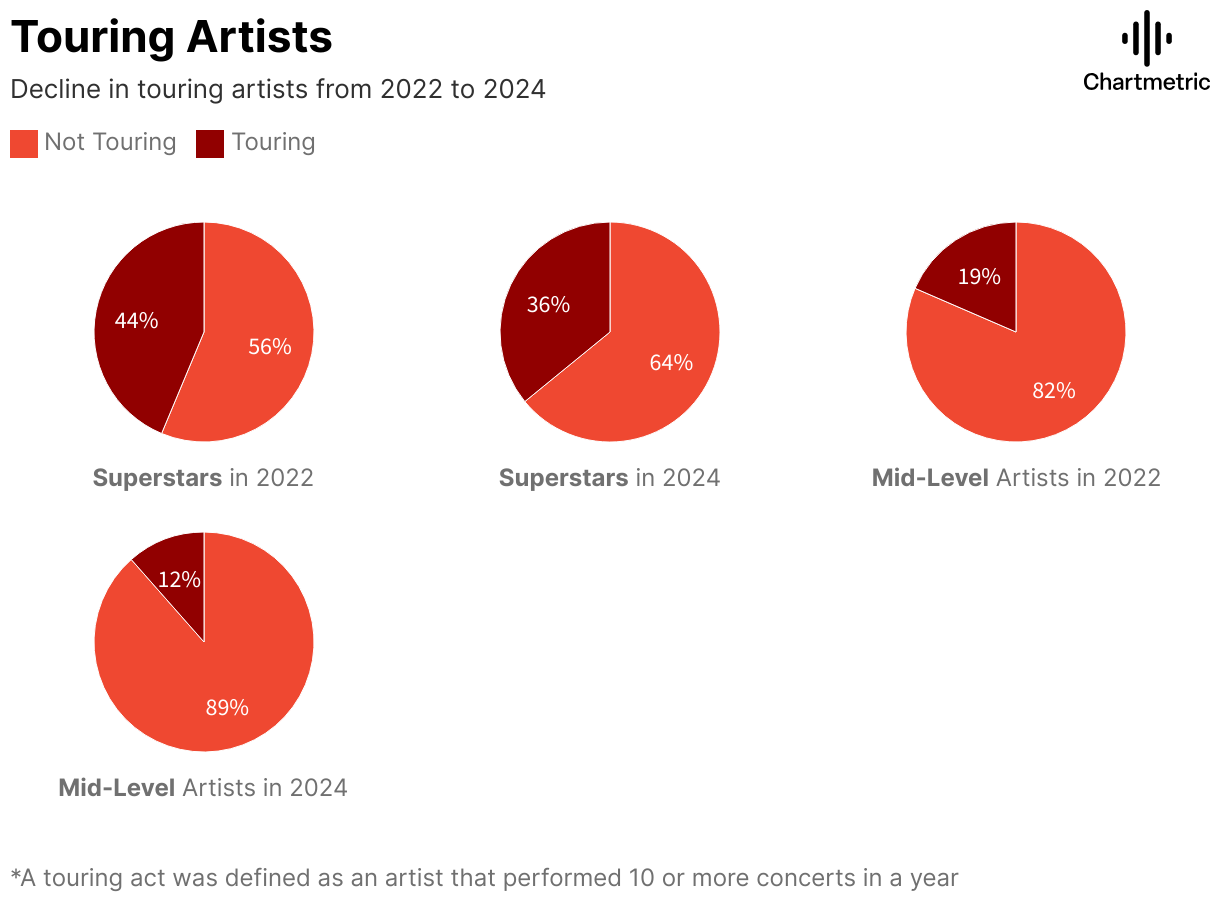
However, new data shows that touring is falling again for artists of all sizes. Chartmetric have reported on a significant drop in touring artists between 2022 and 2024, and it is affecting both “superstars” and “mid-level artists”.
Chartmetric defined touring artists as artists who performed 10 or more concerts in the year. They looked at the top 1,000 artists from each career stage to get an idea of how touring is changing.
At superstar level, the percentage of artists touring dropped from 44% in 2022 to 36% in 2024. Mid-level artists also saw a huge drop, from 19% of those analysed touring in 2022 to just 12% in 2024.
There are a number of reasons culminating to make it harder or less attractive for artists to tour. Of course, some of the falloff is a natural calming down of the post-Covid boom when festivals and venues excitedly returned.
Charmetric point to global trends like “rising travel and accomodation costs, historically low ticket sales, and increasingly restrictive visa regulations in countris like the US and the UK”.
As Chartmetric point out, it’s not just emerging and mid-level artists struggling to perform live. A bunch of major artists cancelled their tours due to low ticket sales last year, including Jennifer Lopez, The Black Keys, and Lauryn Hill.
As Music Ally point out, the huge costs of seeing major artists may also be dissuading audiences to spend remaining funds on smaller acts. The Guardian point out that the average price of tickets sold for Oasis’ reunion tour is more than £757 – that’s before other costs involved with seeing an artist.
Similarly, Taylor Swift’s incredibly successful Eras tour saw her make over $2 billion in sales. The highest price for a ticket on Swift’s Eras tour cost $14,000 for the closing night in Vancouver.
As music taste becomes more niche, with subcultures popping up thanks to the availability of artists on digital music services, platforms like Spotify try to promote concerts that are local to listeners or to fans of artists. However, concerts are still reducing.
It’s not all doom and gloom. Whilst live music, particularly for small/independent artists and venues, the UK government and UK Live Trust have a new scheme to lift up smaller venues. They aim to reallocate $1 per ticket sold for stadium and arena concerts to smaller venues.
Australia’s parliament announced recommendations earlier this year that would improve the state of live music in the country. Recommendations included tax offsets, ticketing transparency, and a similar levy as the UK on large-scale music events’ ticket sales.
Otherwise, it’s important to get out and see artists big and small – especially small. Tap into your local music community, the grassroots and indepedent venues. Go and see small artists playing locally, even if you don’t know them.
To keep live music alive we have to make the most of it and raise it up. Find your local music community and take part to keep it going.