
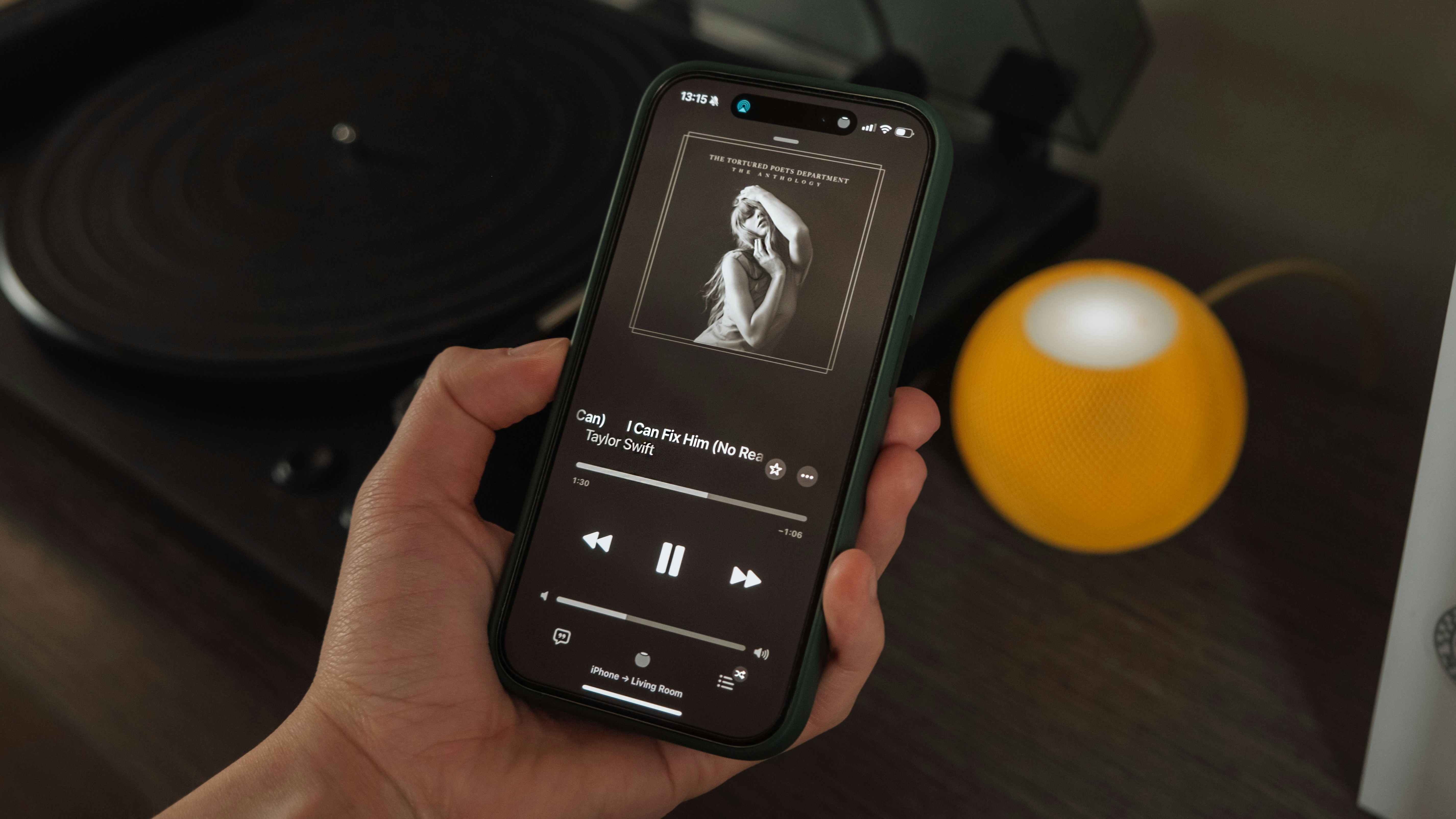
Apple Music raises subscription prices as streaming costs continue to climb
Apple Music has increased subscription prices across its Individual, Family and Student plans. Here’s what’s changing, why prices are rising, and what it could mean for artists and the wider music streaming industry.
Apple Music has increased the price of its paid subscription plans, becoming the latest major streaming service to charge listeners more as music subscription costs continue to rise.
The changes affect Individual, Family and Student plans across several markets, with Apple citing “rising licensing costs” as the reason behind the increase.
According to MBW, the new prices are already rolling out in the US, UK and Europe, with other regions expected to follow.
Apple Music’s new subscription prices
Here’s how Apple Music’s pricing has changed:
- Individual: $10.99 → $11.99 per month (+$1)
- Family: $16.99 → $19.99 per month (+$3)
- Student: $5.99 → $6.99 per month (+$1)
The Family plan sees the biggest increase, rising by almost 18%, while Individual and Student subscriptions each increase by $1 per month. Existing subscribers will generally move onto the new pricing from their next billing cycle after being notified by Apple.
Why is Apple Music increasing its prices?
Apple says the changes are the result of “rising licensing costs”, the same explanation it gave when it last increased Apple Music prices in 2022. According to MBW, Apple confirmed that higher licensing costs are behind the latest adjustment.
It was recently rumoured that price rises could be coming to Apple Music when Apple announced price rising would be coming elsewhere across the Apple product line. Now, those rumours have become a reality.
This is Apple’s first price increase since 2022, ending nearly four years without changes to its standard subscription pricing.
Part of a wider streaming trend
Apple Music isn’t alone. Earlier this year, Spotify also increased subscription prices across multiple markets, while Amazon Music and YouTube Music have made similar adjustments.
As streaming growth slows in many major markets, industry executives and major record labels have been pushing for subscription price increases to generate more revenue growth within streaming.
Not to mention, there’s the argument that music streaming remains relatively inexpensive given the unlimited music access it provides, compared to the past era where people would have to buy each record individually from their local music store.
What does this mean for artists?
For independent artists, these price increases don’t directly change how you release music, but they do reflect a broader shift in the streaming business.
Higher subscription prices can increase the amount of revenue entering the streaming ecosystem over time, although exactly how that translates into royalties depends on each platform’s payout model and overall subscriber behaviour. At the same time, streaming services are under growing pressure to balance profitability with keeping subscriptions attractive enough for listeners to stay.
With competition between platforms continuing to grow, artists should focus on reaching audiences wherever they choose to listen. Distributing your music widely across Apple Music, Spotify, Amazon Music, YouTube Music and dozens of other streaming services helps ensure your releases remain accessible regardless of where fans subscribe.
With RouteNote, you can distribute your music globally for free, making it easy to reach listeners across every major streaming platform while keeping control of your releases.
Distribute your music to Apple Music and other major platforms for free with RouteNote today.