
What it means to be a songwriter is changing
Image credit: Soundtrap
Being a songwriter is changing in 2025 and that means fresh struggles, new opportunities, and a redefinition of how to be songwriter.
The romantic image of the anonmyous songwriter, penning historic hits from the shadows, is rapidly becoming a relic of the past. In 2025, the industry demands more. For today’s songwriter, visibilitiy isn’t just recognition of their hard work; it’s a vital component of survival and success.
The digital era, while presenting presh struggles, has also unlocked unprecedented opportunities, forcing a fundamental redefinition of what it means to be a songwriter. The songwriter’s place in the musical ecosystem is in a state of powerful transformation.
According to MIDiA Research’s Songwriter Survey 2025, this evolution is not just a passing trend but a seismic shift. Based on insights from 776 songwriters across North America and Europe, the report highlights the contemporary challenges they face and, more importantly, illuminates the path forward as they step out of the background and into the spotlight.
How streaming has changed the game
In the time of physical media, songwriters financial success was directly tied to the sale of records. A well-negotiated publishing deal mean that every album sold contributed to their mechanical royalties.
The streaming industry has changed that. Now, revenue is generated per-stream on individual tracks, meaning a songwriter only earns from the specific songs they’ve contributed to. While this may seem equitable on the surface, the reality is more complex.
Songwriters typically receive a smaller percentage of streaming revenue compared to the share allocated to the master recording holders (artists and labels). Furthermore, artists have been able to offset lower streaming payouts with massive boosts in touring, merchandise, and brand deals, which the traditional songwriter could not fall back on.
But that is all changing. According to MIDiA’s 2025 survey of 776 songwriters around the world – particularly in North America and Europe – they found that songwriters are “reinventing their role”, adding: “The ripple effects of this shift will drive change among not just publishers and collection agencies, but the recorded music side as well.”
How songwriters are redefining their role
Songwriters are building their careers beyond the classic frameworks of a service provider to a multi-faceted music entrepreneur. Songwriters are leveraging digital platforms to build a personal brand and diversify their income from a songwriter for artists.
Songwriters have been taking to social media to reach fans of the music they write, and acquire new ones for other work. This can help to push the promotional ecosystem of songs on social media. With platforms like TikTok capable of breaking huge hits, songwriters were earning roughly a quarter of their earnings from songs used on social media.
The top two sources of income were logically still mechanical royalties and performance royalties, respectively. However, songwriters state these sources can be unpredictable. So, MIDiA found that songwriters’ revenue portfolio is remarkably diverse as of May 2025. Key income streams now include:
- Revenue from songs on social media: The third largest source of income, although this is likely made up from revenues from the artists they’ve written for largely.
- Teaching and coaching: Sharing expertise with aspiring musicians is the fifth-largest income source.
- Works for hire: Eschewing traditional songwriter relationships, more songwriters are taking to platforms like SoundBetter and Fiverr to offer their skills.
- Production music: Creating music for use in films, TV, and commercials.
- Brand partnerships: Collaborating with brands that align with their personal image.
- Sample & sound packs: Designing and selling sounds for producers and software.
- Demo vocals: Providing professional-quality vocals for other writers’ and producers’ demos.
This diverse portfolio approach demonstrates a strategic pivot: leveraging core songwriting and musical skills in new markets to create a more stable financial foundation.
Additionally, MIDiA found that songwriters are taking a more forward-facing performance role, producing, recording, and performing their own music beyond writing others’. This is culminating in live performances and a bigger social media presence.
The growing presence of songwriters online
A significant trend is the rise of the songwriter-artist. By producing, recording, and performing their own music, songwriters are taking full control of their creative output and revenue streams. This forward-facing role, amplified by a strong social media presence and live performances, allows them to connect directly with an audience and build a dedicated fanbase for their own projects.
The power of platforms
Earlier this month, TikTok introduced ‘Songwriter Features’. These new features allow songwriters to credit their profile with a ‘Songwriter’ tag boosting their profile on the platform. A new ‘Songwriter Music Tab’ has also been introduced to their profiles, showcasing tracks they they’re written or co-written.
It’s part of a new drive to not only give credit to the once hidden writers of songs, but to enable them a spot in the highlight to build their career and fandom. It’s a trend happening across many of the biggest music platforms, like Spotify’s songwriter pages.
YouTube even runs songwriting camps in which they help to coach up and coming songwriters and boosting their profiles. In many ways, the open platforms of the internet are offering new recognition and opportunities for songwriters to get recognised.
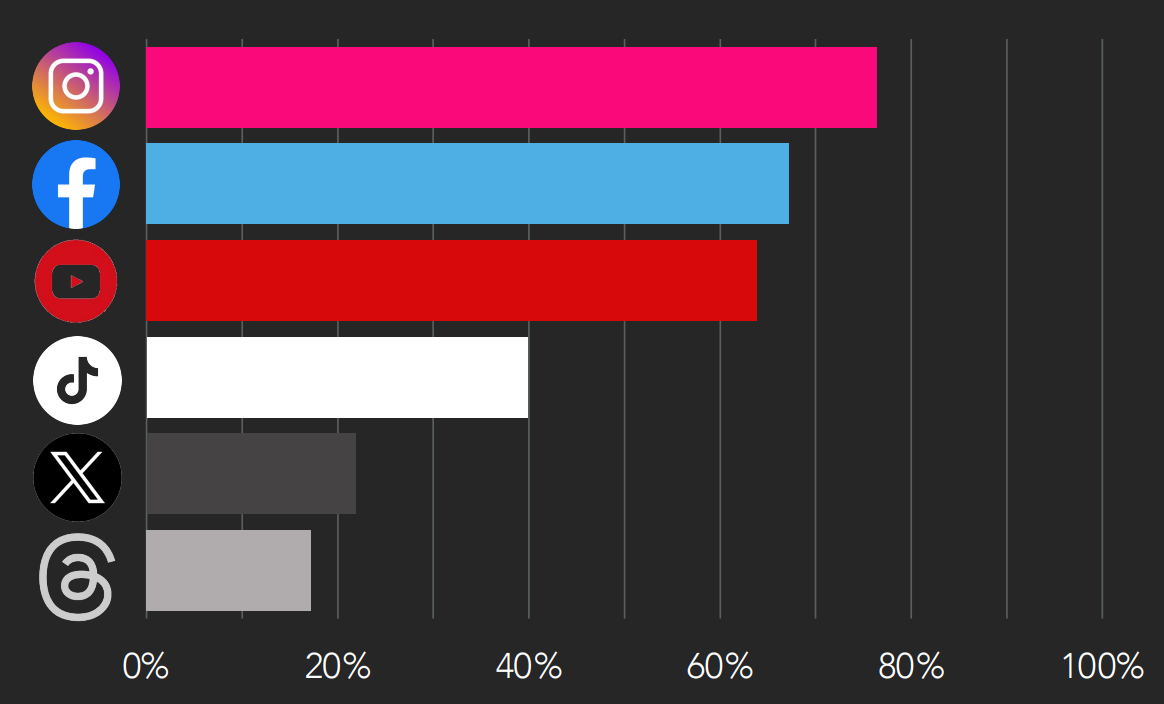
MIDiA found that more than 80% of songwriters now post on social media for their careers. Creators even referred to their profiles as their “resumé”, allowing them the visibility to connect with new collaborators and set up contact easily.
Instagram is the favoured platform by far, with Facebook and YouTube shortly behind. Further behind them, TikTok is used by roughly 40% of songwriters. X follows in fifth place and Threads behind that, both used by less than 25% of songwriters.
Your 2025 strategy: How to maximise your songwriting career
To succeed in 2025 and beyond, songwriters must be proactive, strategic, and entreprenurial – much the same as independent artists. Here’s a blueprint for maximising your career.
1. Build your personal brand as a creator
Forget anonymous songwriting, your name is your business now. Cultivate a presence on platforms like TikTok, Instagram, and YouTube. Post snippets of writing sessions, explain the story behind a lyric, or break down the production of a track. This will build authentic connections with fans.
Ensure that you also use tools like Spotify’s songwriter pages and TikTok’s songwriter features so that the music you work on is both properly credited and builds upon your digital presence.
2. Diversify your skill set and services
Become a one-stop creative shop. Invest time in learning foundational skills in a Digital Audio Workstation (DAW) like Logic Pro or Ableton Live. The ability to produce a high-quality demo, engineer your own vocals, or create compelling sound packs makes you infinitely more valuable. Market these distinct skills on for-hire platforms to generate a consistent income between royalty cheques.
3. Embrace and analyse the data
For the first time, you have direct access to analytics. Use tools like Spotify for Artists and Apple Music for Artists to see who is listening to your music and where. Is a song you wrote for an indie artist suddenly gaining traction in Germany? That’s your cue to network with German publishers or artists. Data empowers you to make smarter, proactive business decisions.
4. Master the business of music
You can’t afford to be ignorant on the business side. Deepen your understanding of publishing, sync licensing, master vs publishing rights, and how your local Performing Rights Organisation (PRO) works – more info on them here. This knowledge empowers you in every negotiation, ensures you are collecting all the revenue you are owed, and helps to alleviate some of the unpredictability of royalty incomes.
Conclusion: The entreprenurial songwriter
It is not easy being a songwriter in 2025, but it can be highly rewarding. The path of the songwriter is in some ways more demanding than ever before, but that path is also lined with new opportunties.
The isolation of the past has been replaced by a call for connection, branding, and entrepreneurial hustle. By embracing technology, diversifying skills, and taking ownership of their personal brand, songwriters are not just surviving the new music economy – they are poised to redefine it.
The future belongs to the creator who is both an artist and an architect of their own success.