
Latin music revenue grew 8.6% to $542M in the US during H1 2026
Latin music generated $542.2 million in US recorded music revenue during the first half of 2026, with streaming remaining the biggest driver alongside sharp growth in vinyl and sync.
Latin music continues to grow in the US. According to the Recording Industry Association of America (RIAA), Latin music’s recorded music revenue reached $542.2 million during the first half of 2026.
It’s a figure that represents an 8.6% year-on-year increase, putting Latin music ahead of the wider US recorded music market, which grew 6.9% over the same period.
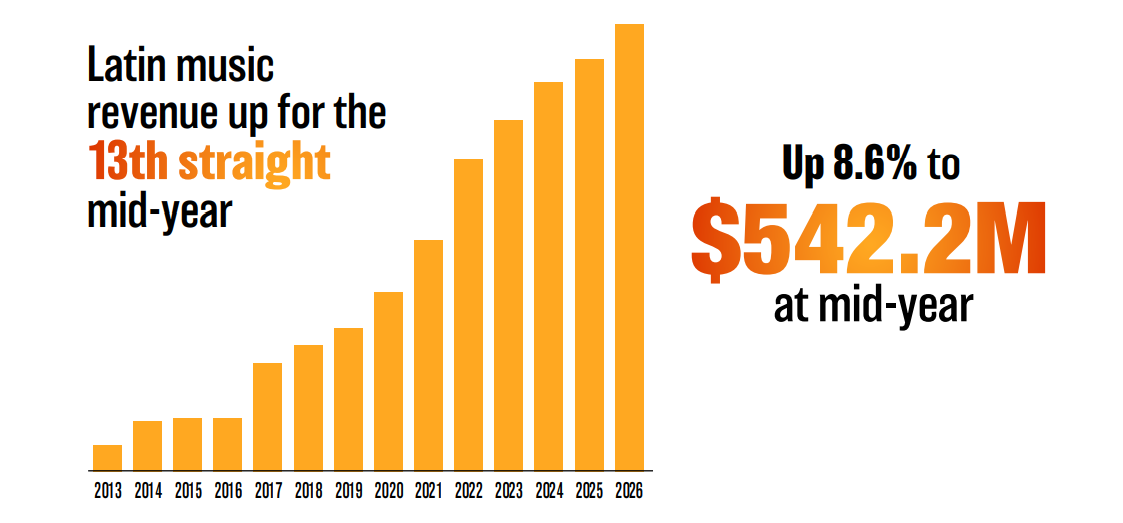
It also marks the 13th consecutive mid-year period of growth for Latin music. The genre now accounts for 9.1% of total US recorded music revenue, up from 8.8% at the same point in 2025.
So, where is that growth coming from?
Streaming remains the biggest driver
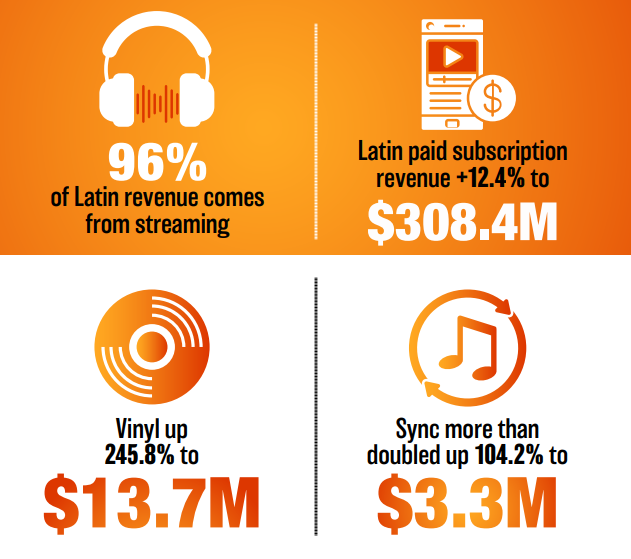
Streaming continues to dominate Latin music revenue in the US, accounting for 96% of the total in H1 2026. Paid subscriptions were the biggest individual contributor, generating $308.4 million, up 12.4% year on year. Free streaming revenue, meanwhile, reached $177.8 million but fell 1.1%. All-in-all, those figures meant that streaming revenue increased 6.5% to $522.2 million.
For independent artists and labels, the numbers underline just how important digital distribution remains. Getting music onto major streaming services through distributors like RouteNote gives artists access to the same digital ecosystem where the overwhelming majority of Latin music revenue is being generated.
The opportunity isn’t limited to the US either. Luminate’s mid-year data found that Latin music reached 363.2 billion global streams during the first half of 2026, up from 335.3 billion a year earlier. In the US, 9.5% of all music streams were in Spanish, while 54% of listeners reportedly engaged with Latin music.
Vinyl sees a huge percentage increase
Streaming might dominate, but physical music is growing too, particularly when you look at vinyl.
Latin vinyl revenue increased by 245.8% year on year, reaching $13.7 million. Vinyl units increased by an even larger 291.2%, with around 800,000 units sold during the first half of the year.
While physical revenue represents only a small part of Latin recorded music revenue, the increasing popularity of vinyl is hard to overlook. For artists, it shows that physical formats can still create additional revenue.
Sync revenue more than doubles
Another standout figure came from sync. Latin music’s sync revenue increased 104.2% to $3.3 million in H1 2026. Again, the category remains relatively small compared with streaming, but the growth shows how recorded music can generate value beyond streams and downloads.
Sync placements can introduce music to audiences through film, TV, advertising, games and other visual media. For independent artists and labels, keeping rights information organised and making music easy to discover can be useful when opportunities arise.
Downloads continue to shrink
Not every format grew. Total download revenue fell 11.8% to $2.8 million, with both single and album downloads declining year on year.
That continues the long-term shift away from ownership-based digital downloads towards access through streaming services.
For independent artists, it reinforces the importance of thinking beyond individual purchases. A release strategy today can be about building an audience across multiple platforms and giving fans plenty of ways to discover, save, share and return to your music.
The bigger picture for Latin music
The H1 figures aren’t happening in isolation. Latin music has been steadily increasing its share of the US recorded music market. RIAA data shows that it represented just 2.9% of the market at mid-year in 2017. It now represents 9.1%. Meanwhile, Latin music revenue is up for the 13th consecutive year.
Major cultural moments have helped bring Latin music to even wider audiences in 2026. Bad Bunny’s Super Bowl halftime performance and Shakira and Burna Boy’s World Cup anthem are two recent examples of moments that helped connect Latin music with new listeners.
The wider World Cup music campaign also demonstrated the scale of that reach. FIFA reported that its official 2026 World Cup album had surpassed 336 million streams by May, with Shakira and Burna Boy’s Dai Dai reaching the top 10 of Spotify’s global Top 50 at the time.
What this means for independent artists
Latin music’s H1 2026 performance points to a market where digital reach remains central, while other formats and opportunities can add extra value around a successful release.
For independent artists, that means making sure your music is available across the platforms where your potential audience is listening is a strong starting point. From there, building a consistent release schedule, understanding where your listeners are coming from and creating opportunities for discovery can help turn individual streams into a longer-term audience.
With RouteNote, you can distribute your music to major streaming services and digital platforms from one place. Get started for free and put your next release in front of listeners worldwide.
Distribute your music to major streaming platforms everywhere for free with RouteNote today.