
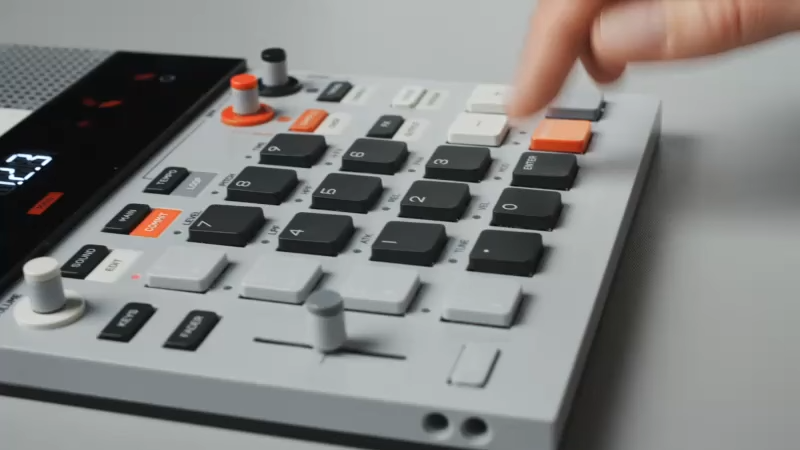
Teenage Engineering’s KO II sampler gets its biggest update yet
The EP-133 KO II just became even more capable, thanks to a major software update that introduces USB audio, longer sampling, an arpeggiator, and a range of workflow improvements for producers and performers.
Teenage Engineering’s EP-133 KO II quickly became a sampling favourite thanks to its portable design, hands-on workflow, and surprisingly deep feature set. Now, the company has released one of the sampler’s biggest software updates yet, bringing a collection of long-requested features that make it even more flexible in the studio and on stage.
The OS 2.5 update introduces USB audio, selectable recording sample rates, sample reverse, an arpeggiator, equal-length auto chopping, longer mono sampling, and dozens of workflow improvements across sequencing, sampling, MIDI, and performance.
As reported by The Verge, this is one of the most significant updates the KO II has received since launch, expanding what was already a surprisingly capable sampler into an even more versatile production tool.
A sampler that’s still evolving
When the EP-133 KO II launched in late 2023, it stood out for delivering Teenage Engineering’s playful design philosophy in a far more affordable package. Inspired by classic pocket samplers while offering a much more capable sequencer, effects engine, and performance workflow, it quickly found a home with beatmakers, electronic musicians, hip-hop producers, and live performers.
Since then, Teenage Engineering has continued to refine the sampler through regular updates. Rather than simply fixing bugs, many of these updates have introduced genuinely useful creative features, showing the company is continuing to develop the platform long after release.
OS 2.5 is perhaps the clearest example yet.
USB audio makes the KO II easier to integrate
One of the headline additions is native USB audio support.
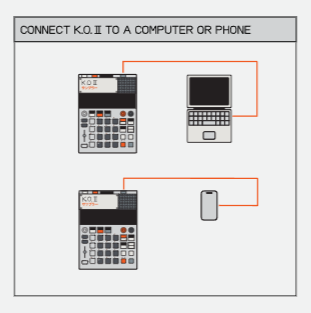
The KO II can now send and receive stereo audio over USB with any class-compliant host device. That means producers can connect the sampler directly to a computer, tablet, or smartphone without needing a separate audio interface.
For musicians who regularly move between hardware and software, this makes recording ideas into a DAW much simpler. Instead of routing audio through additional hardware, the KO II can now become part of a streamlined production setup, whether you’re capturing live performances, sampling sounds from another device, or building tracks in your preferred recording software.
For creators making music on the go, it also opens up easier mobile workflows using compatible phones and tablets.
Lo-fi sampling is now just a setting away
Another standout feature is the ability to choose different recording sample rates.
Teenage Engineering now has three recording modes:
- High (46.875 kHz)
- Mid (32 kHz)
- Low (26.25 kHz)
Rather than being purely technical options, these settings give producers another creative tool.
Recording at lower sample rates introduces the crunchy, gritty character associated with vintage samplers and early digital hardware. Instead of relying on effects plugins to recreate that sound later, users can capture samples with that texture from the beginning.
As The Verge notes, the lowest setting delivers a distinctly lo-fi digital sound, while the middle option adds subtle character without becoming overly degraded.
For producers making hip-hop, house, lofi, electronic music, or experimental beats, it’s another way to shape the personality of a track before mixing even begins.
Longer sampling and smarter chopping
Sampling workflows also receive meaningful improvements.
Previously, recordings were limited to 20 seconds. With OS 2.5, mono samples can now reach up to 40 seconds, giving users more room to capture vocals, melodies, ambience, or longer instrumental phrases.
Teenage Engineering has also introduced equal-length auto chopping. While the original transient detection worked well for separating drum hits, equal divisions make it much easier to slice loops, vocal phrases, or melodic performances into evenly spaced segments for rearranging and remixing.
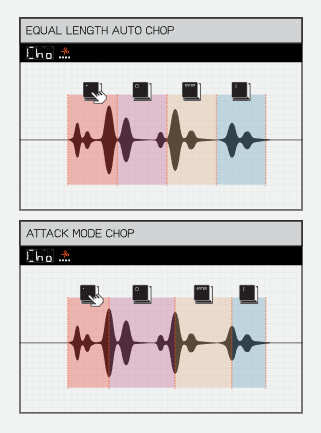
Combined, these updates make the KO II significantly more useful for producers who enjoy flipping samples or building tracks from longer recordings.
Reverse samples and an arpeggiator unlock new ideas
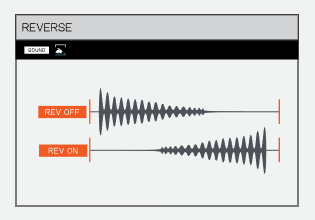
Some of the most enjoyable additions are also some of the simplest. Sample reverse has finally arrived, allowing producers to quickly transform existing sounds into evolving textures, risers, transitions, or unusual melodic phrases.
Alongside that is a new arpeggiator for keys mode.
Although arpeggiators are more commonly associated with synthesizers than samplers, The Verge points out that the KO II’s pitch-shifting engine makes it particularly effective for turning sampled sounds into basslines, melodies, and repeating rhythmic patterns.
For anyone treating the KO II as more than just a drum sampler, these additions greatly expand its creative possibilities.
Plenty of smaller improvements behind the scenes
The headline features are only part of the update. Teenage Engineering has also introduced improved time stretching, permanent sample trimming, new musical scales, per-pad timing adjustments, MIDI improvements, better panning behaviour, enhanced effects balance, sustain pedal support, and a long list of bug fixes designed to improve stability and day-to-day performance.
While many of these changes may go unnoticed individually, together they make the overall workflow smoother and more reliable, particularly during longer production sessions or live performances.
Pricing and availability
The EP-133 KO II remains available on Amazon for $329, while the new OS 2.5 update is available as a free download here.
The OS 2.5 update feels more like a substantial expansion of what the KO II can do. USB audio, lo-fi sampling modes, longer recording times, smarter chopping, reverse playback, and an arpeggiator all make the sampler more capable without changing the straightforward workflow that helped make it popular in the first place.
For current owners, it’s a welcome reminder that the KO II continues to evolve. And for anyone considering adding a portable sampler to their setup, it makes Teenage Engineering’s compact groovebox an even stronger option than before.