
Deezer launches Remix Lab, letting fans remix songs in-app while artists still get paid
Deezer has launched Remix Lab, a new feature that lets fans remix songs directly in the app with artist approval. Here’s what it means for artists, fan engagement, and the future of music streaming.
Music streaming is becoming increasingly interactive, and Deezer’s latest feature is another sign of where the industry could be heading.
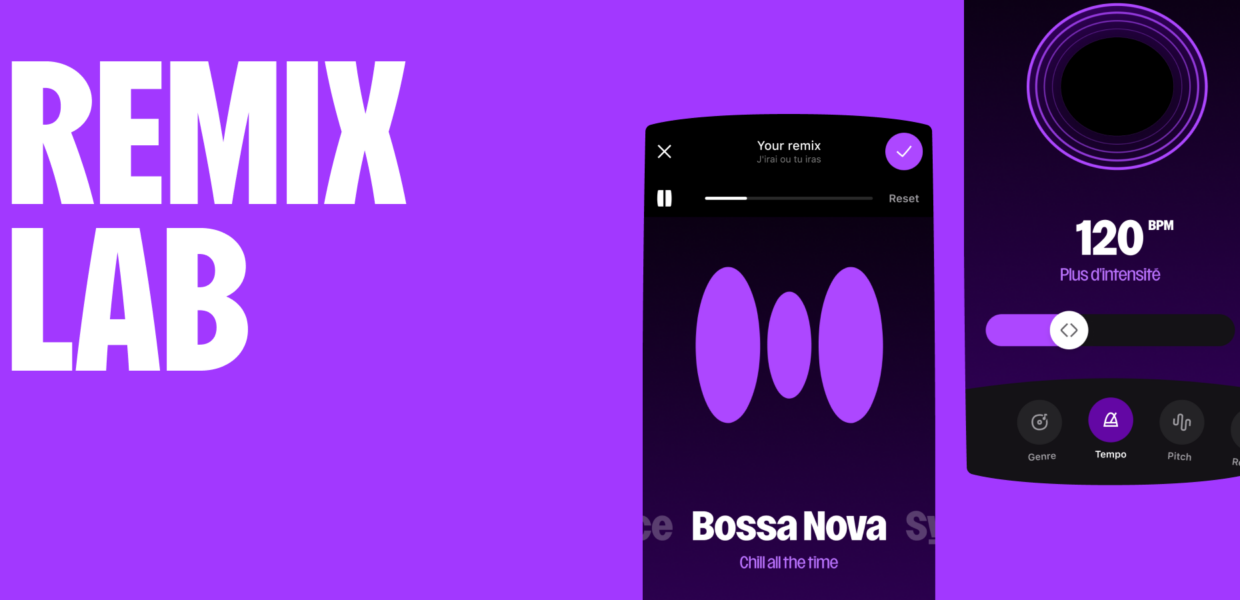
The streaming platform has announced the launch of Remix Lab, a new tool that allows fans to remix songs from participating artists directly within the Deezer app. Unlike many recent remix initiatives, Deezer says the feature has been built with artist consent at its core, ensuring rights holders remain in control and continue to earn royalties from every remix stream.
Initially launching in France, Remix Lab gives users the opportunity to put their own spin on tracks from selected artists while creating a new form of fan engagement that could help artists reach audiences in fresh ways.
Deezer’s Remix Lab puts fans into the creative process
Remix Lab is integrated directly into the Deezer app through the Deezer Club experience, allowing fans to remix eligible songs using a range of built-in tools, which includes a number of French artists such as Celine Dion at launch.
Users can apply simple effects such as speed changes and reverb, while more advanced options allow them to alter musical styles and genres. The resulting remix can then be streamed, added to playlists, and shared with other Deezer users. Crucially, these remixes are only available for tracks where artists and rights holders have explicitly agreed to participate.
Speaking about the launch, Deezer Head of Product Pierre Trochu explained that the goal is to make remixing accessible to everyday listeners rather than requiring specialist production skills.
The feature is currently tied to remix competitions hosted through Deezer Club, with winning entries set to be featured in dedicated playlists and rewarded with exclusive fan experiences.
Artists remain in control, and get paid too
One of the biggest talking points surrounding Remix Lab is how Deezer is handling artist compensation. Fan-made remixes have become commonplace across social platforms, particularly on TikTok, where altered versions of songs often spread rapidly. However, those edits don’t always create clear revenue streams for artists and rights holders.
Deezer says every Remix Lab stream is attributed back to the original recording, meaning artists continue to receive compensation whenever listeners play remixed versions of their songs.
This approach could help address one of the biggest challenges facing user-generated music experiences: how to encourage creativity without undermining artist earnings.
For independent artists and labels, that balance is crucial. New forms of fan participation can be powerful promotional tools, but only if creators remain properly credited and rewarded.
A response to changing fan behaviour
The launch reflects a broader shift in how audiences interact with music. According to Deezer, around 30% of tracks shared on TikTok have already been modified by users in some way. Rather than simply listening, many fans now actively engage with music through edits, remixes, mashups, speed-ups, slowed versions, and other creative formats.
For younger audiences in particular, music is increasingly becoming something to participate in rather than simply consume. This trend has helped fuel the popularity of fan edits across social media, while platforms continue exploring new ways to bring those creative behaviours into official environments.
Remix Lab effectively attempts to bridge those worlds, offering fans a sanctioned space to experiment while keeping artists, rights holders, and revenue streams connected to the original work.
Deezer’s alternative to AI-generated remixes
What makes Remix Lab particularly notable is that Deezer says the feature is not powered by generative AI. As reported by Music Ally, Remix Lab instead uses audio stem manipulation tools rather than AI-generated music systems.
That distinction matters.
Over the last year, many major music companies and streaming platforms have explored AI-assisted remixing, voice cloning, and generative music tools. While these technologies offer new creative possibilities, they have also sparked concerns around artist consent, copyright ownership, and the growing volume of AI-generated content appearing on streaming services.
Deezer has consistently positioned itself as one of the industry’s strongest critics of unchecked AI music growth. Earlier this year, the company expanded its efforts to detect AI-generated music.
By focusing on artist-approved remixing without generative AI, Remix Lab offers an alternative vision for interactive music experiences.
What this could mean for independent artists
While Remix Lab is currently limited to selected artists and only available in France, the bigger implications are worth watching.
For independent artists, fan-driven creativity can become a powerful extension of music marketing. Every remix, edit, challenge, or user-generated creation has the potential to introduce songs to new audiences and strengthen fan relationships.
The key question has always been how to enable that participation while preserving ownership, attribution, and revenue. If Deezer’s model proves successful, it could encourage other streaming platforms to explore similar artist-approved remix ecosystems in the future.
For artists distributing music today, the takeaway is clear: fan engagement is becoming increasingly valuable. Building communities that actively interact with your music can create opportunities that extend far beyond traditional streaming.
Moving forward
It’s still early days, and the long-term success of Deezer’s Remix Lab long-term remains to be seen. However, its focus on artist consent, fan creativity, and fair compensation offers an interesting glimpse into how interactive music experiences could evolve in the years ahead.
For independent artists, that’s a trend worth paying attention to.
The more ways fans can engage with your music, the more opportunities there are to build lasting connections. And once your music is available worldwide on streaming services and social media platforms thanks to distributors like RouteNote, you’ll be in the best position to take advantage of whatever new fan experiences emerge next.
Distribute your music to major streaming and social platforms worldwide for free with RouteNote!