
Suno CEO says AI music is not a crime as streaming fraud debate grows
Suno CEO Mikey Shulman has pushed back against comparisons between AI-generated music and streaming fraud, arguing that the music industry needs to work together to tackle manipulation.
AI-generated music continues to divide the music industry, but Suno CEO Mikey Shulman believes one distinction is getting lost in the debate: creating music with AI and committing streaming fraud are not the same thing.
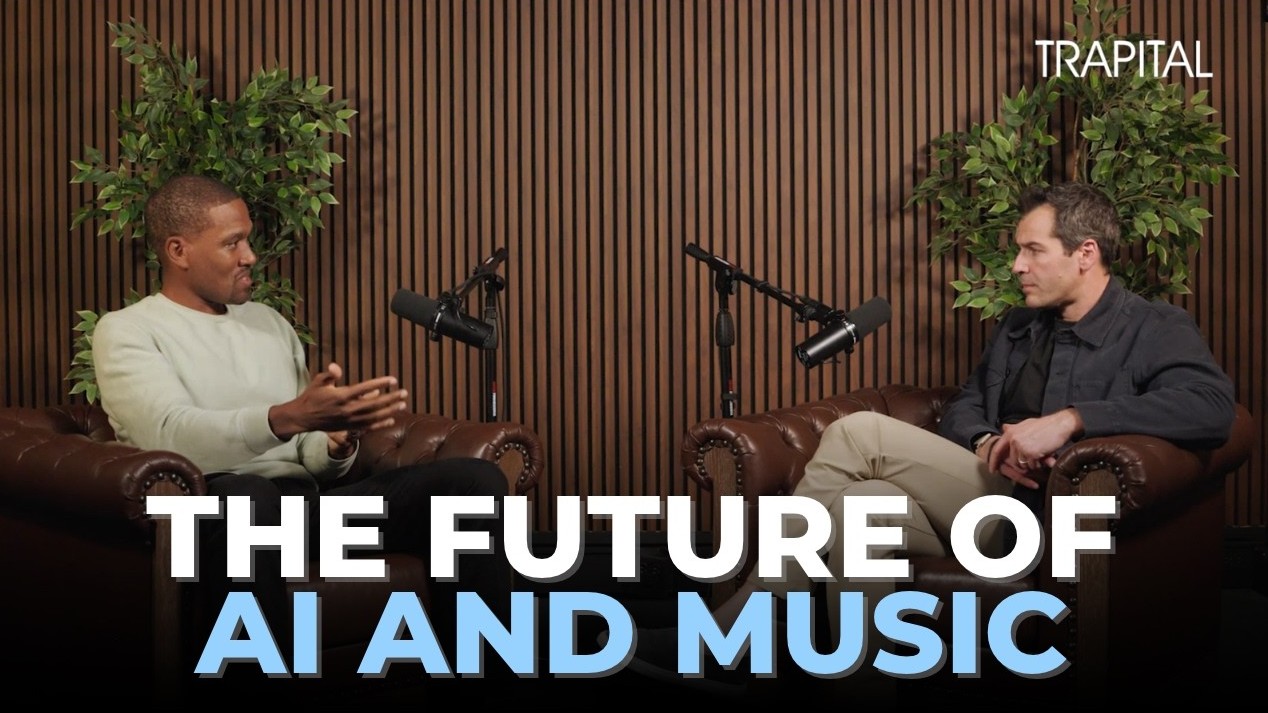
According to Music Ally, Shulman criticised what he described as a “sleight of hand” in equating AI music with streaming fraud while speaking on the Trapital podcast. Instead, he argues that the two issues need to be addressed separately.
His comments come as streaming platforms grapple with growing numbers of AI-generated uploads, while questions around copyright, royalties and music distribution continue to develop.
Suno CEO separates AI music from streaming fraud
“I am vehemently opposed to streaming fraud. That is a crime,” Shulman said during his interview with Trapital. “The fact that AI music is sometimes involved? AI music is not a crime.”
The Suno CEO argued that using AI to create music shouldn’t automatically associate an artist or creator with fraudulent activity.
However, he acknowledged that people are using AI music generators to produce tracks involved in streaming manipulation. Suno has introduced measures such as download restrictions and watermarks to help tackle misuse of its platform, with Shulman suggesting the company is also doing more behind the scenes than people realise.
He stopped short of detailing those additional measures, but stressed that tackling streaming fraud requires more than one company taking responsibility.
Why tackling AI music fraud requires industry cooperation
Shulman believes AI music companies, music distributors, rightsholders and streaming platforms need to work together to tackle fraudulent streaming.
Each part of the music industry has a different role to play. AI companies can introduce safeguards around music generation, distributors can monitor incoming releases, streaming services can identify suspicious listening patterns, and rightsholders can help protect the value of their catalogues.
However, he also suggested that the rapid development of AI has made it difficult for the industry to establish the cooperation needed to deal with these challenges.
There are already signs of this cooperation taking shape. In September 2026, RouteNote joined the Music Fights Fraud Alliance, an industry-wide initiative bringing together more than 35 organisations from across music distribution, streaming, rights management and technology.
For independent artists and labels, this cooperation matters. Streaming fraud can divert royalties away from legitimate creators and put artists at risk of being associated with suspicious activity, even when they haven’t knowingly done anything wrong.
By working together, the industry can improve fraud detection and protect the integrity of streaming, while ensuring legitimate artists aren’t unfairly caught up in the process.
And if you want to get your music onto streaming platforms, RouteNote helps distribute your music to Spotify, Apple Music, Deezer and more.
Get started for free with RouteNote and reach listeners worldwide today.