
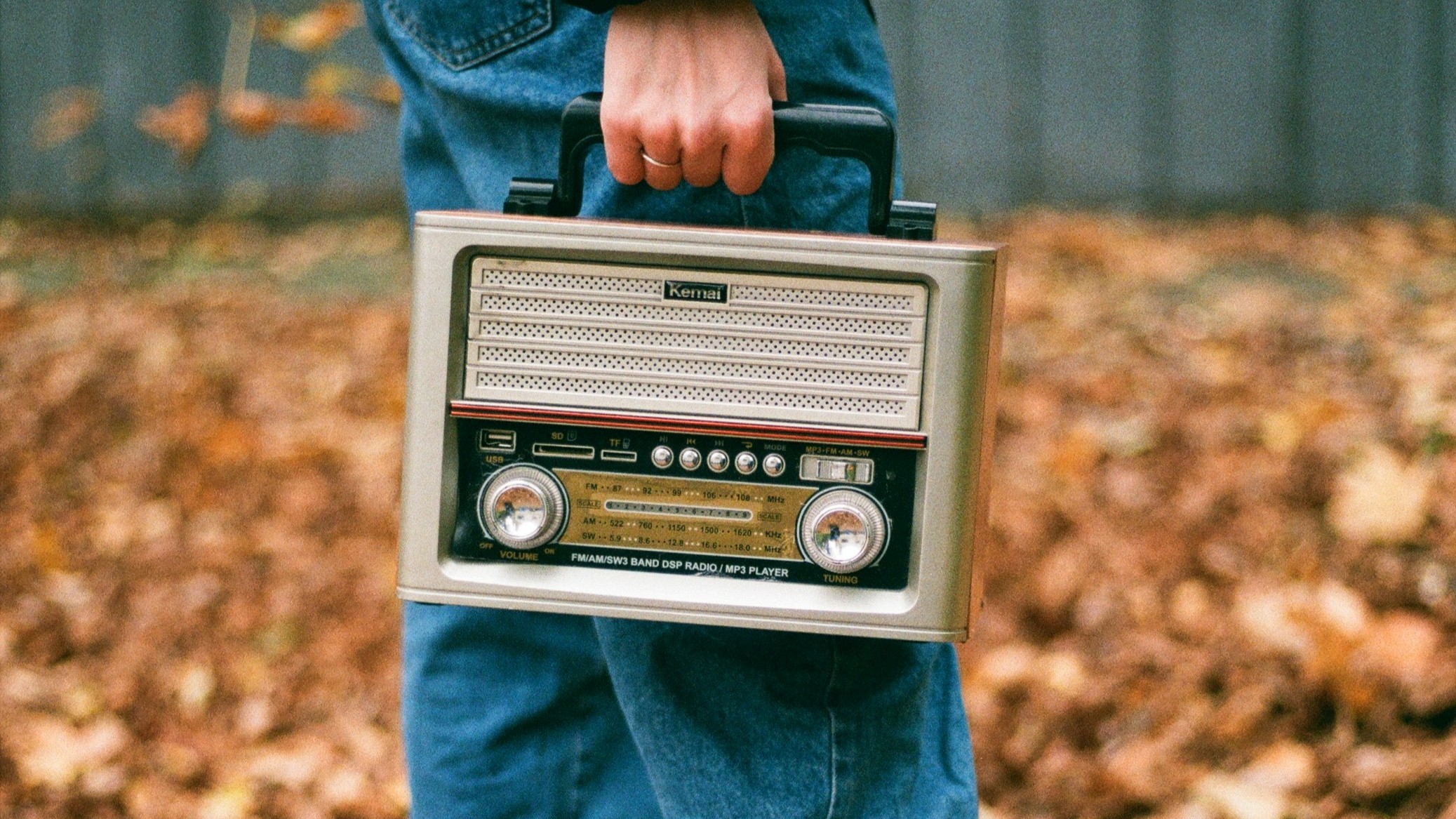
Could radio be making a comeback as a source of music discovery?
As streaming becomes increasingly personalised, listeners may be looking back to radio for something algorithms can’t quite replicate: human curation. Could this create new opportunities for independent artists?
For years, music discovery has seemed to be heading in one direction: more choice, more personalisation and increasingly sophisticated algorithms.
Streaming platforms can recommend thousands of artists at ease, while social media can put a song in front of millions of people overnight. Yet despite having more ways to discover music than ever, finding something genuinely unexpected can still be surprisingly difficult.
Now, one of music’s oldest discovery tools could be finding a new role. According to a new article from MIDiA Research, radio could be making a comeback as listeners look for more human-led music discovery.
Why are listeners turning back to radio?
MIDiA’s recent ‘Why music’s next discovery engine might be radio’ article argues that streaming’s abundance may actually be contributing to discovery fatigue.
With personalised playlists, recommendation algorithms and endless feeds, listeners increasingly have music selected for them. That makes listening incredibly convenient, but it can also create narrower listening habits. Instead of stumbling across something completely unexpected, you can end up hearing variations of music you already know you like.
Now, MIDiA suggests there is a push toward human curation instead of machine-led personalisation. And that’s where radio comes in.
Radio offers something that an algorithm simply can’t quite replicate: a person choosing the music, providing context and introducing listeners to something they might never have searched for themselves.
And that’s where radio’s potential revival gets interesting.
Radio could offer something streaming can’t
This doesn’t mean streaming is going anywhere. Of course, streaming remains one of the biggest ways people discover music.
Research from the Digital Media Association (DiMA) found that streaming was the leading source of music discovery in 2026, with 69% of respondents identifying it as a main way they discover new music. Playlists and recommendations were also among the most widely used discovery features.
But radio can complement that experience rather than compete with it.
MIDiA points to London’s NTS as an example of how radio can appeal to younger, highly engaged listeners through niche programming, human curation and a strong sense of community. Rather than simply pressing play on an algorithmically generated playlist, listeners are tuning into a particular DJ, programme or station because they trust its taste.
That sense of “I wonder what they’re going to play next” is difficult to manufacture with a personalised feed.
What could this mean for independent artists?
If radio becomes a bigger part of music discovery again, it could be particularly interesting for independent artists.
While streaming algorithms can make it difficult to cut through the sheer volume of music being released, radio still gives human tastemakers the chance to actively champion new artists. That can be especially valuable across local stations, specialist shows, and online radio, where DJs are often looking for music that fits a particular genre, scene, or audience.
And with those more local stations, building relationships with DJs and radio presenters can also help artists develop longer-term connections rather than simply chasing one-off plays.
For artists, that means radio shouldn’t necessarily be viewed as an outdated promotional channel. It can be another route to finding the right listeners. The opportunity is to focus on the stations and presenters most relevant to your music rather than only targeting major national radio. Research suitable shows, follow their submission guidelines, prepare a concise pitch or EPK, and make your music easy to access.
Is radio really the next discovery engine?
Streaming, social media and playlists aren’t disappearing, and MIDiA itself isn’t suggesting that radio will suddenly return to mass-market dominance. Instead, radio could become another important piece of a much more fragmented discovery landscape.
And perhaps that’s the bigger point. As music becomes increasingly personalised, being introduced to something by another person may become more valuable, not less.
For artists, the future of discovery might not be about choosing between algorithms, social media, playlists and radio. It could be about making sure your music is ready to be found wherever listeners are looking.
And if radio is heading for a new chapter in music discovery, having your music ready to be discovered is more important than ever. With RouteNote, you can distribute your music to streaming platforms everywhere for free.
Distribute your music to major streaming platforms worldwide for free with RouteNote today.