
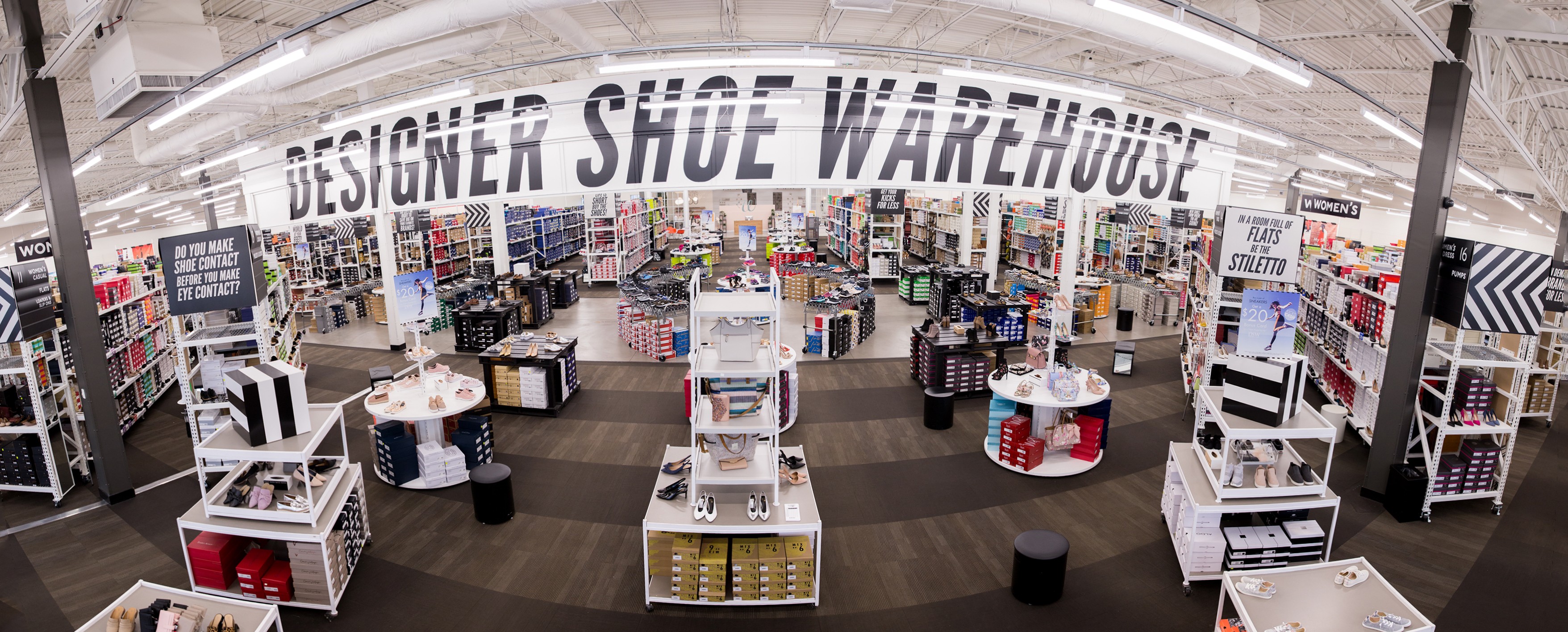
DSW Shoe Warehouse hits back against Warner Music lawsuit: A lesson on social media sync licensing
As Warner Music sues over unlicensed music use, the lawsuit serves as a crucial lesson for brands and creators when it comes to using music in posts.
What’s the lawsuit about?
Back in May, Warner Music Group filed a lawsuit against DSW Shoe Warehouse. The accusation? Using over 200 songs in social media posts without proper licenses. The alleged infringement spans back to posts from 2022, with the music appearing in marketing content shared on platforms like TikTok and Instagram.
This kind of lawsuit isn’t new. Earlier this year, Eminem’s music catalog sued a car dealership in a similar turn of events. The message from music rightsholders is clear: just because a song is trending or available on social media doesn’t mean you can use it to sell shoes (or cars) without permission.
DSW is now pushing back according to CMU, and is asking for confirmation that it hasn’t actually infringed on any copyrights. It argues that it’s just a regular TikTok user like anyone else and that TikTok’s and Instagram’s existing licenses should cover their posts.
The shoe retailer is also now seemingly trying to pre-empt any future claims from Universal Music Group, Sony Music, or BMG- who may follow in WMG’s footsteps.
DSW’s defense
DSW’s argument is that it is just one of the many users that TikTok and Instagram already have licenses in place for, believing that it doesn’t need any sync licenses itself.
Instead, the lawsuit accuses labels of misleading behaviour given that they have “previously encouraged and supported” users to use music in posts. DSW also refers to the free advertising that labels receive from people using their songs in content, arguing that this ultimately boosts sales and streams of the original song.
“The Labels and the platforms never excluded businesses from their prior promises that users of their platforms can incorporate the Labels’ music as part of their posts.”
DSW stated in its filing
What brands and creators need to know
Just because a song is available on TikTok doesn’t mean brands can use it freely. Brands who use audio for commercial purposes have different rules than typical users. TikTok’s current terms state that music can’t be used to “sponsor, promote, co-brand or advertise… unless you have obtained separate permissions and all necessary rights.”
In short: businesses need to acquire a license if they want to use music that promotes their product. Each social media platform may have their own licensing agreement with the music industry, but these only apply to user-generated content.
So, what are the options for doing things the right way?
Brands and agencies can incorporate music into their content legitimately through two main solutions:
- Use platform’s commercial music library: Social media platforms like TikTok often offer specific commercial music libraries that can be used by brands for marketing purposes.
- Get a sync license: Brands can directly obtain permission from record labels and publishers to let them use music in their ad.
Cross-posting can trip you up too though. It’s important to bear in mind that even if you use an approved track on TikTok, that license may not apply on Instagram, YouTube, or elsewhere.

Importance of sync licensing for artists
For artists, sync licensing provides an extra opportunity to make money. Every time a brand wants to use your track in an ad or video, they need your permission and they’re expected to pay for it.
That means more revenue opportunities, beyond just streaming. Sync placements in ads, games, films, or TV shows can also help grow an artist’s audience in ways that traditional promotion can’t.
Not to mention, it also gives artists more control. With the veto right to approve or deny any usage, they get to choose which brands, products, or messages their music supports. That’s crucial if you want to protect your image or avoid unwanted associations.
Get your music on streaming platforms worldwide with RouteNote. Start for free today!