
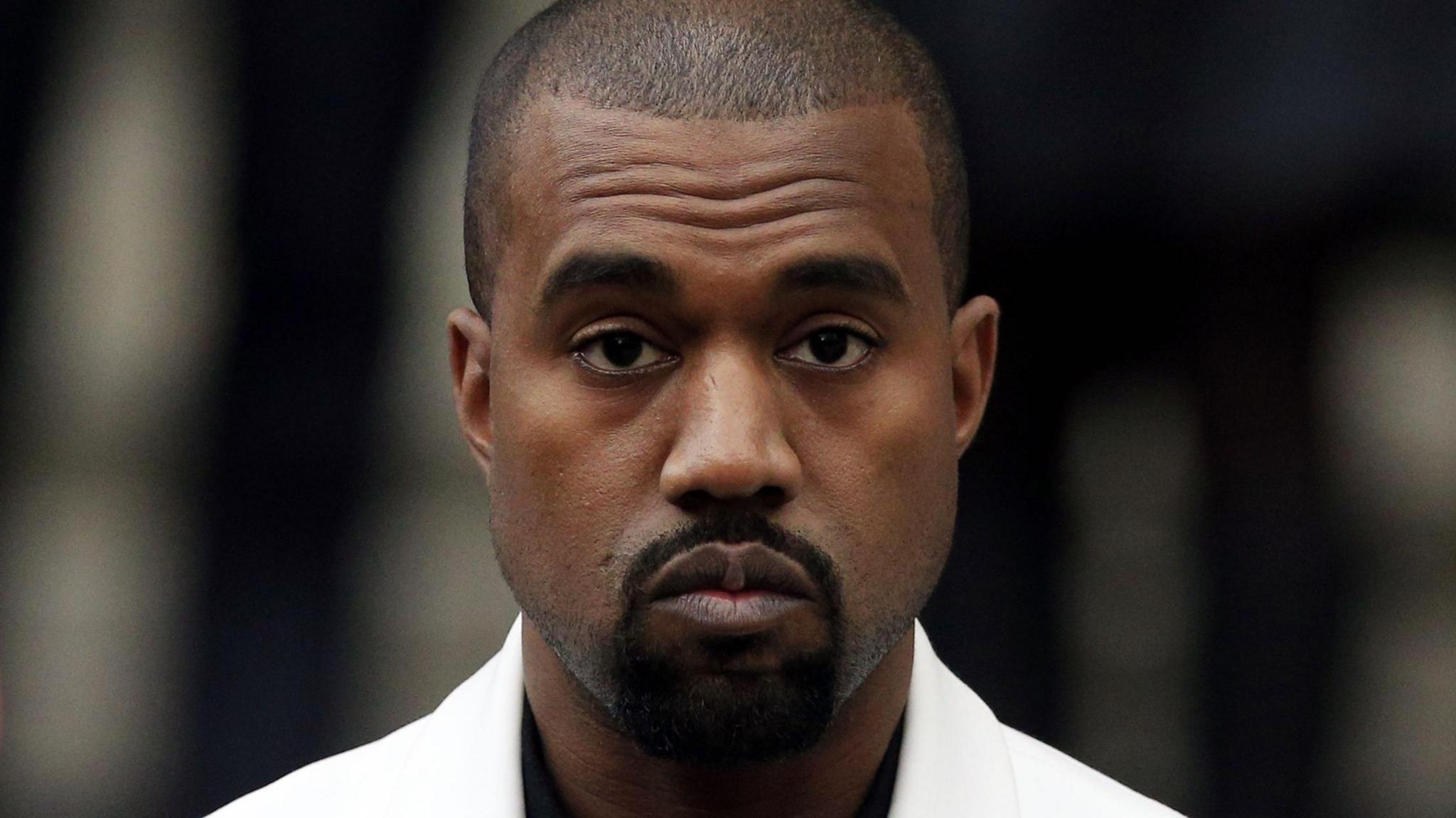
Wireless Festival cancelled after Kanye West refused entry to the UK
Wireless Festival 2026 has been cancelled after Kanye West was refused entry to the UK, here’s what happened and why the decision is causing major controversy.
Wireless Festival 2026 has officially been cancelled after it was confirmed that Kanye West, also known as Ye, has been refused entry to the United Kingdom.
The rapper had been announced as the headline act across all three nights of Wireless Festival, a move that sparked immediate conversation online. While the booking was undeniably huge in terms of cultural impact, it also came with a lot of controversy attached, following several years of public backlash surrounding West’s comments and behaviour.
In recent years, West has faced widespread criticism for antisemitic statements and other inflammatory remarks, which led to brands, collaborators and industry figures distancing themselves from the artist. Reports suggest that the UK Home Office ultimately determined that allowing West into the country would not be “conducive to the public good”, meaning his planned appearance at the London festival could not go ahead.
Because West had been scheduled as the central headliner across the entire weekend, organisers made the decision to cancel the event altogether rather than attempt to restructure the lineup at short notice. Wireless is known for building its identity around major headliners, and replacing such a high-profile act across three nights would have been a significant logistical challenge.
The news has been met with a mixture of disappointment and understanding. Wireless has long been one of the UK’s biggest celebrations of hip-hop, R&B and electronic music, regularly bringing global artists together in London each summer. Many ticket holders had been excited by the scale of the booking, while others had questioned the decision from the moment the lineup was announced.
The situation also highlights the increasingly complicated relationship between artists, public accountability and large-scale live events. Festivals today rely not only on ticket sales, but on sponsorships, partnerships and public perception. When an artist brings significant controversy, the ripple effects can reach far beyond the stage.
While West has previously issued apologies for some of his remarks, public criticism has remained strong, and pressure surrounding the booking continued to build in the weeks leading up to the festival’s cancellation.
At the time of writing, organisers have confirmed that ticket holders will receive refunds, though it is unclear whether a replacement event or alternative lineup will be announced later in the year.
Wireless has been a staple of the UK festival calendar since 2005, helping introduce British audiences to some of the biggest names in contemporary music. This year’s cancellation marks one of the most high-profile disruptions the event has faced in its history, and may influence how promoters approach controversial bookings in the future.
Fans are left wondering what the summer festival landscape will look like without one of its biggest events and whether this situation signals a broader shift in how the music industry balances artistic legacy with public responsibility.