
Oasis merch pop-ups inspire smart merch tips for independent artists
Oasis may have the budget for city-centre pop-up stores, but their merch strategy offers useful lessons for artists selling on a smaller scale.
Oasis’ mega comeback tour may be over, but the band’s opportunity for revenue and merch sales certainly isn’t. As reported by Digital Music News, reps of Oasis have announced two pop-up stores, one in London and the other in Dublin, selling leftover merch, brand-new merch, and offering exclusive experiences. The London store will be open between the 4th and 21st of December, while Dublin’s store at Stephen’s Green Shopping Centre will run from the 5th to the 21st of December.
The stores will include new items such as “hats, flags, scarves, posters and commemorative tickets,” along with merchandise from the tour itself. They are even offering personalisation options “on select days only,” with six dates available in London and three in Dublin. The London shop will also feature a “visual content room” showing fan footage and tour highlights from the 41-show series. What Oasis are doing is turning merch into an experience – not just a product.
For most independent artists, storing stock and renting a physical shop in prime city-centre locations will be far beyond budget. Still, this approach offers important lessons around timing, presentation, and making merchandise feel special. You can take the core ideas and apply them in accessible ways that suit your budget and fanbase.
What can independent artists take from this?
While Oasis have a huge global audience, smaller artists can take a similar approach by timing their merch releases around meaningful moments. Launching merch just after releasing a new song, finishing a tour date, or reaching a milestone can increase interest and boost sales. But rather than a physical store, consider simple and affordable options such as:
- Limited online drops
- A table at a gig or open mic night
- A sale at rehearsal studio rooms or during live sessions
- Including merch links during livestreams and on streaming profiles
Where can you sell your merch?
If you’re wondering how to get started selling your music merch, here are realistic scenarios where independent artists can sell merch without major financial risk.
At live shows
Even if you’re playing a local bar gig, community festival, or supporting another artist, bringing a small foldable merch stand or even a tote bag with you can work. A simple handwritten sign, a QR code for digital payment, and a few well-designed items can be enough.
If you’re performing at open mic nights, ask the organiser if you can set up a tiny table or offer items after your set. These nights attract local audiences who often enjoy finding new artists – this can be a perfect opportunity.
At rehearsal spaces or recording studios
If you use a shared rehearsal studio or independent recording space, ask if you can leave a small merch flyer or even one item on display. This could be as small as a sticker or card with a QR link to your online store.
During livestreams or virtual events
You don’t always need physical space. If you run live Q&As, release parties or acoustic sessions on platforms like TikTok, YouTube or Instagram Live, you can showcase your merch during the livestream. Add a purchase link in the caption or pin it in the chat.
At intimate listening parties
Rather than a shop, host a small album or single listening event at a café, rented space, or even your home (if safe and practical). Bring just a few items – prints, limited-edition merch packs, signed lyric cards – and announce that they are only available at this event. This recreates the idea of exclusivity like Oasis’ short-term shop but without heavy costs.
Through local businesses
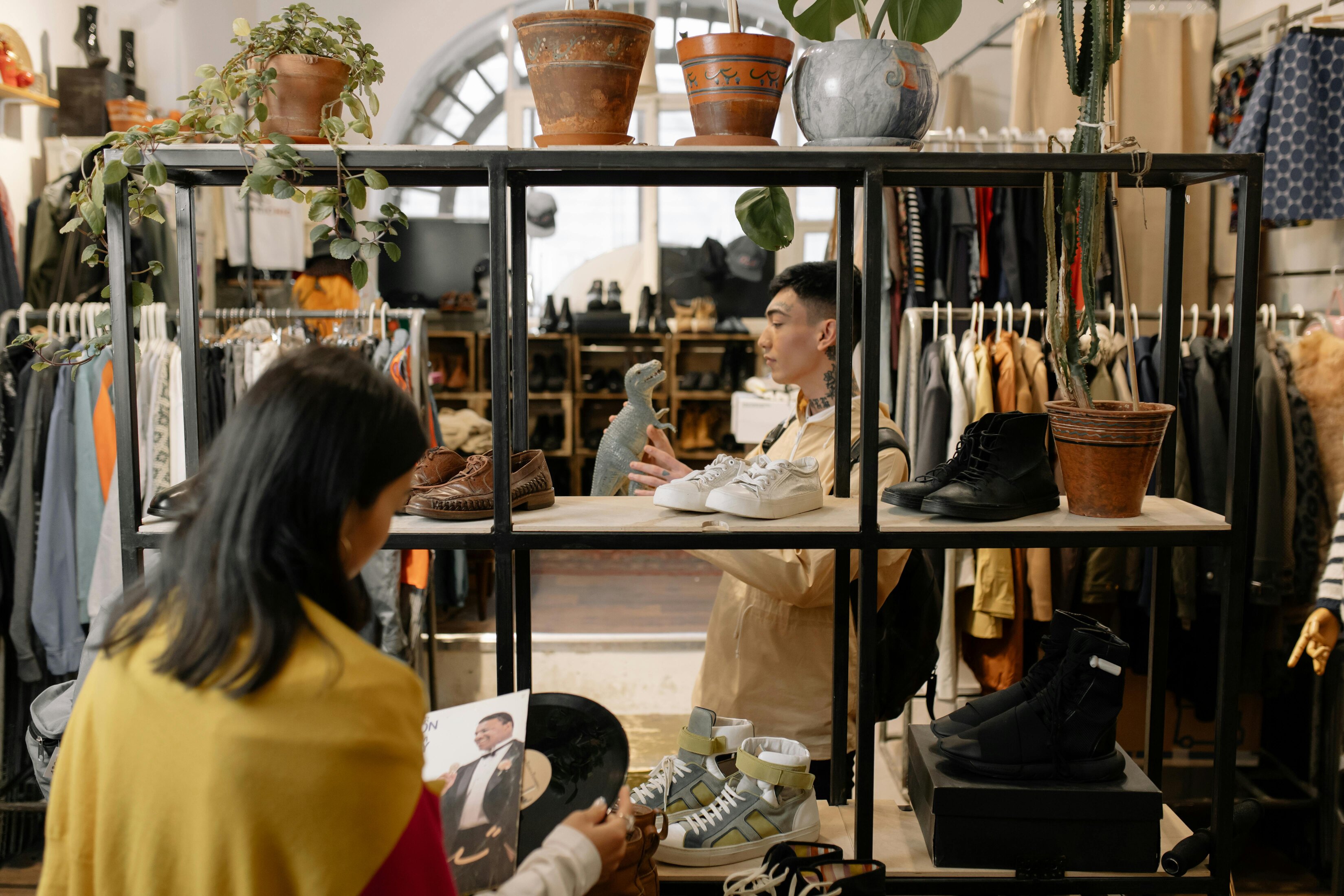
Independent shops such as record stores, cafés, tattoo studios, music gear shops or vintage stores often support local creatives. Ask if they’d showcase one or two items for a small commission. This works particularly well if your branding matches the shop’s aesthetic, so bear this in mind.
On bandcamp, social media, and online drops
Even if your audience is small, creating an online-only merch drop with a countdown timer can build anticipation. Consider announcing something like “only available for 72 hours” or “limited to 25 items” to drive urgency without stock risk.
Top tip: the next Bandcamp Friday is on the 5th of December, where you can sell merch and get pretty much all the revenue directly.
Make it an experience – like Oasis, but scaled down
The timing of Oasis’ pop-up stores is key, straight off the back of a momentous comeback tour. Fans are still excited, revelling in the experience, and the band’s team recognise this as a major selling opportunity.
Oasis’ “visual content room” makes merch-buying feel like part of the tour, letting fans feel like it’s not all over yet. You can do something similar by:
- Including a QR code linking to behind-the-scenes footage
- Writing a handwritten note with each purchase
- Packaging items with short stories about the music
- Preparing small “memory cards” that reflect lyrics or tour moments
These touches cost very little and, if you’re not a 1990’s Mancunian rock legend, likely suit your budget much more nicely. While the cost is low, the emotional and sentimental value is high, and will leave a lasting impact on fans.
Wrapping up
Merch is not just about having something to sell – it’s about making the most of key moments, choosing the right environment, and offering something meaningful. While Oasis can open central city stores and offer customisation, independent artists can apply the same thinking through small touches, online drops, targeted sales at intimate gigs, and collaborations with local spaces.
Start small, be thoughtful, and let your merch reflect your music and your story.