
What are concept albums, and why do they matter for artists today?
Discover how a strong album concept can help your music stand out in a crowded streaming world.
Click below to jump to the following:
- Albums are making a comeback
- What is a concept album?
- Why concept albums matter for independent artists
- How to create a concept album
- How to bring your concept album to life
- Final thoughts
Albums are making a comeback
Albums have largely taken a back seat in recent years thanks to playlists and their increased availability on streaming platforms. But according to Music Ally, that story is starting to shift.
The album format is making somewhat of a resurgence. More artists are embracing full-length projects, paired with deluxe editions, visual content, and extended rollouts. It’s more than just the music, it’s about creating moments around the music too.
Within that shift, one album format stands out more than ever before: the concept album.
Take Charli XCX’s “brat”. It became a full-blown cultural moment. From its instantly recognizable aesthetic to the viral ‘brat summer’ energy, the project proved that when an artist commits to a clear idea, people pay attention.
What is a concept album?
At its core, a concept album is built around a central idea. That idea could be a story, a character, a mood, or even a viewpoint. Whatever it is, it usually serves as the foundation for everything, from the lyrics and production to the visuals and rollout.
Instead of feeling like a collection of fairly unrelated songs, a concept album feels intentional, cohesive, and immersive. Often, it gives listeners a whole world to step into.
Why concept albums matter for independent artists
Concept albums aren’t just for major artists. They can be powerful for independent artists trying to cut through the noise.
It sharpens your creative direction
Having a central theme helps give your project focus. Instead of bouncing between ideas, you’re building around one core idea. While that may appear to limit creativity, it actually helps to channel it. Your ideas may actually become stronger, more connected, and easier to develop as you explore this idea fully.
It makes your music easier to market
A clear concept gives you a clear message. That’s huge when it comes to promotion. Whether you’re pitching to playlists, posting on socials, or reaching out to collaborators, having a defined focus makes your project easier to market to others.
It opens up visual and merch opportunities
Strong concepts can translate into your visuals, your branding, and your merch. If your album has a distinct look or message, you can build your cover art, music videos, clothing and social content around it. If it resonates, fans will want to be a part of it.
It builds long-term impact
Concept albums tend to stick. They give fans something to remember, revisit, and talk about. That emotional and cultural connection can outlast a short-lived viral moment. And for artists, that helps to build a more sustainable career over time.
Just look at albums like David Bowie’s “The Rise and Fall of Ziggy Stardust and the Spiders From Mars”, Pink Floyd’s “The Wall”, or even Kendrick Lamar’s “good kid, m.A.A.d city”. They’re all from different eras with different sounds, but are all driven by strong concepts that still resonate today.
How to create a concept album
You don’t need a huge budget or storyline to get started.
Begin with a simple idea. What are you trying to say? What feeling do you want people to leave with? From there, build outwards:
- Develop themes and moods that support your idea
- Experiment with sounds that match the tone
- Write lyrics that connect back to the core concept
Keeping asking yourself if it fits the world you’re creating? If the answer is yes, you could be on the right track to creating a cohesive masterpiece.
How to bring your concept album to life
Here’s where things can really separate you from the pack. Marketing a concept album can help take your idea up a notch and put it in front of your audience.
Build hype
Don’t just drop your album and that’s it. A strong concept gives you the perfect opportunity to build a rollout. Tease visuals. Introduce ideas early. Let people get an idea of the project before it even drops.
You could even tie this into how you share your music. Using tools like PUSH.fm, you can create smart links, pre-save campaigns, and landing pages to boost engagement with your music from day one.
Identity and cover art matters
If someone scrolls past your content or your cover art, they should instantly recognize it’s your project. That could be a color, theme, or tone of voice. Regardless, it should be something constant that ties everything together. The more recognizable your identity, the easier it is for fans to latch on.
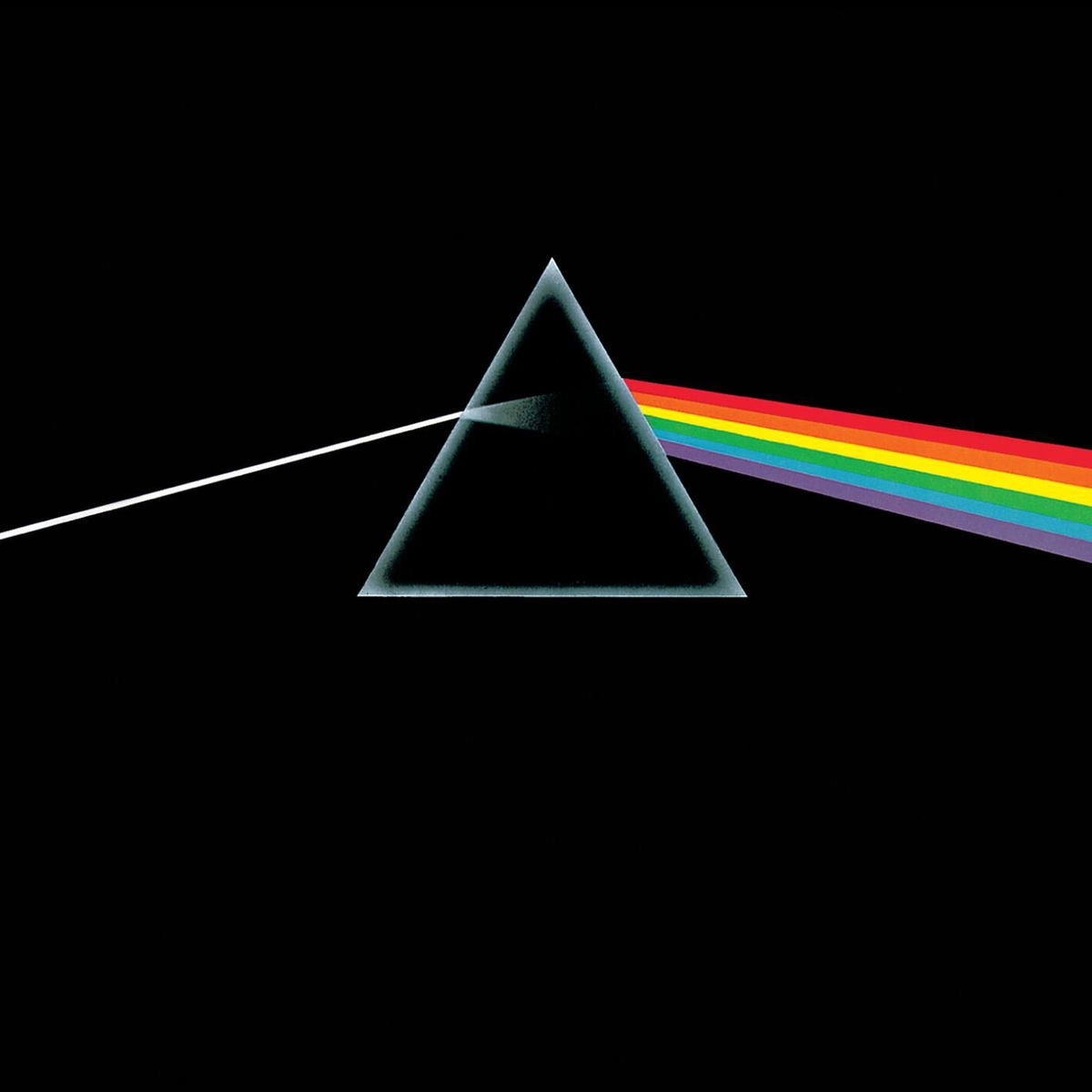
Visuals are the first things fans see, so make them count. Just think of memorable visuals like brat’s distinctive slime green cover album, or even Pink Floyd’s “The Dark Side of the Moon” prism album cover design. They’re album covers that last long in the memory of fans.

Create moments, not just posts
Instead of just promoting your tracks, think about how your concept can show up in ways people want to engage with. That could be a trend, a visual idea, or even a running theme across your content.
Meet fans where they are
Your concept only works if people actually see it. Use social media to promote your album and engage with fans, as you would with any release.
Distribute your music as widely as possible, including across social platforms where discovery happens. With RouteNote, you can get your music onto streaming services and social media libraries worldwide for free- making it easier for your music to reach new audiences.
Keep the world consistent
From your cover art to your captions to your live shows, everything should feel connected. It doesn’t even have to be overcomplicated. But, consistency is what turns a good idea into something memorable.
Final thoughts
In a world dominated by fast releases, AI slop, and short attention spans, concept albums offer something different. They slow things down, create depth, and give people something to become invested in.
For independent artists, that’s powerful for cutting through the noise. By building your music around a clear idea, you’re not just releasing music, you’re building a world for fans to immerse themselves in.
That’s what fans remember and what truly makes your art lasting.