
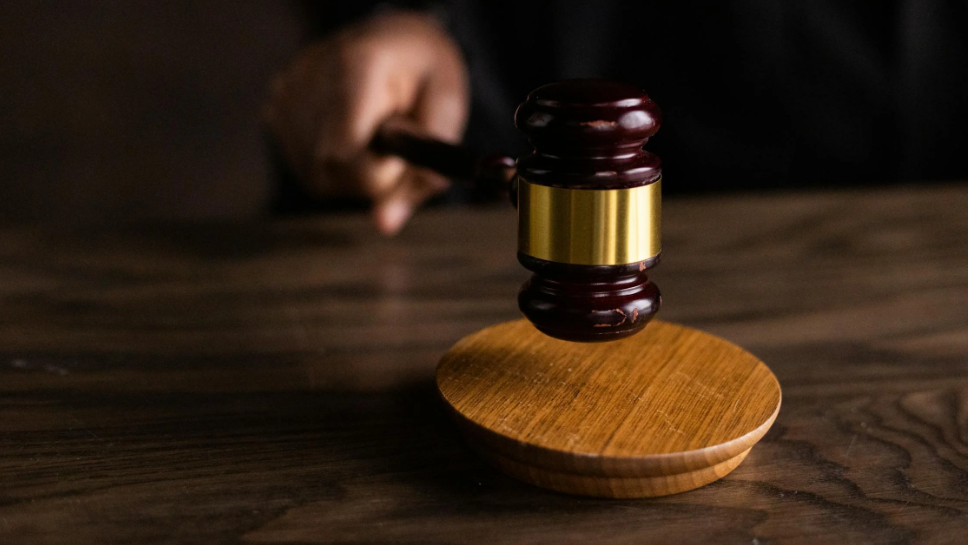
Reintroduced RAP Act would stop lyrics from being used as court evidence
After failing to get through back in 2022, the RAP Act is back to protect artistic expression in the US.
Rap lyrics in the courtroom?
The fight to stop lyrics from being used as legal evidence in US courtrooms is back in the spotlight.
Originally introduced in 2022, the Restoring Artistic Protection (RAP) Act didn’t make it through Congress the first time around. Now, Democratic Representatives Hank Johnson and Sydney Kamlager-Dove are pushing for it again.
The goal? Stop prosecutors from using an artist’s lyrics against them in criminal and civil trials.
The full bill can be read here.
The problem: Fiction treated as fact
“All too often Rap and Hip-Hop artists have been punished for the same kind of hyperbole and imagery other genres routinely use without consequence,” said RIAA President and COO Michele Ballantyne.
This lies at the heart of the issue. Rap lyrics are increasingly being used in court to imply guilt, despite often including fictional storytelling, playful nature, and exaggerated personas. It’s a practice critics say disproportionately targets young Black artists and opposes the First Amendment in the US of a right to freedom of expression. Not to mention, assuming that every lyric an artist writers is a true confession is a dangerous idea in itself.
Representative Johnson summed it up well:
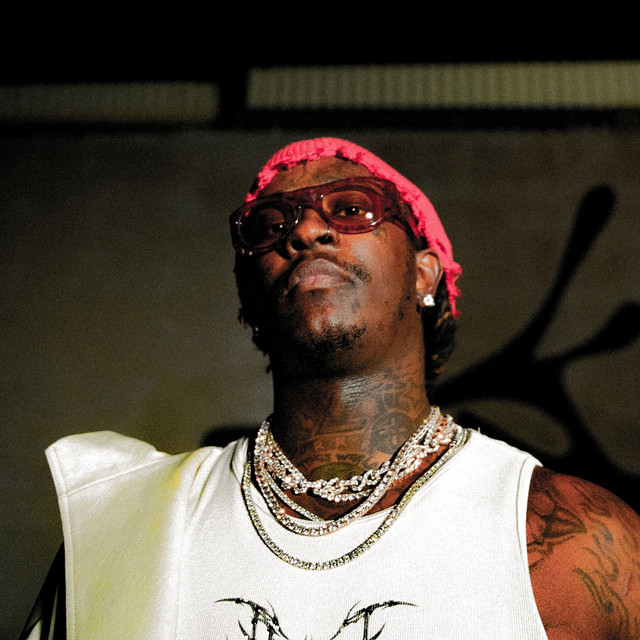
Johnson’s research found at least 820 criminal cases where creative works were cited as evidence. Most recently, this was seen in the case of Jeffrey Williams (more commonly known as Young Thug), where the judge ruled that prosecutors were allowed to use 17 specific lyrics from him and fellow YSL artists in a RICO case. His lawyers slammed the move as “racist and discrimination”.
What would the RAP Act change?
The RAP Act would change the Federal Rules of Evidence to presume that an “artist’s creative or artistic expression” aren’t admissible in court unless the prosecution can meet strict criteria.
Included within this strict criteria, prosecutors would need to prove that the lyrics were meant to be taken literally, not fictionally.
In short, it’ll become a lot harder to use someone’s artistic expression as ammon in the courtroom.
What now?
The RAP Act has plenty of backing. Support comes from industry players like the Recording Academy, RIAA, Universal Music Group, Warner Music Group, and the Black Music Action Coalition.
With high-profile artists and organisations rallying behind it, there’s hope the bill will finally gain enough traction.
The goal isn’t to shield artists from accountability. It’s to make sure creative expression isn’t wrongly used as a confession.
Get your music onto streaming platforms everywhere for free with RouteNote.