
Record labels to boost musicians’ pay after long-standing criticism
The UK government and record labels have agreed to better financially support songwriters and session musicians.
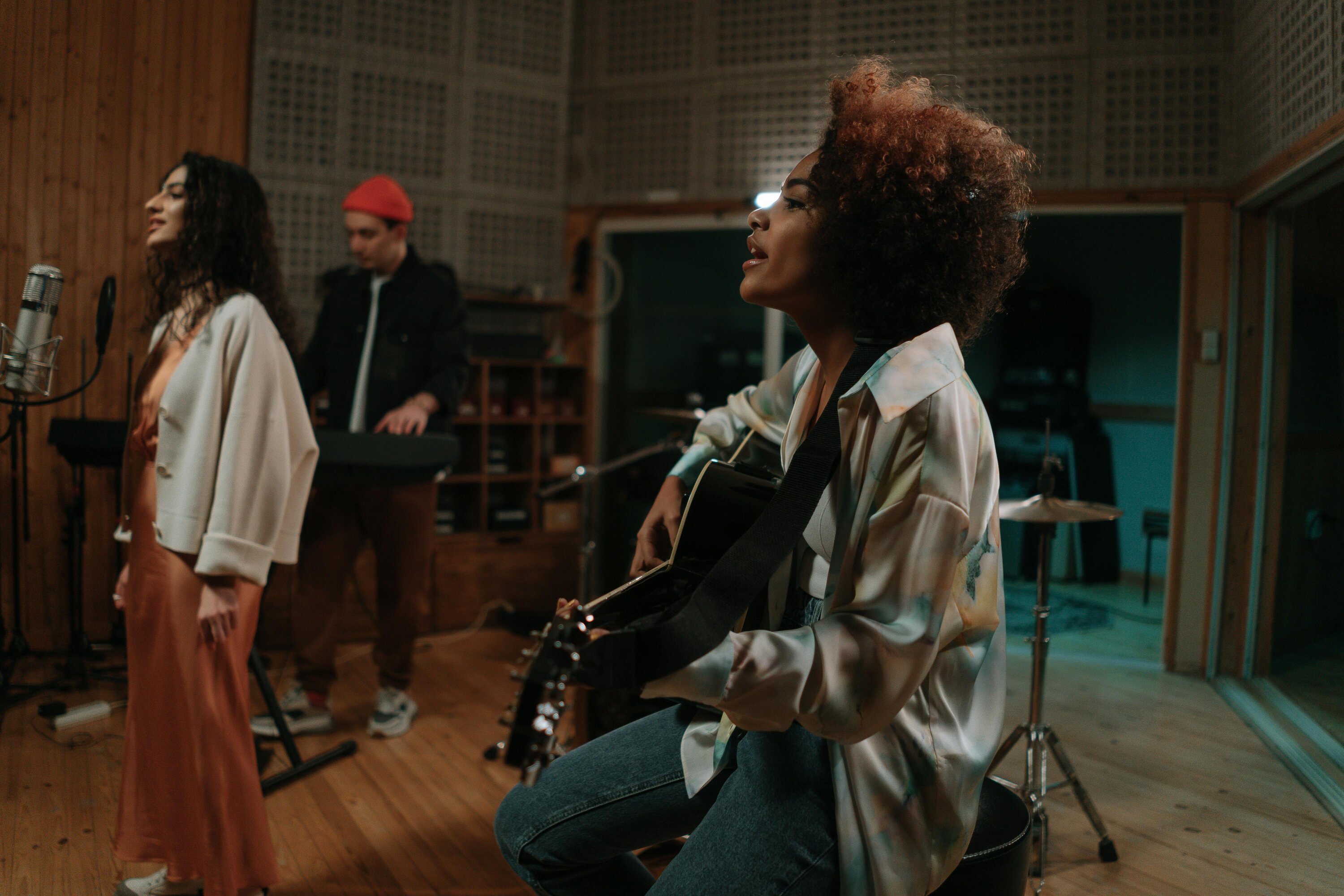
Songwriters and session musicians in the UK are set to see some improvements in pay and remuneration, following a new agreement between record labels and the government. While not a complete fix, the measures mark a positive step toward fairer treatment for music creators in today’s streaming-driven industry.
Announced by Creative Industries Minister Sir Chris Bryant, the deal includes guaranteed daily payments for writers and increased fees for recording musicians – developments welcomed as a step toward addressing long-standing inequalities in the music industry.
From now on, songwriters attending writing sessions or camps organised by labels will receive £75 per day, plus travel and meal expenses. This is a major shift from the previous industry norm, where writers often worked for free, and would not earn revenue unless a track was commercially released and successful. The change follows mounting pressure from artists and organisations, including Raye, who famously called the practice “an insult” during her speech at the 2023 Ivor Novello Awards.
The BBC reports that two of the three major record labels (Warner Music and Universal Music) will implement these “per diems”, while Sony Music has launched a £100,000 fund to support similar initiatives.
Session musicians will also benefit from improved rates. Standard fees for pop sessions will rise from £130 to £182, with orchestral musicians seeing a 15% increase. As CMU outlines, these changes are part of a broader push for fair creator remuneration sparked by the government’s Creator Remuneration Working Group.
Legacy artists with contracts signed before 2000 will also be allowed to renegotiate deals for better streaming payouts. Any outstanding label debts will be written off – a move already adopted by Sony in 2021. These shifts are expected to return “tens of millions of pounds” to music creators by 2030.
However, concerns remain. Many argue that the current streaming model still fails to pay creators fairly. Streaming payouts remain extremely low per play, and policies such as Spotify’s 1,000-stream threshold have been criticised for cutting off income for smaller artists. As the BBC points out, a 2024 report by MIDiA Research revealed that over half of working songwriters earn less than $1,000 a year, largely due to “lack of meaningful streaming income”.
Songwriter Ines Dunn, who has worked with artists like Maisie Peters and Mimi Webb, called the move “a small step in a marathon”, noting that many writers lose money just getting to sessions.
The agreement also includes support for recovering missing tracks from streaming platforms, where accurate metadata is crucial for visibility and payment. At the same time, platforms like Spotify are spotlighting songwriters through tools like the Songwriter Hub, as calls grow louder for fairer credit and recognition.
While the measures are a welcome start, the Musicians’ Union and Council of Music Makers say much more is needed. They’re pushing for minimum royalty rates and copyright reform so creators can eventually reclaim their rights. The government has committed to reviewing progress in a year – and could legislate if change isn’t delivered.
As streaming continues to shape the industry, all eyes will be on whether this new framework leads to real and lasting improvements.
Get the latest music industry news and updates by checking out the RouteNote blog.