
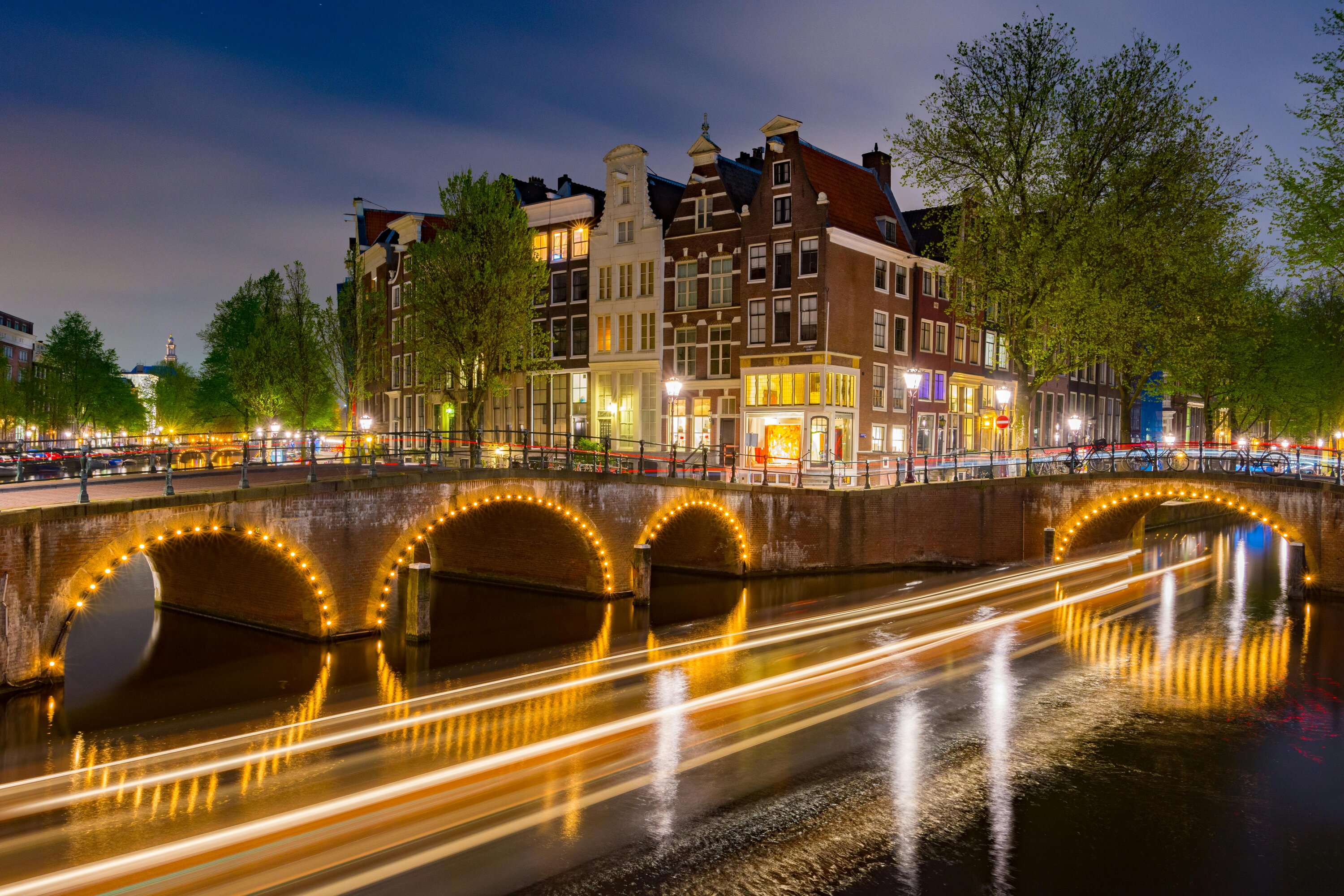
Amsterdam bucks nightlife decline as 90% of residents participated in 2025
A report has shown that Amsterdam’s nightlife saw widespread participation last year, reflecting a shift in night-time culture.
Concerns about the decline of nightlife have become common in recent years. Rising costs, venue closures and changing habits have all put pressure on night-time economies in many cities. However, new research from Amsterdam suggests the story may not be the same everywhere.
As reported by Music Ally, a new study from research institutes VibeLab and PennPraxis, created in collaboration with the Municipality of Amsterdam, found that more than 90% of residents participated in nightlife in 2025. The research, titled Amsterdammers over nachtcultuur, combined expert interviews, focus groups and an online survey with more than 2,000 residents to understand how people engage with nightlife across the city.
Most Amsterdam locals go out to bars, live shows and nightclubs several times a month, as Mixmag notes, which highlights a consistent demand for night-time activities. Festivals also play a role in the city’s culture, though they tend to attract highly engaged visitors who attend less frequently than those going to clubs or bars.
Spending patterns also offer insight into how nightlife functions in the Dutch capital. As Mixmag notes, the average spend on a night out sits between €41 and €60, with younger visitors generally spending less. Much of this spending takes place in Amsterdam’s Centrum and Zuid districts, which remain key nightlife areas.
Accessibility may also contribute to the city’s strong participation rate. Music Ally noting that Amsterdam’s relatively compact layout helps keep travel times short, with 49.4% of residents saying their journey to a venue usually takes between 15 and 30 minutes. Short travel distances make it easier for people to attend events regularly.
Even with high engagement, the study highlights several areas where residents feel nightlife could improve. One of the most common concerns raised was late-night transport. Most public transport services in Amsterdam stop running at 12:30am, leaving only limited night bus services afterwards. Many respondents said extended transport hours would make nights out safer and more accessible.
The report also explored how people would like nightlife to evolve. Mixmag points out that 64.3% of respondents said affordability was important, while 39.7% expressed interest in more diverse nightlife options. There was also support for opening more clubs, alternative spaces and outdoor venues.
The study also found that people are willing to travel for the right events. Around 61% of respondents said they travel beyond their own district for a night out, often following atmosphere, community and programming rather than simply choosing the closest venue. More than a third said they would travel up to an hour to attend an event.
For Mirik Milan, co-founder of VibeLab and former Amsterdam Night Czar, the findings challenge the idea that nightlife is disappearing. “This report shows it’s time to abandon the negative narrative that nightlife is dying,” he said. “Instead, we are witnessing a cultural shift from alcohol-driven nightlife towards curated night culture that is community-based, safe and diverse. The demand for night culture is growing, particularly among younger audiences.”
Cities around the world are increasingly recognising the importance of nightlife to culture and local economies. As Music Ally notes, more than 80 cities globally have introduced “night czars” or similar roles to help support and coordinate nightlife policy.
The UK has also started looking at ways to support its night-time economy. In 2025, the government launched an 11-person Nightlife Taskforce to explore how venues and the wider sector could be supported. This comes as parts of the industry face financial pressure, as well as battles with noise complaints and changes in consumer habits. Policymakers and venues are testing new ideas to keep nightlife sustainable, from discussions about whether new policies could spark a revival for UK music venues to experiments such as the BYOB nightclub trial in Manchester.
Together with the findings from Amsterdam, these developments suggest that while nightlife faces challenges, demand for night culture remains strong and the sector may simply be evolving rather than disappearing.