
Teenage Engineering unveils its first CD player with the EP/BC–1
Teenage Engineering brings CDs into the modern era with the EP/BC–1, a portable CD player featuring Bluetooth, Auracast, varispeed playback and creative tools for musicians and producers.
Teenage Engineering has unveiled its first-ever CD player, the EP/BC–1, combining the nostalgia of physical music formats with features designed for modern listening, music production and performance.
The new player is the first product in the Swedish company’s broadcast series, which aims to bring classic audio formats into contemporary setups. Rather than simply revisiting an old format, Teenage Engineering has equipped the EP/BC–1 with playback controls, wireless connectivity and audio tools that give CDs a few new possibilities.
An unconventional take on the classic CD player
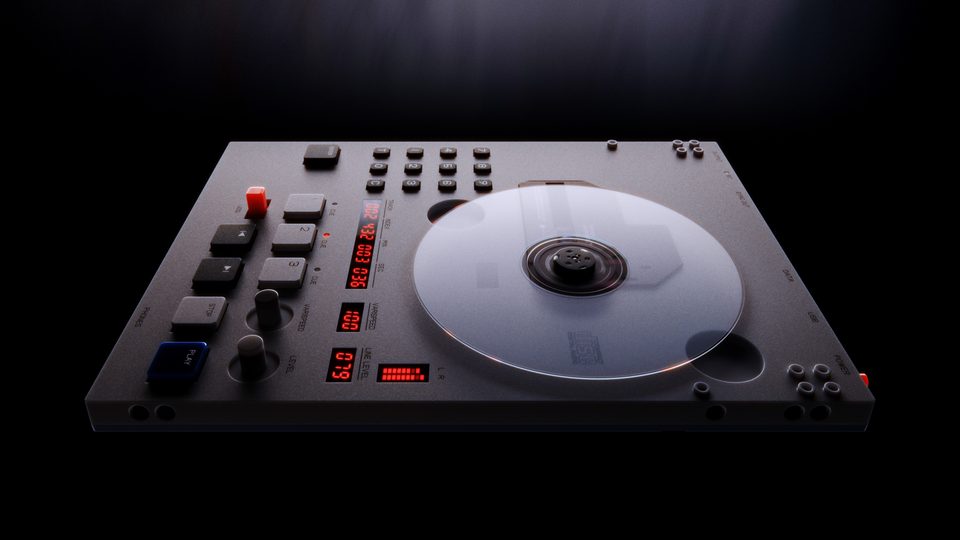
The EP/BC–1 immediately stands out thanks to its unusual design. Instead of hiding the disc inside a traditional CD tray, Teenage Engineering has left it exposed, allowing listeners to watch it spin during playback.
The slimline unit features a series of retro-inspired digital displays showing track, index and time information, alongside digital VU meters for monitoring audio levels.
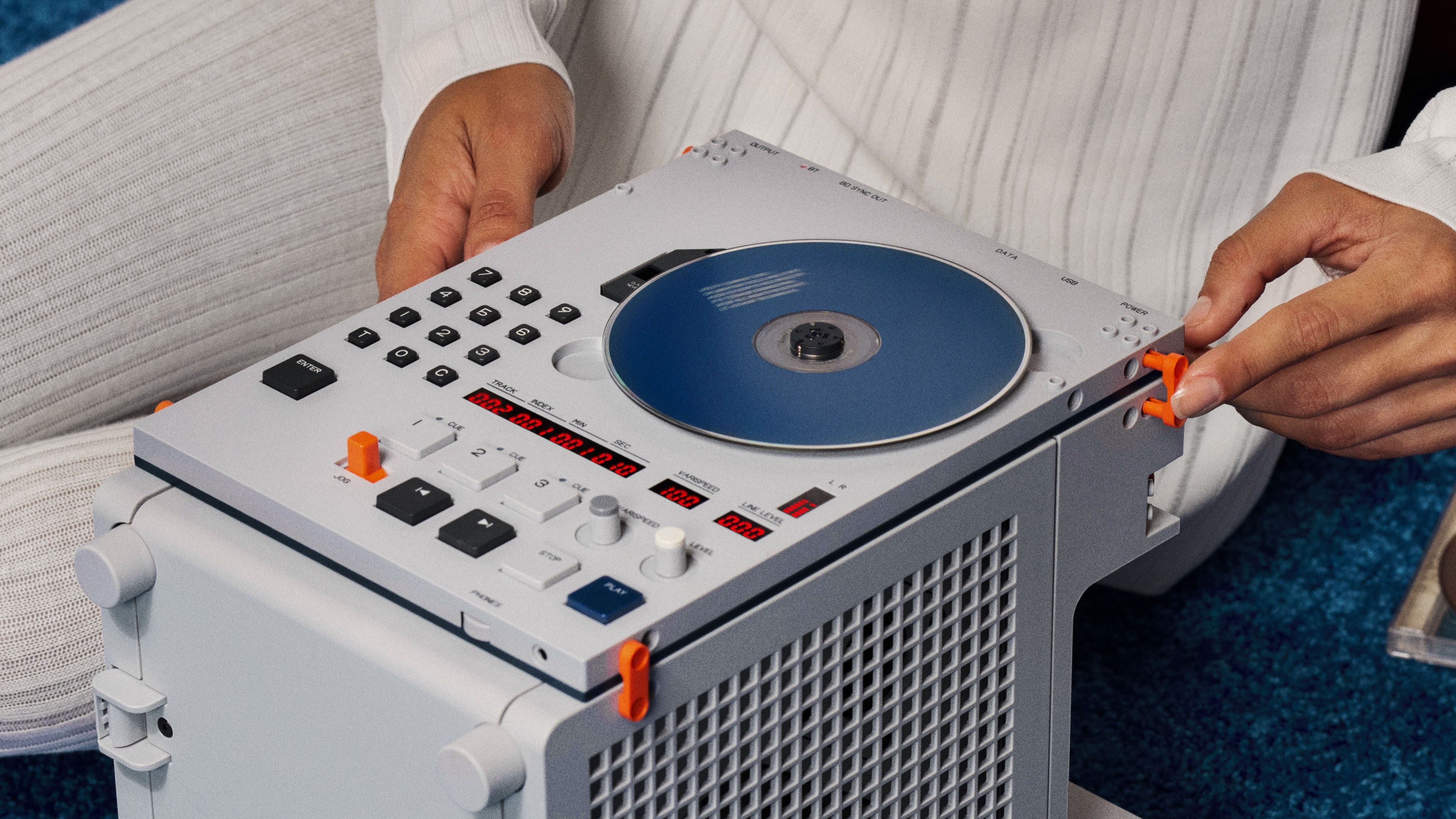
It also shares its dimensions with Teenage Engineering’s K.O. II synthesiser, making it compatible with the company’s wider EP ecosystem. The player can be mounted onto the K.O.–AMP 35 to create a compact playback setup.
However, there’s more to the EP/BC–1 than its distinctive appearance.
Creative playback controls and production features
One of the most interesting features is its varispeed control, which lets users adjust playback speed between 50% and 150%. This allows musicians to slow down recordings, speed them up or experiment with different playback rates.
Time-stretching is also included, allowing playback speed to change while maintaining the original pitch. This could be particularly useful for studying arrangements, exploring samples or experimenting with different creative ideas.
For more hands-on control, the EP/BC–1 includes three cue markers, a jog wheel for forward and reverse searching, and a numerical keypad for selecting tracks. Built-in beat detection can also identify a track’s tempo and send synchronisation signals to compatible music equipment.
These features give the player potential applications beyond everyday listening, particularly for producers, DJs and musicians interested in working with samples and physical media.
Bluetooth, Auracast and USB connectivity
Despite its retro format, the EP/BC–1 offers several modern connectivity options.
Bluetooth allows users to stream audio wirelessly to compatible headphones and speakers, while Auracast enables broadcasting to multiple compatible devices simultaneously. This could be useful for sharing playback across a listening space without needing separate wired connections.
For more traditional setups, there’s a stereo line output and a dedicated headphone output. USB 2.0 connectivity also provides a digital audio connection, while a separate USB storage function allows users to rip CD tracks directly to a drive as 44.1kHz/16-bit WAV files.
The player supports standard audio CDs and discs containing MP3 files, making it compatible with more than just traditional album releases. It also includes a rechargeable battery, offering up to six hours of playback according to the manufacturer’s specifications.
Bringing physical music formats into modern workflows
The EP/BC–1 arrives as interest in physical music formats continues to find new audiences. While streaming remains central to how many people discover and consume music, CDs offer something different: a tangible collection, ownership of a physical release and an alternative way to experience music.
For musicians and producers, the appeal goes beyond nostalgia. Being able to manipulate playback speed, cue specific sections, synchronise equipment and transfer recordings into WAV files gives the CD player a more practical role in creative workflows.
Pricing and availability
The Teenage Engineering EP/BC–1 is priced at $329 and is available through the company’s online store and on Amazon.
With its combination of physical media playback, production-friendly controls and modern connectivity, the EP/BC–1 is an unusual addition to the company’s hardware lineup. It won’t replace a dedicated CD deck for everyone, but it offers an interesting alternative for collectors, DJs, producers and creators who want to bring their CD collections into contemporary music setups.