
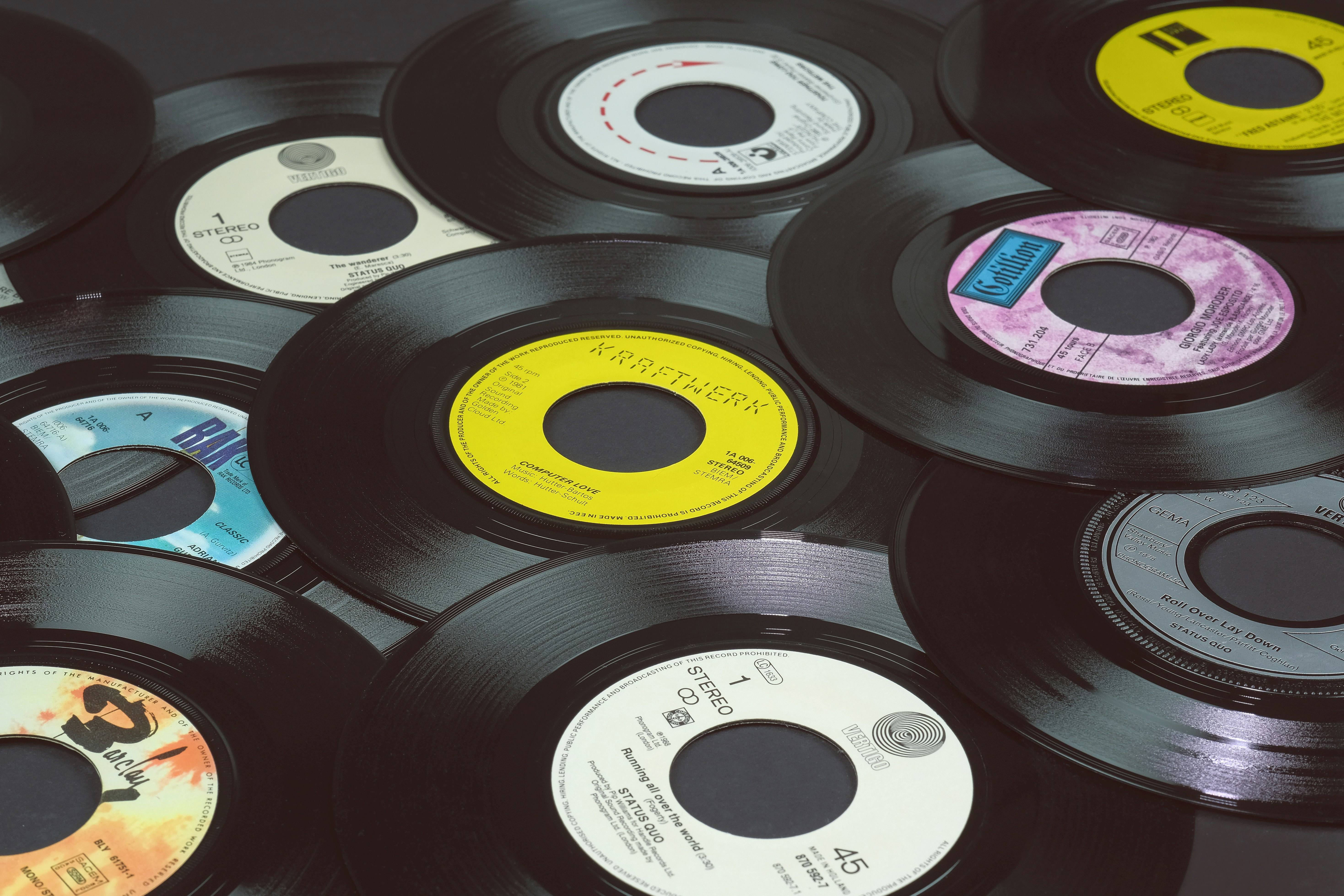
Why vinyl albums are becoming different from their digital versions
Vinyl is booming, but some fans are finding that the record they pre-ordered isn’t quite the same album they hear on streaming. Here’s why the gap between physical and digital releases is growing.
Vinyl has gone from a supposedly outdated format to one of the music industry’s biggest physical success stories. But as more artists rush to get their albums onto wax, a strange problem is emerging: the vinyl version isn’t always the same as the digital one.
Recent releases from artists including Charli xcx, Olivia Rodrigo and RAYE have drawn attention after fans discovered that their vinyl records contained different mixes, edits, missing sections or, in some cases, fewer songs than the versions available on streaming services.
As fans receive vinyls that are different to what’s on streaming, it’s raising awkward questions for artists and labels. And the problem is increasingly complicated when physical and digital releases operate on very different timelines.
Vinyl is still growing
First, it’s worth remembering why this is happening in the first place. Vinyl is having a serious moment. According to the BPI, UK vinyl LP sales reached 7.6 million units in 2025, growing 13.3% year-on-year and marking the format’s 18th consecutive year of growth. Total vinyl revenues reached £174.7 million too, its highest level in more than three decades.
And this isn’t just a major-label phenomenon. For artists, vinyl can offer something streaming can’t: a physical product that fans can collect, display and associate with a particular era of their career.
So why, then, are some vinyl releases arriving with music that sounds noticeably different from the version on Spotify, Apple Music and other streaming services?
The problem starts months before release day
The main issue is timing. Digital distribution is comparatively flexible. An artist can finish a track, deliver the correct master and have it processed for streaming platforms relatively quickly.
Physical manufacturing is a different beast. As The Guardian reports, vinyl pressing plants generally need audio masters and artwork at least six weeks before a planned release, with more elaborate packaging and multiple variants potentially requiring even longer lead times.
That means an album being pressed onto vinyl today may not actually be the final version of the album that listeners hear when it eventually arrives on streaming. And modern album campaigns aren’t exactly known for being finished months in advance.
Artists might still be tweaking mixes, adding features, changing tracklists, recording new songs or making last-minute creative decisions right up until release day.
That’s fine for a digital release. Once a record has been manufactured, though, there’s no easy way to go back and change it.
Charli xcx, Olivia Rodrigo and RAYE have all highlighted the issue
The problem has recently become particularly noticeable across several major pop releases, as The Guardian points out.
Charli xcx’s Music, Fashion, Film, for example, features a collaboration with filmmaker David Cronenberg on its closing track, No One Lasts Forever. However, the spoken-word contribution from Cronenberg appears on the streaming version but not the vinyl edition.
Charli explained on the Tape Notes podcast that the vinyl audio had to be delivered before Cronenberg’s contribution was ready, meaning a different version of the song ended up being pressed.
Olivia Rodrigo’s You Seem Pretty Sad for a Girl So in Love has faced similar scrutiny. Fans reported differences across multiple tracks on its vinyl editions, including missing bridges, outros and other musical sections.
RAYE’s second album, This Album May Contain Hope, also arrived on vinyl with versions of some songs that differed from the final digital mixes. RAYE apologised to fans and acknowledged that the digital versions of some tracks were quite different.
There are plenty of other examples too.
In some cases, shorter physical editions may simply be a practical decision. Vinyl has limited capacity, and fitting a longer album onto one record can mean moving to a more expensive double or triple-LP package.
But when fans have pre-ordered an album expecting the complete version, discovering something different when the record finally arrives can understandably be frustrating.
Vinyl’s manufacturing schedule is colliding with modern music releases
This is where the story gets particularly interesting. The Guardian suggests that physical manufacturing deadlines may now be influencing the creative process itself.
Rather than finishing an album and then manufacturing it, artists can find themselves having to lock in a version of the album months before release, while continuing to work on the music afterwards.
That creates two different finish lines. There’s the version that needs to be sent to the pressing plant. Then there’s the version that eventually goes live on streaming.
And because digital music can be updated relatively easily, the second version can continue to change long after the first one has been permanently pressed into vinyl.
We’ve already become accustomed to albums changing digitally. Artists can replace mixes, correct mistakes, add tracks or release deluxe editions without physically recalling every copy already sold.
Vinyl doesn’t work like that. Once those records are pressed, they’re a snapshot of where the album was at that particular point in time.
Could different vinyl versions actually become part of the appeal?
There is another side to this too. For collectors, having an early version of an album that differs from the eventual digital release could potentially make a record more interesting. RAYE even suggested that her earlier vinyl version could eventually become something of a collectible.
But there’s an important distinction between a deliberately advertised alternate version and a difference that buyers only discover after spending their money.
A vinyl edition labelled as a “first pressing”, alternate mix or exclusive physical version gives fans the information they need to decide whether they want it. An album advertised as the full-length release that turns out to be missing material is a different proposition.
That transparency could become increasingly important as artists release more and more physical variants.
What does this mean for independent artists?
For independent musicians and labels, this is less about copying what major pop stars are doing and more about understanding the practicalities of releasing physical music.
If you’re planning a vinyl release, don’t treat manufacturing as something you can sort out once the album is finished.The production schedule needs to be part of the release plan from the beginning.
That means:
Plan your vinyl timeline early. Find out how far in advance your chosen manufacturer needs masters, artwork and other materials.
Don’t leave your final master until the last minute. If you’re still making substantial changes after sending your audio to the pressing plant, your physical and digital versions may end up diverging.
Be clear about differences. If your vinyl contains an alternate mix, shortened version or different tracklist, tell fans before they buy it.
Think carefully about variants. Limited colours and special editions can make a physical release more exciting, but they also add manufacturing complexity and cost.
Keep your digital release flexible. Even if your vinyl is locked months in advance, make sure the final digital master is correctly delivered to your streaming platforms.
For independent artists, that last point is particularly important. You don’t necessarily need to choose between physical and digital music. Vinyl can be part of a wider release strategy, while digital distribution gives your music a much broader and more flexible route to listeners.
Vinyl isn’t going away
Despite the recent criticism, there’s little evidence that vinyl’s popularity is disappearing.
Sales are booming, while new manufacturing technology and on-demand services are also making physical releases more accessible to artists who couldn’t previously afford large pressing runs.
But the resurgence comes with a challenge.
Streaming has trained the industry to expect flexibility. Albums can be edited, updated, expanded and delivered to listeners almost instantly. Vinyl is the opposite: once the needle hits the record, that’s the version you’ve made.
Neither approach is necessarily better. They’re simply very different.
For artists and labels, the trick is making sure those two worlds work together rather than accidentally working against each other.
If you’re planning a vinyl release, treat the pressing deadline as part of the creative timeline, not an afterthought. And if your physical release is going to differ from the version on streaming, make that clear to your fans.
After all, vinyl is valuable partly because it’s something fans can hold onto. It should feel like a special piece of an artist’s story, not a disappointing surprise waiting inside the packaging.
And while you’re planning your physical release, don’t forget about the other side of the campaign. Distributing your final digital release across streaming platforms gives fans an easy way to listen wherever they are, while physical formats can give your biggest supporters something tangible to keep.
With RouteNote, you can distribute your music to major streaming platforms for free, giving your release a digital home alongside your physical strategy.
Distribute your music to streaming platforms worldwide for free with RouteNote today.