
Meta expands its AI-powered Vibes video feed to Europe
Meta has rolled out its not-wholly-popular AI-driven video experiment to Europe.
Meta has launched its AI-generated video feed Vibes across Europe, just weeks after its debut in the United States. The feed, built into the Meta AI app, presents endless short-form videos – all created by AI. Imagine scrolling through TikTok or Reels, except every clip you see has been generated, not filmed. Sounds great, right?
The expansion shows that Meta is seriously swimming against the current, since other major platforms are vowing to tackle AI slop and the various issues that arise with AI-generated content.
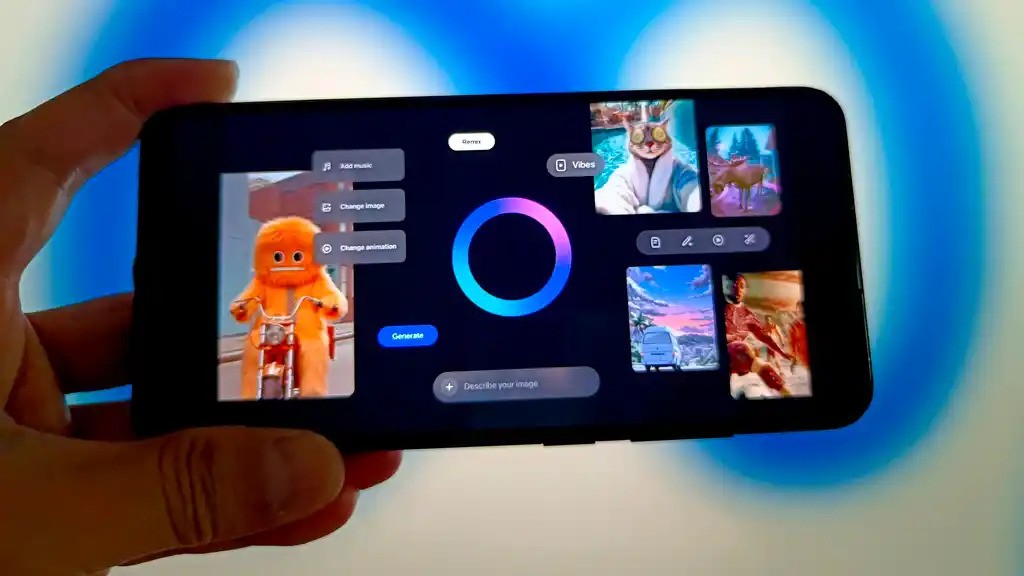
Unlike traditional social media feeds, Vibes is powered entirely by prompts and machine learning. Users can type a description, select a visual style, and generate a video in seconds. You can also take another user’s video and remix it – adjusting visuals, adding sound, or layering new effects to make it your own.
Meta says this system is designed to encourage collaboration, describing Vibes as “an inherently social and collaborative creation experience, where you’re encouraged to remix, co-create, and build stories together with friends.” Finished videos can then be shared within the Vibes feed or posted to Instagram and Facebook Stories and Reels.
The feed learns as you use it, becoming more personalised over time based on what you watch, create, and share.
When CEO Mark Zuckerberg first revealed Vibes in September, the internet’s response was swift – and far from positive, as TechCrunch shares. Under his announcement post, users left comments such as: “gang nobody wants this,” and “Bro’s posting ai slop on his own app.” Another simply said, “I think I speak for everyone when I say: What…?”
What makes Vibes particularly surprising is how it contrasts with Meta’s previous statements. Earlier this year, the company said it wanted to reduce “unoriginal” content, encouraging users to focus on authentic, human storytelling.
While Meta continues to embrace AI-generated content, others in the industry are moving in the opposite direction. YouTube, for instance, has introduced new measures and features to limit and label AI-made videos, aiming to protect its platform from being overrun by synthetic content. These include its AI likeness detection tool. However, confusingly, YouTube has also rolled out AI-powered features to help with content generation, like its AI-powered clip generation tool for Shorts. The difference is, it hasn’t just done away with human content creation altogether.
Meta’s move signals that it firmly believes AI creation will be central to the future of digital expression – even if users aren’t yet convinced.