
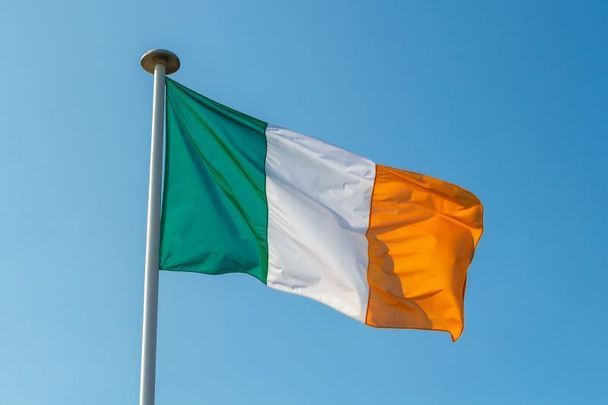
Ireland confirms permanent basic income for Artists
Ireland’s groundbreaking artist income scheme is here to stay. Find out how it works and what comes next.
Ireland has said they aim to make its Basic Income for the Arts scheme permanent, which is good news for creative workers in the country. Announced as part of Budget 2026, the government confirmed that the program will continue beyond its pilot phase, with new participants invited to apply from September 2026.
The scheme, first launched in 2022, provides artists and creative professionals with €325 per week, offering financial stability in an industry often defined by uncertainty. Around 2,000 artists were randomly selected to take part in the pilot, provided they met eligibility criteria, and early results have shown overwhelmingly positive outcomes. Participants reported that the income allowed them to focus more on their craft, reduce financial stress, and improve their overall wellbeing.
Cultural advocates and political parties such as Labour and the Green Party have long called for the initiative to become a permanent fixture, describing it as both a lifeline for individual artists and an investment in Ireland’s cultural ecosystem. According to the Green Party, making the scheme permanent is “not just about helping artists survive, it’s about helping Irish culture thrive.”
While Budget 2026 confirms the program’s continuation, several details are still being finalised. It has not yet been clarified whether existing recipients will be automatically enrolled in the permanent scheme or if they will need to reapply. There are also discussions about refining eligibility to ensure a wider range of art forms are represented, following feedback from creatives who felt left out during the pilot phase. Questions remain, too, about how the scheme will interact with other social welfare supports, particularly for artists with disabilities or caregiving responsibilities.
The government is expected to open applications for new entrants in September 2026, potentially expanding the program to 2,200 recipients depending on budget capacity. The Department of Tourism, Culture, Arts, Gaeltacht, Sport and Media has said it will publish clear details about eligibility and application processes in the coming months.
For now, Ireland’s decision positions it as one of the few countries in the world to formally recognise and support the arts as an essential profession worthy of basic income security. The pilot scheme has already demonstrated the effect such support can have on creativity, productivity, and artist wellbeing. If successfully scaled, Ireland’s model could become a blueprint for how nations invest in their cultural future.