
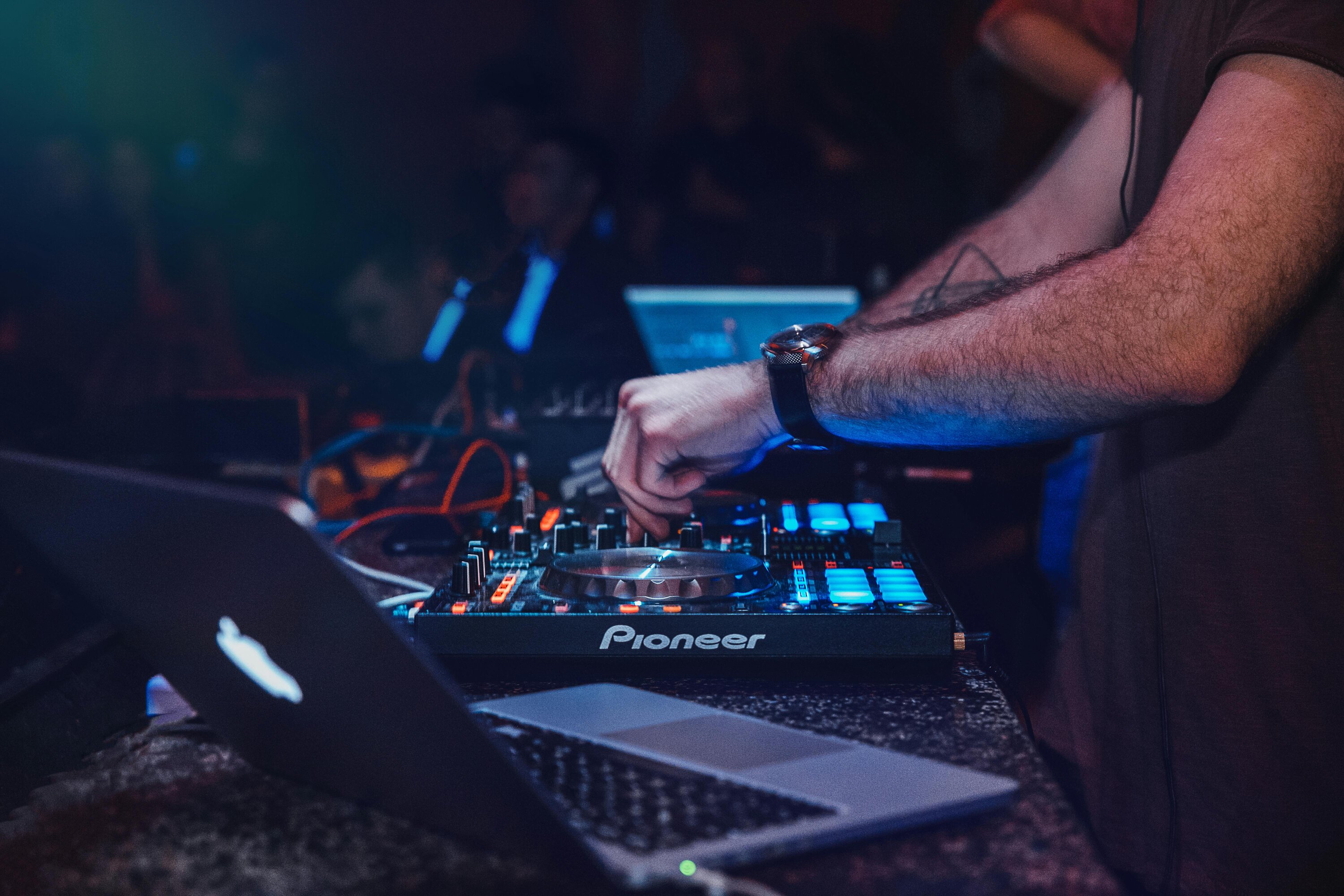
Could BYOB nightclubs offer a lifeline for the late-night UK music scene?
A Manchester nightclub is trialling a new model that could help keep UK clubs open.
UK nightclubs are facing a crisis, with closures happening at an alarming rate and many venues struggling to survive. One Manchester club, XLR, is trying an unusual approach to keep doors open: letting clubbers bring their own booze. Early results suggest this model could not only make nights out more affordable and safer, but also provide a crucial lifeline for live music and emerging artists.
It’s not just independent gig venues that are under threat, UK nightclubs have been under pressure for years too. A recent article from The Guardian highlighted stats from the Night Time Industries Association (NTIA); three venues a week have closed over the past few months, with seven in ten struggling to make a profit.
Rising costs, falling attendance, and changing drinking habits have left many clubs on the brink. The impact extends beyond the economy – fewer venues mean fewer opportunities for live music, DJ sets, and emerging artists to reach audiences. The closure of venues, including major chains like Rekom UK, continues to limit spaces for artists to perform and audiences to connect. UK nightlife challenges highlight how widespread these closures have been.
Amid this crisis, Manchester nightclub XLR is trialling a new approach, as reported by The Guardian, which attended its opening night. XLR allows customers to bring their own drinks, with an advised limit of eight cans or a single 75cl bottle of spirit per person. Drinks are stored on numbered shelves behind the bar and collected/poured on request. Tickets are priced between £10–£15, slightly higher than usual, but the BYOB system allows attendees to avoid expensive club drinks. Owner Chris Hindle explained, “Some clubs are charging £5 for a ticket, you get to the bar and it’s £12 for a double… By raising ticket prices to £10-£15 but allowing BYOB, he aims to incentivise students to come out, knowing they can then drink at supermarket prices.”
The Guardian’s first-hand observations show that the approach has created a more social and safer environment, with reduced intoxication and fewer risks of drink-spiking. Club-goer Amelie said: “People know they can bring their drinks in, screw their own lids on and you own your own drinks. You know what’s in them.”
For the music industry, the potential benefits are significant. Smaller venues like XLR are essential stages for independent musicians, DJs, and live performers, particularly in student-heavy areas. By finding sustainable ways to operate, clubs can continue to support local artists and provide spaces for new music to reach audiences.
Some challenges remain, such as dealing with leftover drinks due to licensing restrictions, but early results appear promising. Hindle told The Guardian, “Nobody’s brought anything too stupid, nobody’s turned up with a full crate. It’s going really well.”
Innovative models like BYOB clubs may help the UK nightlife sector adapt, ensuring that venues stay open and live music continues to thrive. For musicians and fans alike, these spaces remain a vital part of the cultural ecosystem.