
Taylor Swift and Charli XCX drive record music tourism in the UK in 2024
UK music tourism hit a new high last year thanks to global stars and arena tours.
A new report from UK Music has revealed that 2024 was a huge year for music tourism in the UK. A record-breaking 23.5 million people travelled to see live music events across the country last year, spending a total of £10 billion. This is a significant rise from 2023, when there were 19.2 million music tourists who spent £8 billion.
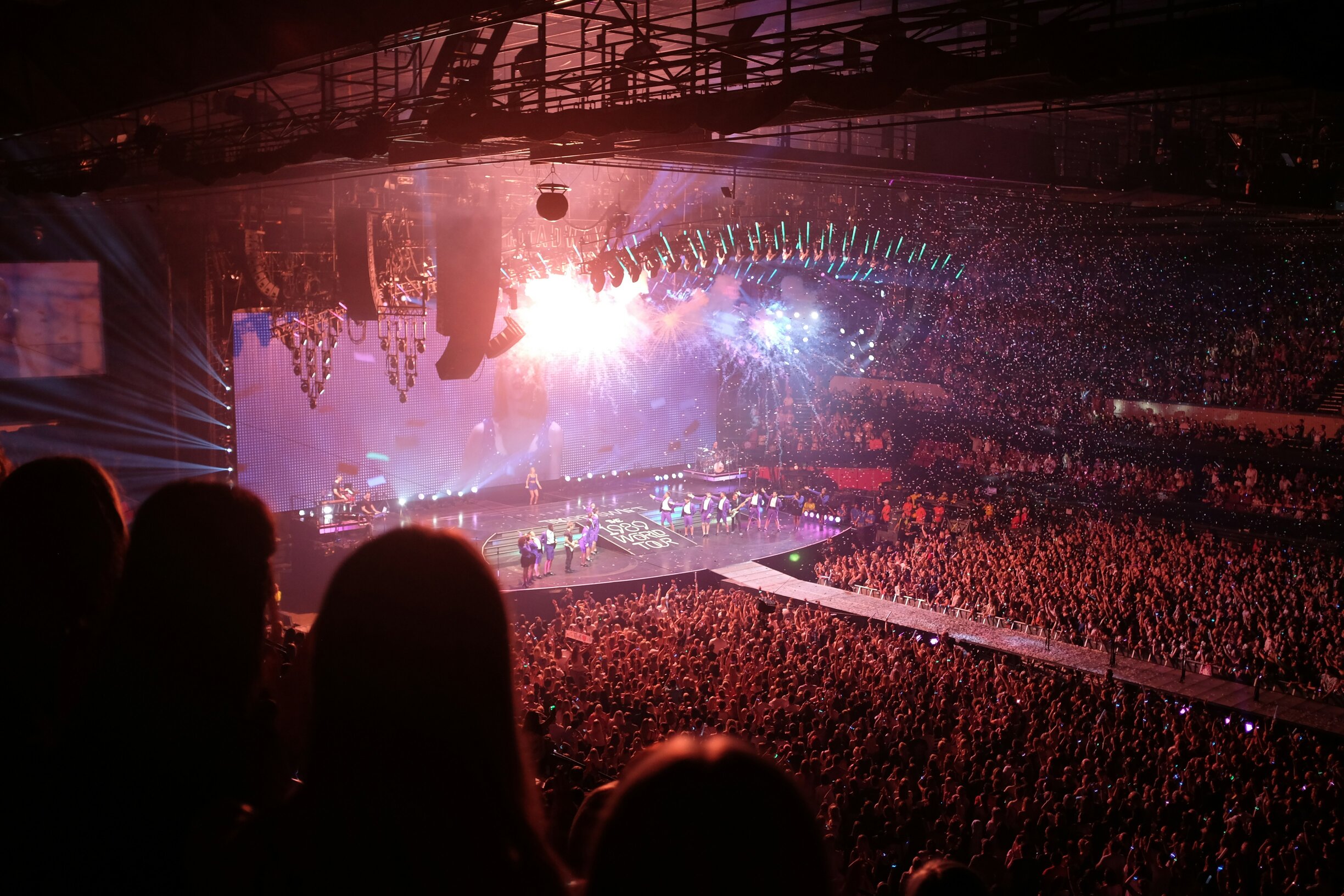
Major artists were a big part of this growth. Taylor Swift’s Eras Tour was named as one of the main reasons for the rise in tourism, attracting large numbers of overseas fans to the UK. Charli XCX also played a big part after stepping up to arena shows for the first time following the release of her album BRAT. Other popular acts who drew in crowds included Sam Fender, Olivia Rodrigo, Chappell Roan, Girls Aloud, The Killers, Doja Cat, Foo Fighters, Burna Boy and Bruce Springsteen.
Festivals like Glastonbury, Download and Boardmasters were also named in the ‘Hometown Glory’ report as key attractions for music tourists, with many of them travelling from both within the UK and overseas. Of the 23.5 million visitors, 21.9 million were from the UK and 1.6 million were from other countries. That’s a 21% rise in domestic visitors and a 62% increase in overseas fans compared to 2023.
UK Music says the money was spent directly and indirectly. Around £5.1 billion went on things like tickets, accommodation, food, drink and travel. The remaining £4.9 billion was spent in the wider supply chain – things like equipment hire, security, and spending in local shops and restaurants.
Live music also supported 72,000 full-time equivalent jobs in 2024, up from 62,000 (16%) in 2023. These jobs form part of a wider music ecosystem that includes venues, studios, music businesses and more.
UK Music’s CEO Tom Kiehl said: “In 2024, our fantastic UK music industry pulled in 23.5 million music tourists who spent £10 billion to see their favourite acts and performers right across the UK.” He added that while the figures are encouraging, the industry is still facing serious challenges, including the high cost of touring and threats to small venues and studios.
To help local areas support their music scenes, UK Music launched the ‘Local Music Action Charter’. This aims to give advice to local governments on licensing, planning, and education to help live music continue to grow. Kiehl said the charter will help “local music industries to truly fulfil their potential”.
Councillor Liz Green of the Local Government Association said: “These record-breaking figures show just how important live music is – not just for our local economies, but for the happiness of our communities.”
The report also highlights public attitudes towards live music. A survey commissioned by UK Music found that 42% of adults say it’s important to have music events nearby. Many respondents also said they wanted their councils to better support local music, and that music spaces should be used to revitalise high streets.
This data shows how valuable live music is – not just to the economy, but to everyday life across the UK. For musicians and music fans alike, the report serves as a reminder of the vital importance of live shows and local support. The success of stadium-filling artists like Sam Fender or Charli XCX is a huge win for the UK’s music economy, drawing international attention and generating massive revenue. But, NIVA’s recent ‘State of Live’ report highlights that independent venues – where many of these stars got their start – are struggling to survive.
If the UK wants to keep producing global talent and reaping the rewards of blockbuster tours, it must also protect the grassroots spaces that nurture the next generation.