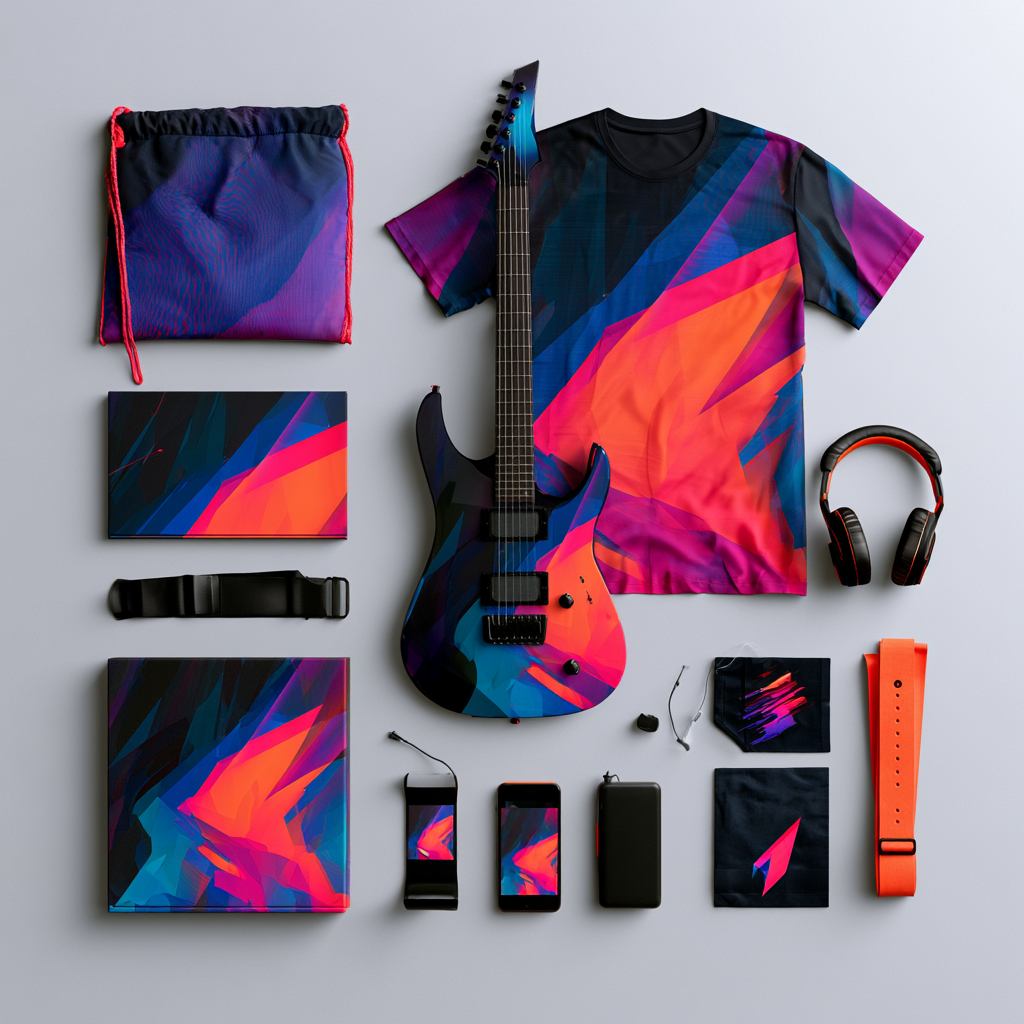
Can Musicians Actually Sell Clothes? How Artists Can Turn Fashion Into a Real Business
Musicians have been selling T-shirts for decades. But today, artists have the opportunity to go much further than traditional band merchandise.
So, can musicians actually sell clothes?
Absolutely.
In fact, clothing can become a genuine second business alongside music, especially for artists who already have a recognisable identity, loyal audience or strong visual style.
The important thing is to stop thinking about clothing purely as “merch”.
Musicians Already Have Something Fashion Brands Spend Millions Trying to Build
The hardest part of launching a clothing brand isn’t necessarily designing a T-shirt.
It’s getting people to care.
Musicians often already have:
- an audience
- a story
- a visual identity
- social media followers
- a community
- cultural credibility
- a reason for people to identify with them
Those are incredibly valuable assets when selling clothing.
A new fashion brand might spend thousands trying to build an Instagram audience from scratch.
An artist may already have thousands of potential customers listening to their music every month.
Artist Merchandise Doesn’t Have to Look Like Merchandise
One of the biggest opportunities for musicians is moving beyond the standard black T-shirt with an artist logo across the front.
There is nothing wrong with traditional band merch, but artists can also create clothing that people would wear even if they weren’t attending a concert.
That could include:
- oversized T-shirts
- hoodies
- hats
- jackets
- streetwear
- sportswear
- limited-edition clothing drops
- collaborations with designers
- accessories
The strongest artist clothing often sits somewhere between merchandise and a genuine fashion brand.
Someone might discover the clothing because they like the artist, but ultimately buy it because they like the product.
Why Clothing Can Make Sense for Independent Artists
Streaming music can require enormous numbers of plays before it generates meaningful income.
Clothing works differently.
Imagine an artist sells a hoodie for £60 and makes £25 profit.
Selling 100 hoodies could generate around £2,500 in gross profit.
Depending on streaming rates, generating the same amount from music alone could require hundreds of thousands of streams.
This doesn’t mean musicians should abandon streaming.
Instead, clothing can become another part of an artist’s wider business.
Music attracts attention.
Attention builds an audience.
That audience can then support concerts, merchandise, subscriptions, physical products and other opportunities.
You Don’t Need Millions of Fans
A common misconception is that artists need huge audiences before launching merchandise.
They don’t.
A small but highly engaged audience can sometimes be more valuable than a massive passive following.
Consider an independent artist with 10,000 genuine fans.
If just 1% bought a £40 T-shirt, that’s 100 sales and £4,000 in revenue.
The challenge isn’t necessarily having millions of followers.
It’s creating something that a small percentage of your audience genuinely wants.
Start With Small Clothing Drops
Musicians shouldn’t necessarily order 5,000 T-shirts on day one.
Start small.
A first collection could contain just one or two products.
For example:
Limited Edition Hoodie
Only 100 available.
Tour T-Shirt
Available for one month.
Album Collection
A small range connected to the visual identity of a new release.
Scarcity can also make clothing feel more special.
Instead of having the same merchandise available permanently, artists can release clothing in drops similar to streetwear brands.
Print-on-Demand Makes Starting Easier
Artists no longer need warehouses full of unsold clothing.
Print-on-demand services allow musicians to upload designs and only manufacture products when customers order them.
That means considerably less financial risk.
The downside is that margins can be lower and artists have less control over production quality.
Once demand becomes predictable, ordering clothing directly from manufacturers can potentially improve margins.
A sensible approach might therefore be:
Start with print-on-demand.
Discover which products people actually buy.
Then manufacture your best-selling products directly.
Treat the Clothing Like Its Own Brand
This is where things become interesting.
Some musicians create merchandise.
Others create brands.
There is a difference.
If you’re serious about selling clothing, think about:
- your brand name
- logo
- typography
- photography
- packaging
- materials
- colours
- website design
- product descriptions
- social media presence
The artist can still be the driving force behind the brand without their face or name appearing on every product.
This can potentially allow the clothing business to grow beyond the musician’s existing fanbase.
Music Is an Incredible Marketing Channel for Clothing
Musicians also have one major advantage over normal fashion companies.
Their music itself can market the clothing.
Artists can wear their own products:
- in music videos
- during concerts
- on TikTok
- on Instagram
- in YouTube videos
- during interviews
- in promotional photography
Fans constantly see the products without necessarily feeling like they’re watching an advertisement.
A single music video could effectively become a global advertisement for the clothing brand.
Clothing Can Strengthen an Artist’s Identity
Fashion and music have always been closely linked.
Rock, punk, hip-hop, rave, metal and countless other music scenes developed distinctive clothing styles alongside their sounds.
An artist’s clothing can therefore become part of their world.
Imagine an artist building a consistent visual identity across:
music artwork → music videos → social media → concerts → clothing.
Suddenly the musician isn’t simply releasing songs.
They’re building a culture around their audience.
Don’t Just Put Your Logo on Everything
One simple question can improve artist merchandise dramatically:
Would someone buy this if they didn’t know who I was?
If the answer is yes, you’re probably creating something more interesting than standard merchandise.
Artist branding can still appear subtly.
It could be:
- a small embroidered symbol
- lyrics hidden inside the garment
- artwork from an album
- a recurring graphic
- a fictional brand connected to the artist
- references only fans understand
This can make the clothing feel much more wearable.
Can Clothing Become Bigger Than the Music?
Potentially.
There are plenty of examples throughout music history where artists have expanded into fashion, beauty, drinks, technology and other industries.
The musician becomes the initial audience-building engine.
But eventually the business can develop independently.
An artist might start selling 100 T-shirts to fans.
That could eventually become thousands of products sold to people who discovered the brand without ever hearing the music.
That is when artist merchandise starts becoming a real fashion company.
Should Every Musician Sell Clothes?
Probably not.
Launching products simply because every artist is expected to have merchandise rarely works.
Clothing makes the most sense when an artist has:
- a clear visual identity
- an engaged audience
- interesting designs
- a community around their music
- willingness to promote the products consistently
For some musicians, merchandise will remain a useful additional income stream.
For others, it could become an entirely separate business.
Can Musicians Actually Sell Clothes?
Yes — and musicians may actually have an advantage when doing it.
Artists already understand branding, culture, storytelling and community.
Those are exactly the things successful clothing companies need.
The biggest opportunity may therefore be to stop thinking:
“How do I sell more band merch?”
And start thinking:
“What clothing brand would my audience genuinely want to wear?”
Music can build the audience.
Clothing can give that audience another way to become part of the world you’ve created.