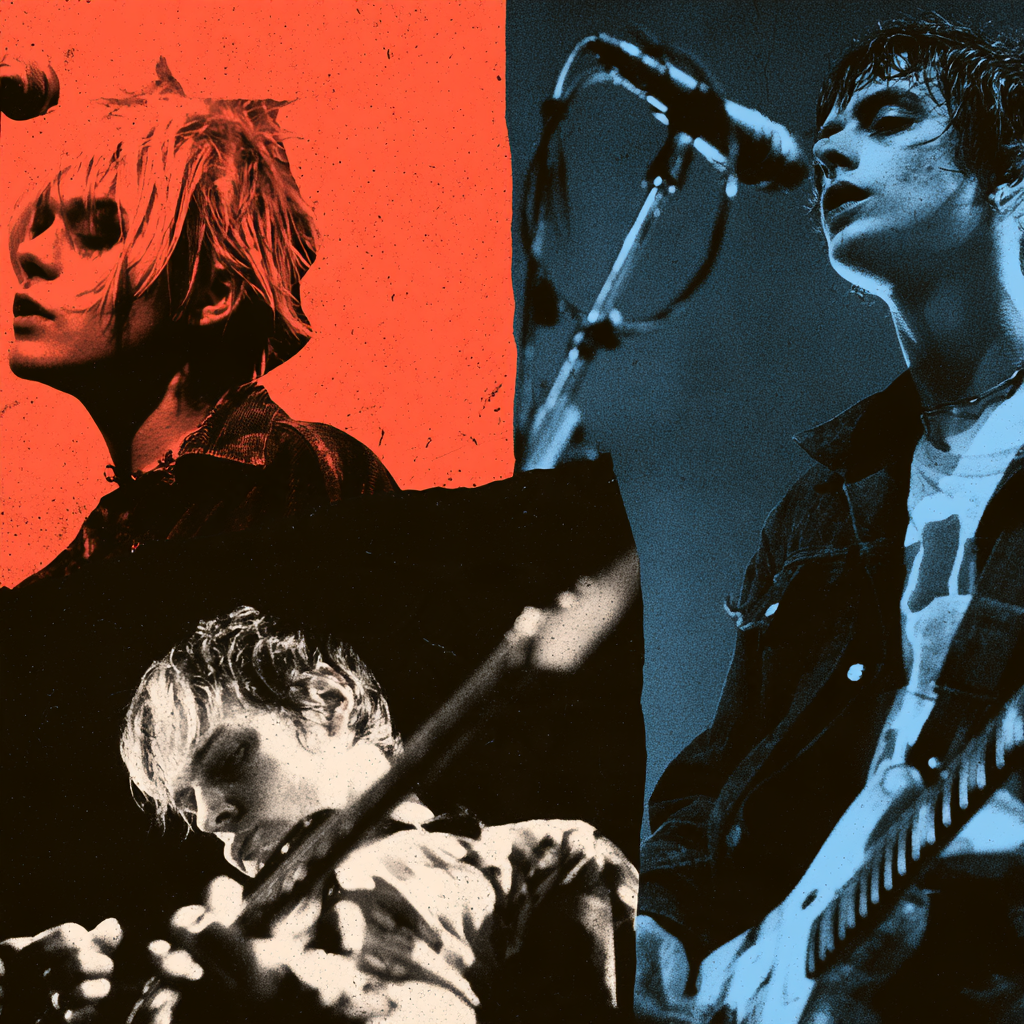
What Is Indie Sleaze? 15 Essential Songs From the 2000s
Indie sleaze is a retrospective name for the messy indie-rock, electronic-club and alternative-pop culture associated with the mid-to-late 2000s and early 2010s.
The music frequently combines guitar-driven indie rock with dance rhythms, synthesizers and deliberately unpolished vocals.
Think The Strokes, Yeah Yeah Yeahs, LCD Soundsystem, MGMT and The Rapture.
But indie sleaze isn’t one precise musical genre.
It’s a wider cultural aesthetic.
The name also describes the fashion, photography and nightlife surrounding a particular period.
These fifteen recordings capture different parts of the musical world.
What does indie sleaze sound like?
Energetic.
Slightly messy.
And frequently danceable.
Some recordings are built around distorted guitars.
Others use electronic rhythms.
The vocals may sound deliberately casual rather than polished.
That creates a contrast with conventional mainstream pop.
Indie sleaze music often sounds like something played in a crowded club where the DJ doesn’t care about maintaining one narrow genre.
1. The Strokes – Last Nite
An essential starting point.
Released in 2001, “Last Nite” helped establish the international profile of New York’s garage-rock revival.
The guitars are bright and direct.
Julian Casablancas’ vocal sounds deliberately unpolished.
The recording became central to the musical culture that later developed into indie sleaze.
2. Yeah Yeah Yeahs – Heads Will Roll
One of the definitive indie-dance recordings.
Karen O’s vocal is powerful and theatrical.
The electronic arrangement creates enormous movement.
“Heads Will Roll” became strongly associated with late-2000s nightlife.
Its remixes made it even more familiar on dancefloors.
3. LCD Soundsystem – Daft Punk Is Playing at My House
An ideal example of indie rock and electronic music colliding.
James Murphy combines distorted guitars with a dance-oriented rhythm.
The song has an intentionally playful personality.
It’s particularly important for understanding the connection between New York indie music and electronic club culture.
4. MGMT – Kids
One of the most recognisable electronic-pop recordings of the period.
The synthesizer melody is immediate.
The vocal feels slightly detached.
And the production combines pop accessibility with alternative musical personality.
“Kids” became a defining sound of late-2000s youth culture.
5. The Rapture – House of Jealous Lovers
A foundational dance-punk recording.
The guitars are aggressive.
The rhythm is relentless.
And the vocal performance is deliberately unusual.
The track helped establish the relationship between post-punk revival bands and dance music.
It’s essential to understanding the musical foundation of indie sleaze.
6. Klaxons – Golden Skans
A particularly recognisable British recording.
Klaxons became associated with the term new rave.
Their music combined indie-rock instrumentation with electronic-pop influences.
“Golden Skans” has a memorable melody and energetic arrangement.
It’s an excellent example of British indie music embracing a more electronic identity.
7. Crystal Castles – Crimewave
A darker electronic recommendation.
Crystal Castles combine distorted synthesizers with aggressive rhythms.
“Crimewave” became an important recording within late-2000s alternative club culture.
Its musical personality is more abrasive than conventional indie pop.
That makes it particularly suitable for listeners interested in the less polished side of the era.
8. Justice – D.A.N.C.E.
French electronic music became an important part of the indie-club environment.
Justice combined disco influences with heavily processed electronic production.
“D.A.N.C.E.” was playful, melodic and visually distinctive.
It’s one of the clearest examples of indie sleaze crossing into electronic dance music.
9. Arctic Monkeys – I Bet You Look Good on the Dancefloor
A defining British guitar-rock recording.
The arrangement is aggressive and immediate.
Alex Turner’s lyrics describe an ordinary nightlife environment.
The song captures the energy of indie clubs during the mid-2000s.
It’s particularly relevant because the subject and music belong to the same social world.
10. CSS – Music Is My Hot Hot Sex
A playful Brazilian electro-rock recommendation.
CSS combined electronic rhythm with alternative-rock personality.
The music was deliberately irreverent.
The band became associated with the international indie-dance movement.
This recording captures the less serious side of the scene.
11. Uffie – Pop the Glock
An important electronic-pop recording.
Uffie became associated with French club culture and the Ed Banger label.
Her music combines a casual vocal delivery with a strong electronic rhythm.
It’s particularly suitable for listeners interested in the connection between indie sleaze and electroclash.
12. The Wombats – Let’s Dance to Joy Division
A particularly recognisable British indie-club anthem.
The song has an energetic guitar arrangement and a strong chorus.
Its title references an earlier post-punk band.
That reflects the way 2000s indie music frequently borrowed from older alternative-rock culture.
13. Phoenix – 1901
A polished but energetic indie-pop recording.
Phoenix combine guitars with electronic textures and immediate melodies.
“1901” has a brighter atmosphere than many other selections.
But its association with late-2000s indie culture is strong.
14. Bloc Party – Banquet
A defining dance-oriented indie-rock recording.
The guitar arrangement is sharp and rhythmic.
Kele Okereke’s vocal provides enormous energy.
“Banquet” demonstrates how a conventional rock band can create music that feels suitable for a nightclub without using traditional electronic dance production.
15. The Dare – Girls
A contemporary revival recommendation.
The Dare draws from earlier dance-punk and electroclash influences.
“Girls” sounds deliberately connected with late-2000s alternative club culture.
It’s a useful way to hear how younger artists have revisited the era’s musical vocabulary.
Why is it called indie sleaze?
The name became popular retrospectively.
During the original period, people were more likely to describe the music through labels such as indie rock, dance-punk, electroclash or new rave.
Indie sleaze developed as a way of grouping the surrounding fashion and cultural aesthetic.
The word sleaze refers partly to the messy, deliberately unpolished visual presentation.
It’s not necessarily a literal description of the musicians.
When was indie sleaze popular?
Approximately the mid-2000s through the early 2010s.
But its musical foundations began earlier.
The Strokes and The Rapture helped establish important sounds during the early 2000s.
Later artists incorporated more electronic production.
By the end of the decade, the scene had become strongly associated with blogs, nightclubs and digital photography.
Is indie sleaze the same as electroclash?
No.
Electroclash is a more specific electronic musical tradition.
It combines influences from synth-pop, techno and punk.
Indie sleaze is a broader cultural label encompassing several genres.
The two overlap considerably.
But not every indie-sleaze recording is electroclash.
The Strokes, for example, belong much more closely to garage rock.
Why is indie sleaze becoming popular again?
Nostalgia is one reason.
The musical style also offers a contrast with highly polished contemporary pop.
Many recordings have a raw, energetic personality.
Younger listeners can discover them through playlists and short-form videos without having experienced the original nightlife culture.
That creates a new audience for older recordings.
What should you listen to next?
Start with The Strokes’ Is This It, LCD Soundsystem’s Sound of Silver and Yeah Yeah Yeahs’ It’s Blitz!.
Then explore Crystal Castles, The Rapture and Klaxons.
For another important recording from the era, Radar’s explanation of Peter Bjorn and John’s “Young Folks” explores one of the most recognisable musical hooks of 2000s indie culture.
What is indie sleaze?
A retrospective cultural label for the indie-rock, electroclash and club-music environment of the mid-to-late 2000s.
Its musical identity ranges from raw guitar bands to aggressive electronic producers.
The main connection is energy, attitude and a distinctive period of alternative nightlife culture.