What Does “A Horse with No Name” Mean? America’s Real Story
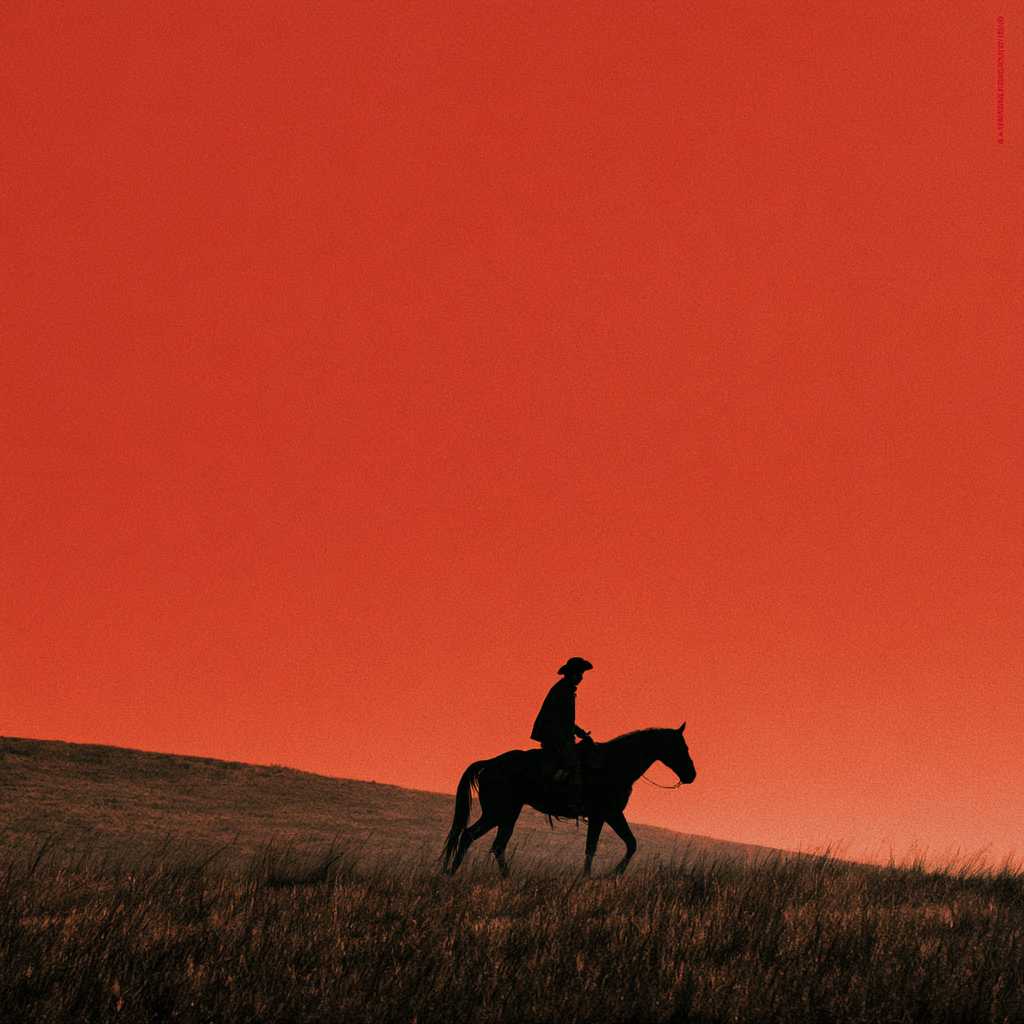
“A Horse with No Name” by America is about escaping the confusion of everyday life and finding peace in an imagined desert landscape.
The song was written by Dewey Bunnell.
It was inspired partly by memories of the American Southwest, where he had travelled during childhood.
But there’s a surprising geographical detail.
Bunnell wrote the recording while living in England.
The desert wasn’t immediately outside his window.
It existed in his memories and imagination.
That distance helped create one of the most distinctive folk-rock recordings of the early 1970s.
Who are America?
A rock band formed by Dewey Bunnell, Gerry Beckley and Dan Peek.
The three musicians were American sons of military families who met while living in England.
Their music combines folk-rock, soft-rock and melodic pop influences.
Important recordings include “Ventura Highway”, “Sister Golden Hair”, “Tin Man” and “A Horse with No Name”.
The group became internationally successful during the 1970s.
Its music frequently explores travel, memory and personal reflection.
When was the song released?
1971 in Britain.
It subsequently became successful in America during 1972.
The recording reached No. 1 on the Billboard Hot 100.
That established America as a major international act.
It’s particularly interesting because the song doesn’t have a conventional pop arrangement.
The rhythm is restrained.
The melody is repetitive.
And the words describe an almost dreamlike journey.
Its commercial success demonstrated that atmospheric folk-rock could appeal to an enormous audience.
Why is the horse nameless?
The title creates a sense of mystery.
Bunnell has explained that the horse represents a means of escaping ordinary confusion.
It doesn’t necessarily need to be understood as a specific animal with a detailed identity.
The narrator is travelling through an imagined landscape.
The journey matters more than the vehicle.
That allows the song to work symbolically.
The horse represents movement away from everyday pressure.
Is the song about drugs?
That’s a popular interpretation.
Some listeners have associated the imagery with altered consciousness or drug use.
But Bunnell’s own explanation focuses on desert memories and the desire to escape life’s complications.
That distinction matters.
Listeners can hear surreal qualities in the recording.
But those qualities don’t automatically establish a hidden drug narrative.
The song’s original inspiration was much more closely connected with landscape and imagination.
What inspired the desert imagery?
Bunnell remembered travelling through California, Arizona and New Mexico as a child.
His father was serving in the military.
The family experienced different American landscapes.
Those memories remained important after Bunnell moved to England.
He later recalled thinking about the heat, openness and unusual atmosphere of the desert.
The song became a way of recreating that environment through music.
Was the song originally called something else?
Yes.
An early title was “Desert Song”.
That makes the original inspiration particularly clear.
The recording developed through Bunnell’s interest in describing a desert experience.
The later title is more mysterious.
It’s also more memorable.
“A Horse with No Name” immediately raises questions.
That probably helped the song develop its distinctive identity.
Why does the music sound hypnotic?
Because the arrangement uses a relatively small collection of musical ideas.
The acoustic guitars create repetition.
The rhythm remains steady.
And the vocal delivery is restrained.
That gives the song a dreamlike character.
The listener can imagine travelling through an enormous landscape without the music constantly changing direction.
The production supports the subject.
A complicated arrangement might have weakened the atmosphere.
Why do people compare it with Neil Young?
Because Bunnell’s voice and the acoustic production share qualities with Young’s early-1970s folk-rock recordings.
Some listeners initially believed “A Horse with No Name” was a Neil Young song.
The resemblance became a familiar part of the recording’s history.
But America created the song independently.
The comparison reflects the broader musical environment of the period.
Acoustic guitar, restrained vocals and reflective writing were particularly popular.
What does the desert symbolise?
Freedom from ordinary social pressures.
The desert is enormous.
It has relatively few familiar landmarks.
And it creates distance from everyday life.
That allows the narrator to experience a different emotional state.
The landscape can feel peaceful and unsettling simultaneously.
Those qualities make it particularly suitable for a song about escape.
Is “A Horse with No Name” a happy song?
Its emotional character is ambiguous.
The recording has a relaxed rhythm.
But the imagery can feel lonely.
The narrator is travelling through an empty landscape.
That might represent freedom.
It might also suggest isolation.
The song doesn’t force one answer.
That’s part of its enduring appeal.
Different listeners can connect with different aspects of the journey.
What genre is A Horse with No Name?
Folk rock and soft rock.
The recording also has psychedelic qualities through its repetitive atmosphere and unusual imagery.
Its acoustic foundation connects with American singer-songwriter music of the early 1970s.
The production is relatively restrained.
That helps make the recording feel timeless.
Where else have I heard the song?
It has appeared in films, television programmes, video games and advertising.
One notable placement was in Breaking Bad, where the song accompanies Walter White during a driving sequence.
The recording’s atmosphere makes it particularly suitable for scenes involving travel or emotional uncertainty.
Its title also creates an interesting connection with stories about identity.
What songs sound similar?
Try America’s “Ventura Highway”, Neil Young’s “Heart of Gold”, Crosby, Stills & Nash’s “Helplessly Hoping”, Gordon Lightfoot’s “Sundown”, Seals and Crofts’ “Summer Breeze” and Fleetwood Mac’s “Dreams”.
For another classic-rock song built around a mysterious location, Radar’s explanation of the real meaning of “Hotel California” explores a similarly symbolic musical journey.
Why is the song still popular?
Because its atmosphere is immediately recognisable.
The acoustic guitar creates movement.
The melody is memorable.
And the words suggest an entire imaginary landscape.
The song also invites interpretation without requiring one elaborate hidden explanation.
Sometimes a recording becomes powerful because it leaves enough space for the listener’s imagination.
What does A Horse with No Name really mean?
Escaping everyday confusion through the imagined freedom of a desert journey.
Dewey Bunnell drew from childhood memories of the American Southwest while living in England.
The horse represents the journey rather than one literal animal.
And the desert becomes a place where the narrator can temporarily leave ordinary life behind.