KAVYA and Converse Show How Brand Partnerships Can Support Independent Music
Indian artist KAVYA has teamed up with Converse for the new visual project surrounding “Glass Trees”, her collaboration with producer Goya.
Rather than feeling like a conventional product placement deal, the collaboration shows how fashion brands and independent musicians can work together in a way that fits naturally with an artist’s creative world.
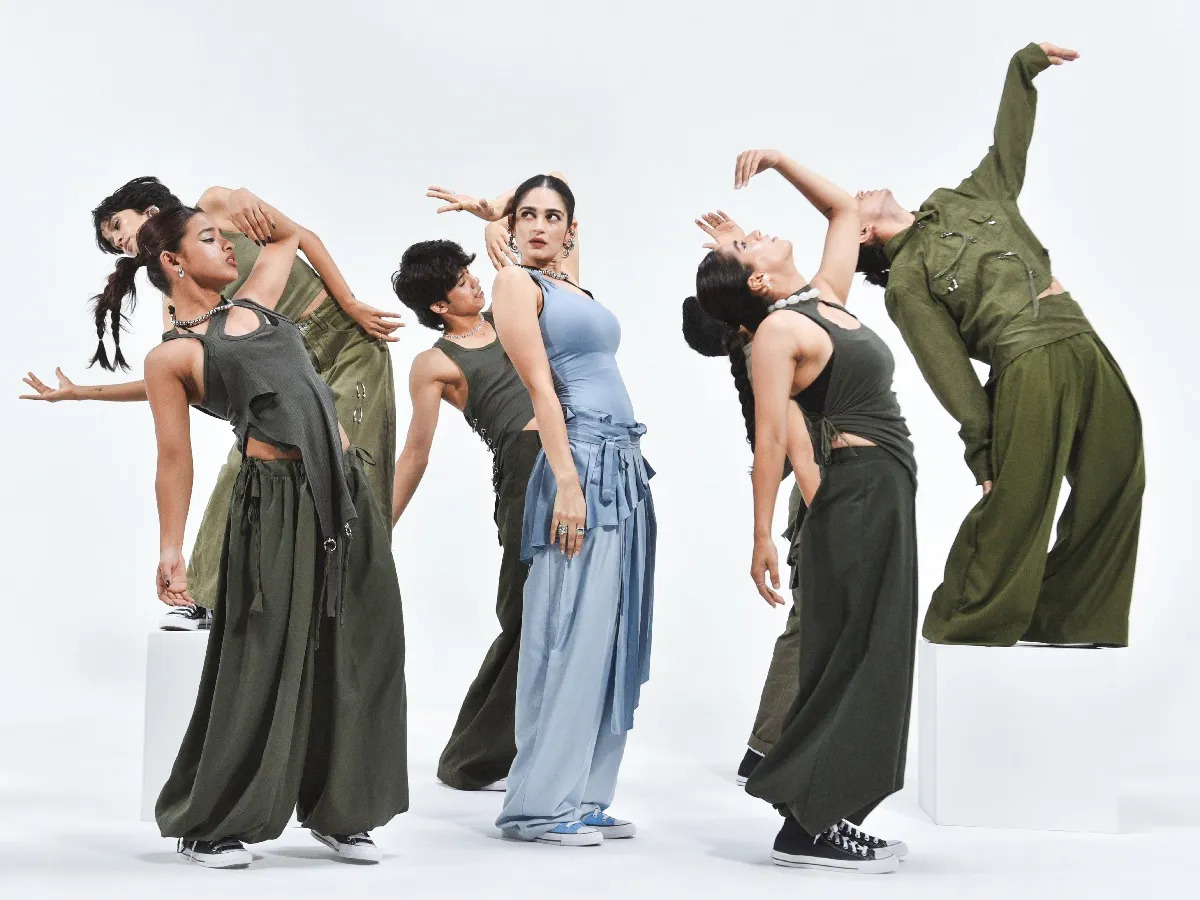
“Glass Trees” was released on September 10, 2026, with KAVYA and Goya combining music, movement, fashion and visual storytelling around themes of fragility, connection and self-expression. The accompanying film brings together dancers, musicians, designers and other visual creatives, with Converse footwear incorporated into the performers’ styling.
It is an interesting example of where artist marketing may increasingly be heading.
Who is KAVYA?
KAVYA, also known as Kavya Trehan, is an Indian singer-songwriter, producer and actor from New Delhi.
Her music crosses R&B, electronic, indie-pop and more experimental sounds, while her wider creative career has included acting, fashion and visual art. She has also appeared in projects including Amazon Prime’s “Hush Hush” and Netflix series “The Royals”.
That multidisciplinary background makes a collaboration with a fashion brand such as Converse feel particularly natural.
KAVYA isn’t simply attaching a brand to a song. Fashion is already part of the visual language surrounding the artist.
KAVYA and Goya release “Glass Trees”
“Glass Trees” sees KAVYA collaborate with producer Goya on a project that goes considerably further than simply releasing a track to streaming platforms.
The project combines music with choreography, fashion and filmmaking, giving the release a much larger creative identity.
That approach has already helped “Glass Trees” travel beyond KAVYA’s existing audience. COLORS included KAVYA and Goya’s “Glass Trees” among its new music selections following the release.
For artists, this type of release strategy is becoming increasingly important.
There are now tens of thousands of tracks arriving on streaming services every day. Simply uploading a song and posting a link to Spotify is rarely enough to attract attention.
Building a world around the music gives fans more reasons to discover it.
Converse fits naturally into the “Glass Trees” music video
One of the smartest elements of the collaboration is how Converse appears within the project.
Rather than stopping the music video for an obvious advertisement, Converse footwear forms part of the performers’ clothing and overall visual aesthetic. HELLO! India describes the footwear as being incorporated into the performers’ looks to complement the movement and free-flowing nature of the film.
That distinction matters.
Audiences are used to seeing brands in music, fashion, sport and creator content. The problem normally comes when the partnership feels disconnected from the artist.
The best collaborations work because the brand becomes another element of the creative idea.
KAVYA and Converse provide a good example.
Brand partnerships could become increasingly important for independent artists
There is also a bigger music-industry story here.
Traditionally, record labels provided much of the money required to create expensive music videos, marketing campaigns and other promotional assets.
Today, considerably more artists operate independently.
That creates enormous freedom, but artists still need to finance ambitious creative ideas.
Brand partnerships can potentially help fill some of that gap.
Fashion brands in particular have a natural overlap with music because both are closely connected to identity, culture and self-expression.
For the artist, the potential benefits go beyond money. A good partnership can provide additional marketing, content, audiences and cultural credibility.
For the brand, musicians offer something traditional advertising struggles to manufacture: genuine participation in culture.
That creates the possibility of a relationship where both sides benefit.
Music videos are becoming much more than music videos
“Glass Trees” also highlights how the definition of a music video continues to change.
Music Ally has increasingly documented campaigns where artists use visual content, fashion, live performances, creators and partnerships as interconnected parts of a release rather than treating a music video as an isolated promotional asset.
The KAVYA project follows that broader direction.
“Glass Trees” isn’t simply a video accompanying a streaming release.
It becomes a creative project involving musicians, dancers, designers, fashion and filmmaking.
That creates far more potential content around a single song.
A three-minute track can become photographs, behind-the-scenes videos, short-form clips, choreography, fashion content, interviews and social posts.
For an independent artist, that can dramatically extend the lifespan of a release.
Artist-brand partnerships don’t need to compromise creativity
There has traditionally been some tension around musicians working with commercial brands.
Artists understandably don’t want fans to feel that their work exists simply to sell a product.
But that doesn’t mean brand collaborations have to compromise an artist’s identity.
The KAVYA and Converse project demonstrates another approach: find a brand that already fits the aesthetic of the artist and incorporate it into the creative process.
When that happens, the commercial partnership can actually help make the creative project bigger.
That is a very different proposition from inserting a random product into a music video because someone paid for placement.
A model more independent artists could explore
Independent artists now have access to global distribution, streaming platforms, social media and increasingly powerful music-production tools.
What many still lack is access to the marketing budgets traditionally available to major-label artists.
Creative partnerships with brands offer one possible solution.
Artists don’t necessarily need millions of streams before brands become interested either. Artists can have valuable audiences because of their culture, style, community or identity rather than simply their streaming numbers.
KAVYA is a particularly good example of that crossover.
She operates across music, acting, fashion and visual culture, while maintaining a clearly identifiable artistic style.
For brands trying to reach younger audiences authentically, artists like KAVYA can therefore offer something much more interesting than traditional advertising.
And for musicians, the right collaboration can provide another way of funding and amplifying ambitious creative work.
“Glass Trees” shows what can happen when the partnership becomes part of the art rather than distracting from it.
That could be a model we see a lot more of.