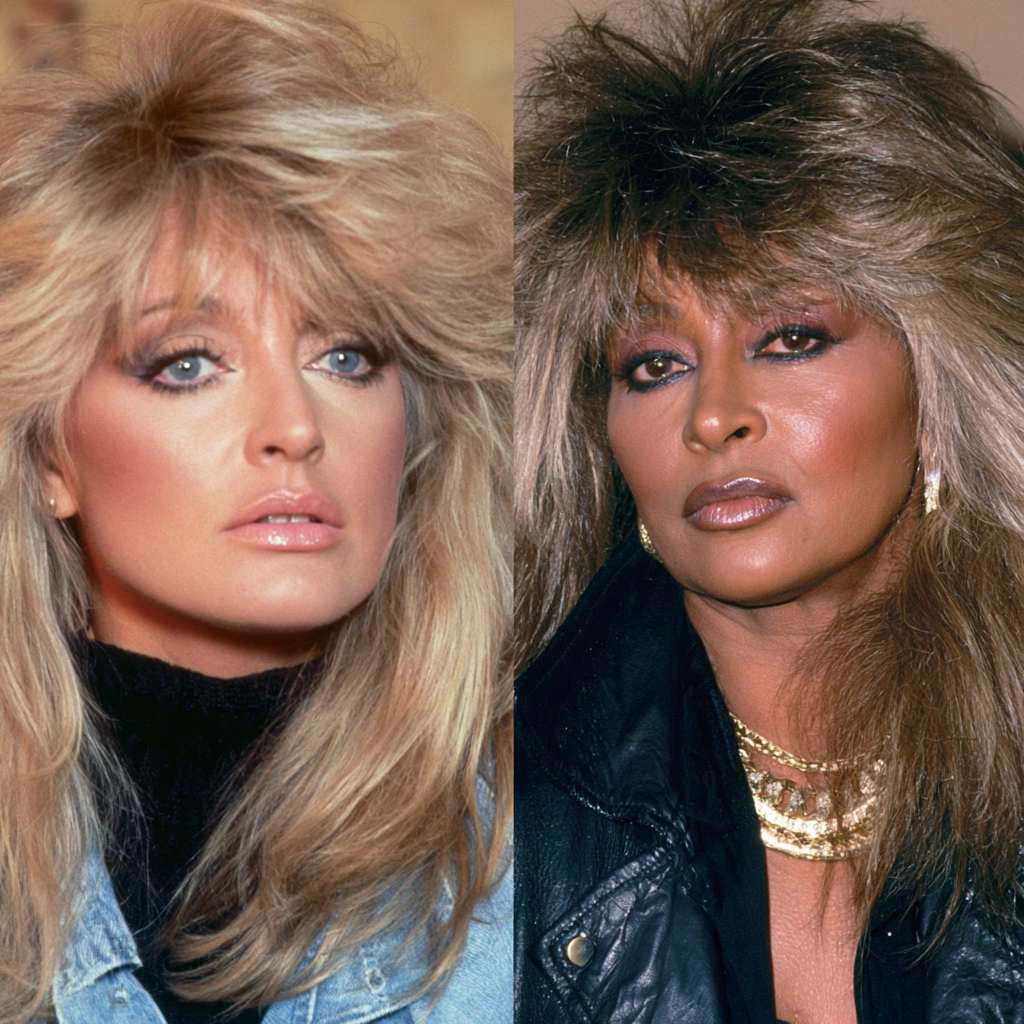
Who Originally Sang “The Best”? Bonnie Tyler Before Tina Turner
“The Best”, often called “Simply the Best”, was originally recorded by Bonnie Tyler in 1988.
Not Tina Turner.
Turner released her famous version in 1989, transforming the composition into one of the most recognisable celebration anthems in popular music.
The song has since become associated with sporting victories, personal achievements and major public celebrations.
But its original recording had a very different commercial experience.
Tyler’s version attracted relatively limited attention.
Turner’s became an international hit.
It’s an excellent example of a great composition finding its defining performer through a later recording.
Who wrote “The Best”?
Mike Chapman and Holly Knight.
The two songwriters created the composition during the late 1980s.
Knight was an established songwriter associated with powerful rock and pop material.
Chapman had worked with numerous successful performers.
The song was originally offered to Paul Young, who declined it.
That created an opportunity for another artist.
Bonnie Tyler recorded the composition for her 1988 album Hide Your Heart.
Who is Bonnie Tyler?
A Welsh singer famous for her distinctive raspy voice.
She achieved enormous international success through songs including “Total Eclipse of the Heart” and “Holding Out for a Hero”.
Her vocal style is particularly suited to dramatic rock and pop arrangements.
That made “The Best” an understandable choice.
The song contains an enormous chorus and powerful emotional message.
Those qualities are closely connected with Tyler’s established musical identity.
When did Bonnie Tyler release it?
January 1988.
The recording was produced by Desmond Child and appeared on Hide Your Heart.
It became a modest success in some European markets.
But it didn’t develop into the enormous international hit later associated with Tina Turner.
In Britain, Tyler’s single received very limited chart attention.
That wasn’t necessarily evidence that the composition lacked potential.
Sometimes the combination of arrangement, promotion, performer and timing determines how an audience responds.
Why did Tina Turner record it?
Turner recognised the composition’s potential.
Her version was recorded for the 1989 album Foreign Affair.
The arrangement emphasised a powerful rock rhythm and her distinctive vocal delivery.
That changed the recording’s personality.
Tyler’s version was already dramatic.
Turner’s performance made the central declaration sound especially confident.
The song became perfectly suited to her public image.
Independent.
Powerful.
And emotionally direct.
How successful was Tina Turner’s version?
It became an enormous international hit.
The recording reached No. 5 on the UK Singles Chart.
It also became successful across Europe and other markets.
Over time, its reputation grew far beyond its original chart performance.
The song became associated with sporting celebrations and major events.
It also became one of Turner’s signature recordings.
Why do people call it “Simply the Best”?
Because of the famous phrase in the chorus.
But the official title is “The Best”.
The alternative name became common because listeners remembered the most recognisable part of the song.
That’s not unusual.
Many recordings become known through a memorable lyrical phrase rather than their actual title.
If you’re searching for the original, look for Bonnie Tyler’s “The Best” from 1988.
What does “The Best” actually mean?
Admiring somebody so intensely that they seem extraordinary.
The narrator describes a person who provides love, excitement and emotional reassurance.
The recording is therefore a romantic song.
But its message is flexible.
Listeners can apply it to sporting success or personal achievement because the central declaration is so direct.
That flexibility helped the recording become a celebration anthem.
Why is Tina Turner’s version more famous?
Her performance creates an immediate emotional impact.
Turner’s voice is powerful and recognisable.
The arrangement places her at the centre.
And the production has the energy associated with major late-1980s rock recordings.
The song also arrived during a successful period of Turner’s career.
Her performance connected with an audience already familiar with her musical identity.
The result became bigger than the original release.
Did Bonnie Tyler like Tina Turner’s version?
Tyler later spoke positively about Turner’s interpretation.
She acknowledged that the newer recording had become enormously successful.
Rather than treating the cover as an insult, she recognised how effectively Turner performed the song.
That’s an interesting part of the story.
Two singers with unusually powerful voices approached the same composition.
The audience ultimately associated it more strongly with one of them.
Did Tina Turner record a duet version?
Yes.
In 1992, Turner recorded a duet with Australian rock singer Jimmy Barnes.
The new interpretation became particularly popular in Australia.
It brought another vocal personality into the song.
Barnes and Turner both have powerful, rough-edged singing styles.
That makes the duet very different from a conventional romantic pop collaboration.
It’s worth hearing after the original two recordings.
What genre is “The Best”?
Pop rock and arena rock.
The composition has an enormous chorus and a strong rhythmic arrangement.
Both Tyler and Turner approach it through a rock-influenced vocal style.
The result also belongs to the broader tradition of late-1980s power ballads and anthemic pop-rock recordings.
Songs like “The Best”
Try Tina Turner’s “We Don’t Need Another Hero”, Bonnie Tyler’s “Holding Out for a Hero”, Cher’s “If I Could Turn Back Time” and Pat Benatar’s “Love Is a Battlefield”.
For another example of a later recording overshadowing the original, Radar has a guide to Joan Jett’s “I Love Rock ‘n’ Roll” and its first performers, Arrows.
That song belongs to a different rock tradition, but the story of recognition is similar.
Who originally sang “The Best”?
Bonnie Tyler in 1988.
Tina Turner made it internationally famous the following year.
Jimmy Barnes later joined Turner for another successful version.
The song’s history demonstrates how a recording can become so closely associated with one performer that the original almost disappears.
Sometimes the definitive version isn’t the first one.