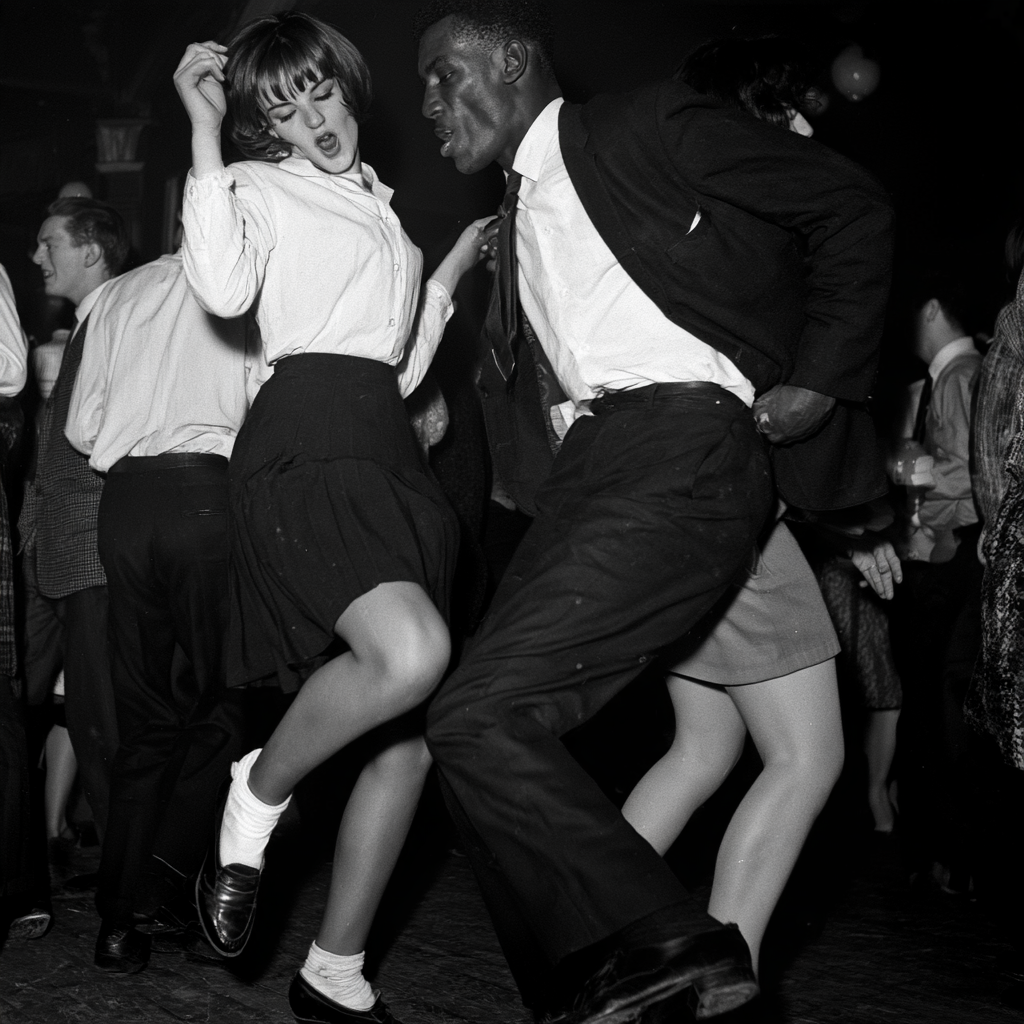
What Is Northern Soul? 15 Essential Songs and the Story of Wigan Casino
Northern soul is a British music and dance culture built around rare American soul records.
It developed during the late 1960s and became particularly important throughout the 1970s.
But there’s an unusual detail.
Most of the defining recordings weren’t originally created in northern England.
They were American soul singles, often released years earlier and sometimes commercially unsuccessful.
British DJs discovered them.
Club audiences fell in love with them.
And forgotten recordings became valuable dancefloor anthems.
Wigan Casino became the movement’s most famous venue.
More than fifty years later, Northern soul continues attracting new generations of dancers and music collectors.
Why is it called Northern soul?
Because the scene developed largely in northern England and the Midlands.
Clubs in Manchester, Wigan, Stoke-on-Trent and Blackpool became particularly important.
The music itself came mainly from America.
DJs searched for rare soul recordings with powerful rhythms and emotional vocals.
The records were often from the 1960s.
But their greatest cultural impact in Britain developed during the following decade.
The name therefore describes the British scene rather than the original geographical location of the musicians.
15 essential Northern soul songs
1. Frank Wilson – Do I Love You (Indeed I Do)
One of the genre’s defining recordings.
The song was originally released in extraordinarily limited numbers on Motown’s Soul label.
Its rarity eventually became legendary.
But the musical appeal is obvious.
The rhythm is energetic and the vocal is full of optimism.
The track also became closely associated with the final moments of Wigan Casino’s famous all-nighters.
2. Dobie Gray – Out on the Floor
An essential introduction.
The recording has a powerful rhythm and immediately recognisable chorus.
Its energetic arrangement makes it particularly suitable for dancing.
The track became so closely associated with Northern soul that it’s frequently described as one of the movement’s defining songs.
3. Yvonne Baker – You Didn’t Say a Word
A dramatic soul recording with an enormous vocal performance.
The arrangement has a strong rhythmic foundation.
But the emotional character is more melancholy than the music initially suggests.
That’s an important part of Northern soul.
The songs aren’t always cheerful.
The rhythm can be energetic while the narrator describes romantic disappointment.
4. Al Wilson – The Snake
One of the most recognisable records associated with the scene.
The recording tells an unusual story using a snake as a central character.
Its spoken narrative and memorable rhythm make it distinctive.
The song became a major Northern soul favourite.
It also demonstrates that the scene wasn’t limited to conventional romantic songwriting.
5. Jimmy Radcliffe – Long After Tonight Is All Over
A particularly important closing-night recording.
The song became one of Wigan Casino’s famous final selections.
Its emotional vocal performance creates a powerful sense of farewell.
For dancers who had spent hours inside the club, the recording became associated with the end of an extraordinary night.
That cultural connection gives it another emotional meaning.
6. Tobi Legend – Time Will Pass You By
Another essential Wigan Casino recording.
The rhythm is energetic.
The vocal is uplifting.
And the message encourages listeners to appreciate life while they can.
It’s one of the recordings associated with the club’s famous closing sequence.
7. Chuck Wood – Seven Days Too Long
A classic energetic soul recording.
The rhythm is direct and powerful.
The arrangement creates constant movement.
It demonstrates why Northern soul dancers became so attracted to relatively obscure American records.
A song didn’t need mainstream chart success to become extraordinary inside the right club.
8. Gloria Jones – Tainted Love
Long before Soft Cell made it an electronic hit, Gloria Jones recorded the composition in 1964.
It became a Northern soul favourite.
The original is much warmer and more rhythmically energetic than the later synth-pop version.
It’s an excellent example of the genre influencing mainstream British music years afterwards.
9. R. Dean Taylor – There’s a Ghost in My House
A powerful soul-pop recording.
The production has a dramatic, energetic character.
It became particularly successful through the Northern soul scene.
The song also demonstrates that music associated with the movement wasn’t restricted to one narrow vocal style.
10. Epitome of Sound – You Don’t Love Me
A lesser-known but highly respected Northern soul recording.
Its arrangement combines smooth harmonies with a strong dance rhythm.
It’s particularly suitable for listeners who want to move beyond the most famous records.
The track reflects the scene’s interest in discovering overlooked American releases.
11. Billy Butler – The Right Track
A particularly energetic recording.
The rhythm is tightly controlled.
The vocal has a direct, confident personality.
The song became another favourite among collectors and dancers.
It’s an excellent example of how musicianship, rather than commercial fame, could determine a record’s reputation.
12. The Tomangoes – I Really Love You
A rare soul recording with an unusually distinctive atmosphere.
Its vocal harmonies and powerful rhythm helped establish its popularity among collectors.
The song demonstrates another important Northern soul characteristic.
Rarity alone wasn’t enough.
The record also needed to work emotionally and physically on the dancefloor.
13. James Fountain – Seven Day Lover
A defining rare-soul favourite.
The recording has a strong rhythmic foundation and emotionally expressive vocal performance.
It’s less familiar to casual listeners than “Tainted Love” or “The Snake”.
But within Northern soul culture, it has a substantial reputation.
14. Garnet Mimms – Looking for You
A dramatic vocal performance combining soul intensity with energetic production.
Mimms was an accomplished American singer.
The recording became important within the British Northern soul scene.
It’s particularly suitable for listeners interested in discovering the vocal talent behind the records rather than simply their rarity.
15. Frankie Valli – You’re Ready Now
An unexpected recommendation for listeners who know Valli primarily through The Four Seasons.
“You’re Ready Now” developed a particularly strong Northern soul audience.
Its rhythm and melody made it suitable for club play.
It’s an excellent example of the scene finding new value in recordings associated with familiar performers.
What was Wigan Casino?
A nightclub in Wigan, Greater Manchester.
It became particularly famous for Northern soul all-nighters.
People travelled from across Britain to attend.
The club developed an extraordinary identity.
The music was central.
But so were the dancing, clothing, friendships and sense of belonging.
Wigan Casino closed in 1981.
Its cultural reputation survived.
Why did DJs search for rare records?
Because exclusivity mattered.
A DJ who discovered a powerful recording that nobody else possessed could create an extraordinary moment.
That encouraged intense record collecting.
DJs searched American shops, warehouses and catalogues for forgotten singles.
Some records had originally sold very few copies.
Their scarcity eventually made them valuable.
But the process also introduced British audiences to American performers who had received relatively little attention at home.
What does Northern soul dancing look like?
Energetic and athletic.
Dancers frequently use spins, kicks, slides and rapid footwork.
But there’s room for individual style.
The dancing developed around the rhythm of the records rather than one fixed routine.
Comfortable clothing and shoes became important.
The emphasis was on movement.
Not elaborate stage presentation.
Is Northern soul still popular?
Yes.
The movement continues through dedicated events, DJs and record collectors.
The 2026 documentary Northern Soul: Still Burning explored the scene’s history and continuing influence.
Its release introduced another generation to the culture.
The enduring appeal comes partly from the music.
But also from the community surrounding it.
Northern soul has always been about more than simply owning records.
What is the difference between Northern soul and Motown?
Motown is a record company and musical tradition associated with Detroit.
Northern soul is a British music culture involving records from many different American labels.
Some Motown recordings became Northern soul favourites.
Others came from small independent companies.
The scenes overlap musically.
But they aren’t identical.
Northern soul is partly defined by what British DJs and dancers discovered and celebrated.
Where should beginners start?
Begin with Frank Wilson’s “Do I Love You”.
Then Dobie Gray’s “Out on the Floor”.
Move towards Gloria Jones’ “Tainted Love”.
Finally, explore rarer recordings such as “You Don’t Love Me” and “Seven Day Lover”.
That progression takes you from familiar classics into the deeper collecting culture.
What is Northern soul music?
A British movement built around discovering and dancing to rare American soul records.
Its defining era was the late 1960s and 1970s.
Wigan Casino became its most famous venue.
And its influence continues today.
Northern soul demonstrates something remarkable about music.
A record can fail commercially in one country and become legendary somewhere else.