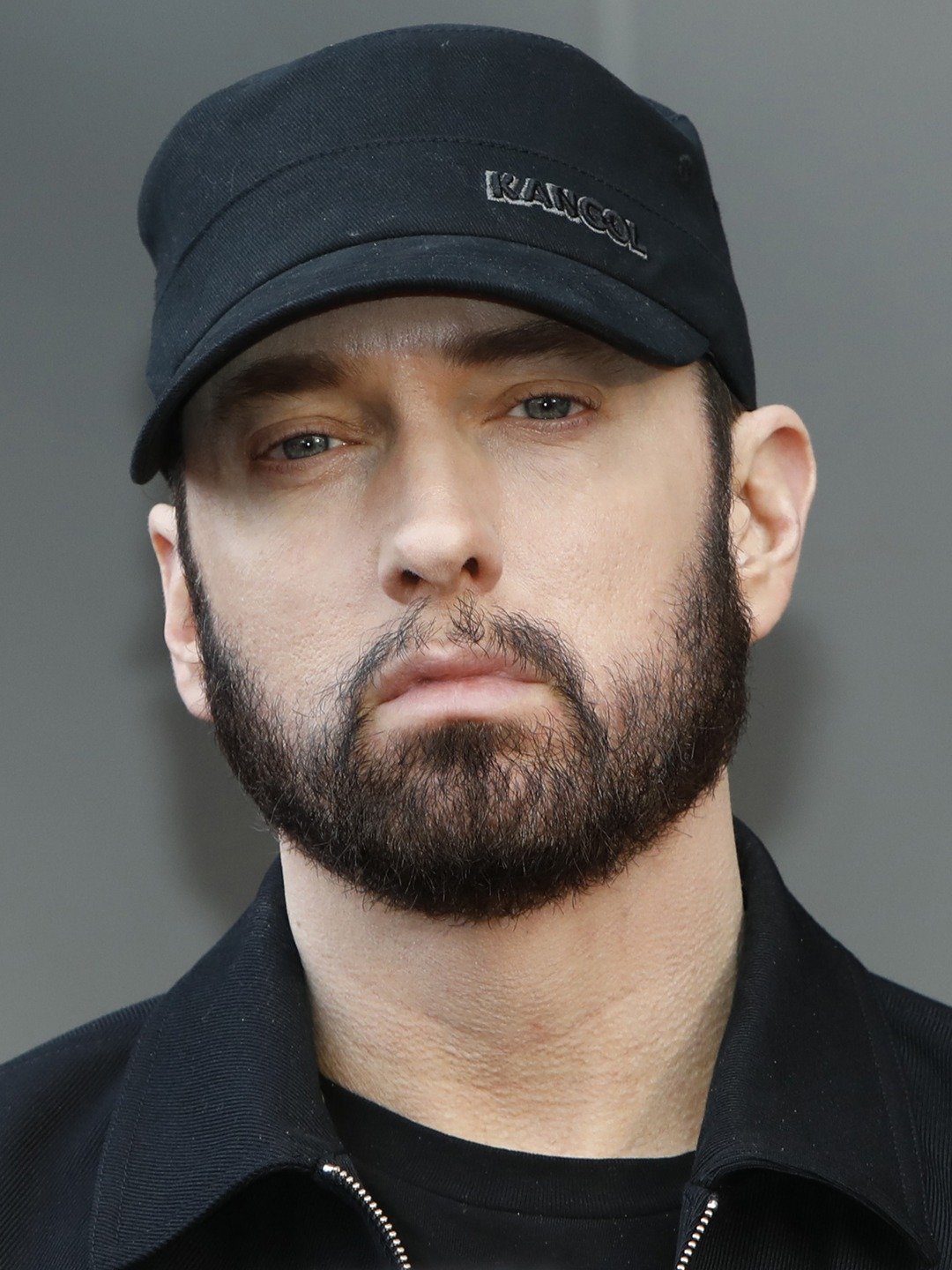
Eminem’s Publisher Expands Suno Copyright Lawsuit With 108 More AI-Generated Songs
Eminem’s music publisher has significantly expanded its copyright infringement lawsuit against AI music platform Suno, adding 108 examples of allegedly unauthorised AI-generated tracks based on some of the rapper’s biggest hits.
Eight Mile Style and Martin Affiliated filed an amended complaint on 19 November 2026 in the US District Court for the Northern District of California, strengthening their allegations that Suno used copyrighted music without permission to train its artificial intelligence models.
The lawsuit involves 269 musical compositions associated with Eminem, including “Lose Yourself”, “Without Me”, “The Real Slim Shady”, “Stan” and “Till I Collapse”.
The publishers are seeking up to approximately $47.8 million in statutory damages across their copyright infringement and Digital Millennium Copyright Act (DMCA) claims.
The development adds further pressure to Suno as the AI music company faces an expanding collection of lawsuits from music publishers, record labels and other rights holders.
Why is Eminem’s publisher suing Suno?
The dispute centres on how Suno develops its generative AI technology and whether copyrighted music has been used without the necessary permissions.
Suno allows users to create complete songs using text prompts, generating vocals, instrumentals, melodies and lyrics through artificial intelligence.
However, Eight Mile Style alleges that Suno built its technology using copyrighted musical compositions obtained without authorisation.
According to the lawsuit, Suno copied protected works from online sources and incorporated them into the datasets used to train its AI music models.
The publishers argue that this activity infringed their exclusive rights and allowed Suno to develop a commercial service using music it had not licensed.
The complaint also alleges that Suno circumvented technological restrictions when accessing copyrighted material and removed copyright management information, including information identifying the original rights holders.
These remain allegations. The court has not determined that Suno infringed the publishers’ copyrights.
What has changed in the amended Suno lawsuit?
The most significant development is the addition of 108 allegedly infringing AI-generated recordings involving 26 copyrighted compositions.
The new examples were submitted as part of the amended complaint and are intended to demonstrate how Suno can allegedly reproduce protected lyrics and musical elements.
Among the songs referenced are:
- Lose Yourself
- Without Me
- The Real Slim Shady
- Mockingbird
- Stan
- Till I Collapse
- Houdini
- Superman
- Hailie’s Song
- Role Model
The examples include AI-generated versions of familiar songs presented in different musical styles.
According to reporting by Digital Music News, these include a jazz interpretation of “Lose Yourself”, an alternative rock version of “The Real Slim Shady” and a DJ-style version of “Without Me”.
The publishers argue that changing the genre or arrangement does not necessarily remove copyright concerns when protected lyrics or other original musical elements are reproduced.
Importantly, the amended filing does not increase the number of underlying compositions involved in the lawsuit.
The case still concerns 269 works, and the amount of statutory damages being requested remains unchanged.
Instead, Eight Mile Style has expanded the evidence supporting its existing allegations.
Why is Suno facing a potential $47.8 million damages claim?
The lawsuit seeks several different categories of statutory damages under US copyright law.
For alleged wilful copyright infringement, Eight Mile Style is seeking up to $150,000 for each of the 269 musical compositions.
That produces a potential copyright infringement claim of $40.35 million.
The publishers are also seeking approximately $672,500 for alleged circumvention of technological protection measures and $6.725 million for alleged removal or alteration of copyright management information.
Together, these claims total approximately $47.75 million.
However, this figure represents the statutory damages requested by the publishers, not an amount awarded by a court.
The final outcome could be considerably different depending on the legal arguments, evidence and any settlement negotiations.
The publishers are also seeking additional remedies, including orders relating to allegedly unauthorised copies of their works.
Is Eminem personally suing Suno?
Although the case is widely described as the Eminem Suno lawsuit, Eminem himself is not named as a plaintiff.
The legal action has been brought by Eight Mile Style and Martin Affiliated, which own or administer rights in the musical compositions involved.
This distinction is important because the copyright in a musical composition is separate from the copyright in a particular sound recording.
Songwriters and publishers can control rights in lyrics and compositions, while record labels and recording owners may control rights in the recorded performances.
Consequently, an AI developer potentially needs permission from multiple rights holders when using commercially released music.
The amended lawsuit also raises concerns about AI-generated vocals that allegedly resemble Eminem’s voice.
Although voice and likeness are discussed in the complaint, the three formal causes of action concern copyright infringement and two DMCA-related claims.
What has Suno said about the copyright allegations?
Suno has disputed allegations that its service is designed to exploit existing artists’ music or identities.
Following the original lawsuit, the company said its purpose was to help people create original music rather than impersonate established performers.
Suno has also stated that it restricts prompts referencing particular artists and songs and uses safeguards intended to prevent misuse of copyrighted material.
However, Eight Mile Style challenges the effectiveness of those safeguards.
The amended complaint argues that the additional examples demonstrate that users can still generate material containing protected lyrics or recognisable elements of existing compositions.
This disagreement highlights one of the most significant questions surrounding generative AI music.
Even when platforms introduce restrictions intended to prevent copyright infringement, how effectively can those safeguards stop users from reproducing protected works?
Suno faces growing legal pressure from the music industry
The Eminem lawsuit is part of a wider legal battle over artificial intelligence and music copyright.
Record labels, publishers and other rights holders have increasingly challenged AI developers over the alleged use of copyrighted recordings, lyrics and compositions in training datasets.
Companies including Sony Music Entertainment, Universal Music Group and Reservoir have pursued legal action involving Suno.
In October 2026, Reservoir filed lawsuits against Suno and Anthropic involving more than 1,000 musical compositions in the Suno case and additional copyrighted works in its action against Anthropic.
You can read more about Reservoir’s lawsuits against Suno and Anthropic.
Meanwhile, Suno has also reached licensing agreements with companies including Warner Music Group, BMG and Believe.
These agreements demonstrate that commercial partnerships between generative AI developers and established music businesses are possible.
However, licensing agreements do not automatically resolve disputes concerning earlier training practices or works controlled by rights holders outside those agreements.
The industry is increasingly moving towards a combination of licensed AI services and ongoing litigation over disputed uses of copyrighted material.
What does the Eminem Suno lawsuit mean for independent artists?
Although the lawsuit involves one of the world’s most recognisable rappers, its implications extend well beyond major recording artists.
Independent musicians, producers and songwriters face many of the same questions surrounding copyright ownership, AI-generated music and the commercial use of their work.
Protecting original compositions
The lawsuit highlights the value of songwriting and publishing rights.
Even if an AI-generated recording does not directly sample an existing master recording, reproducing protected lyrics or melodies can still create copyright concerns.
Independent artists should maintain accurate records of their original compositions, collaborators and ownership arrangements.
Understanding AI music licensing
AI music companies are increasingly negotiating agreements with rights holders.
These partnerships could eventually create additional revenue opportunities for songwriters and publishers whose catalogues are licensed for AI development.
However, artists should not assume that their music is covered by a particular agreement or that participation automatically produces royalties.
The terms of individual licensing arrangements matter.
Releasing AI-generated music
Artists using AI music generators also need to understand the potential risks of distributing their creations.
Having commercial usage rights under an AI platform’s subscription terms does not necessarily guarantee that every generated recording is free from third-party copyright claims.
Musicians should review AI-generated lyrics, melodies and vocals before releasing their work commercially.
Avoiding unauthorised imitation of established artists and keeping records of the creative process can also help reduce potential problems.
For more information, read our guide: Can You Distribute Suno Music to Spotify and Other Streaming Services?
Could the Eminem lawsuit change the future of AI music?
The central legal questions surrounding generative AI music remain unresolved.
One major issue is whether training artificial intelligence models using copyrighted music without permission can qualify as fair use under US copyright law.
AI developers have argued in copyright disputes that their technology learns patterns and characteristics from existing material to create new outputs.
Rights holders counter that copying their work to build commercially valuable AI systems requires appropriate authorisation.
A separate issue concerns the music these systems produce.
If an AI-generated track reproduces recognisable protected lyrics, melodies or other copyrightable elements, that output may raise infringement questions independently of the legality of the original training process.
The Eminem lawsuit brings both issues into focus.
The publishers are challenging the alleged use of their compositions during training while also presenting examples of AI-generated recordings that they argue reproduce protected material.
The outcome could contribute to how courts assess copyright infringement involving generative music platforms and influence future licensing negotiations.
Nevertheless, a ruling in this individual case would not necessarily resolve every legal question surrounding AI-generated music.
What happens next in the Eminem Suno lawsuit?
The amended complaint was filed on 19 November 2026, less than two weeks after the original action.
The case has been assigned to US District Judge Beth Labson Freeman in the Northern District of California.
Suno will have the opportunity to respond to the amended allegations and challenge the publishers’ claims.
The proceedings could involve disputes over training data, copyright ownership, generated outputs and the application of US copyright law to artificial intelligence.
A settlement is also possible, although no outcome should be assumed.
For the wider music industry, the case represents another important stage in the developing relationship between generative AI technology and music copyright.
Artificial intelligence is creating new ways to produce and experience music, but the commercial success of these technologies raises fundamental questions about ownership, licensing and compensation.
As AI music generation continues to grow, establishing clearer rules around the use of copyrighted material will become increasingly important for developers, publishers, record labels and independent artists alike.
The question is no longer simply whether AI can create music.
It is how that technology can operate commercially while respecting the rights of the people who created the music on which it may have been trained.