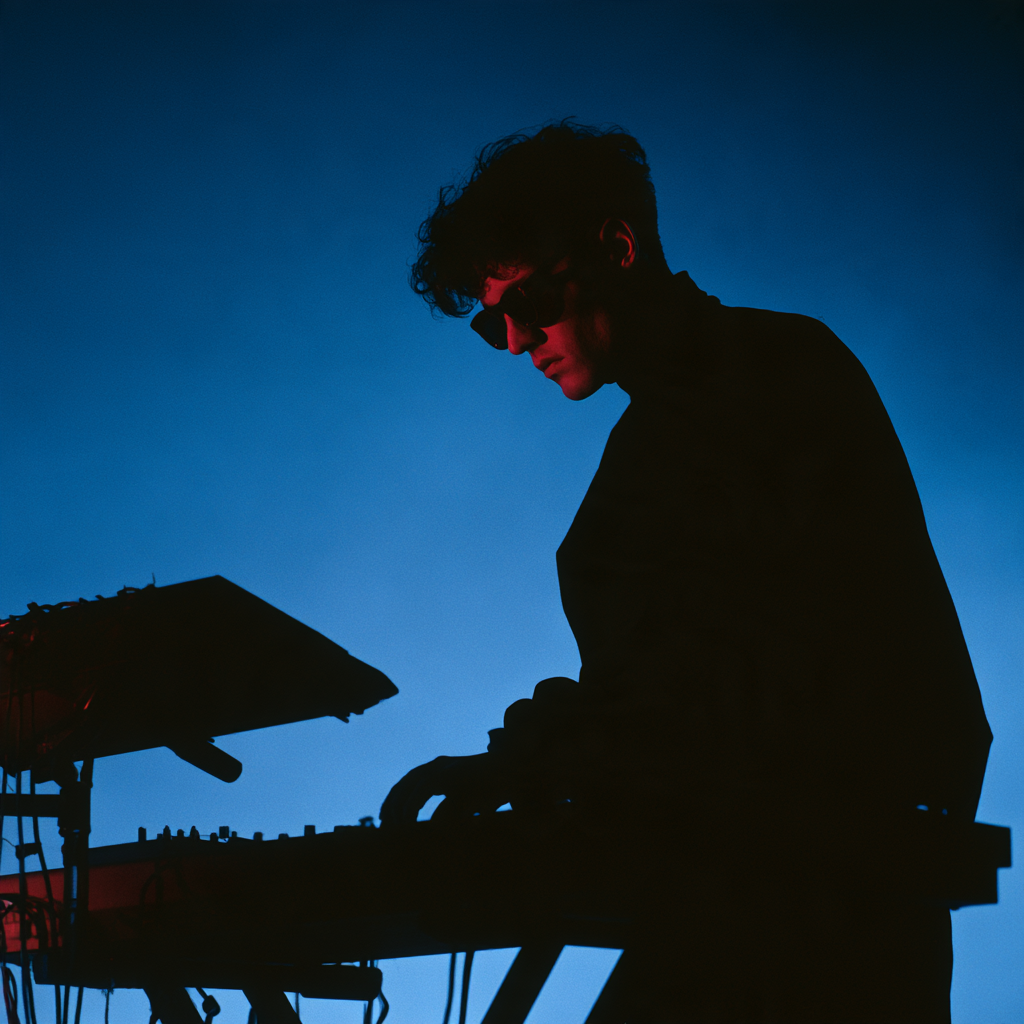
What Is Darkwave? 15 Essential Songs and Artists for Beginners
Darkwave is a style of atmospheric alternative music combining influences from post-punk, gothic rock and electronic new wave.
Its sound frequently includes synthesizers, drum machines, deep vocals and melancholy melodies.
But darkwave isn’t simply slow, sad electronic music.
Many recordings are strongly danceable.
The rhythm can be energetic even when the atmosphere is unsettling.
Artists including Clan of Xymox, Lebanon Hanover, Boy Harsher, Twin Tribes and Molchat Doma have helped establish different generations of the sound.
The style has also reached new audiences through internet music communities and contemporary alternative pop.
Here are fifteen recordings worth discovering.
Where did darkwave originate?
During the late 1970s and 1980s, alongside the development of post-punk and gothic rock.
Musicians began combining darker emotional themes with synthesizers and electronic rhythms.
Some recordings retained prominent guitars.
Others moved towards electronic production.
The term developed as a way of describing music connected with the darker side of new wave.
It eventually became associated with several overlapping scenes rather than one strictly defined genre.
1. Clan of Xymox – A Day
One of the essential starting points.
Released during the band’s early period, “A Day” combines electronic rhythm with a distinctive gothic atmosphere.
The production is restrained but emotionally powerful.
Clan of Xymox became one of the defining groups associated with darkwave.
Their music provides a particularly useful connection between 1980s post-punk and the later electronic-goth scene.
2. Lebanon Hanover – Gallowdance
A defining modern darkwave recording.
Lebanon Hanover combine minimalist electronic production with distinctive vocals and a cold, restrained atmosphere.
“Gallowdance” has a powerful rhythm.
But the music feels emotionally detached.
That contradiction is central to darkwave’s appeal.
The track is an excellent introduction for listeners discovering the genre through online videos and contemporary playlists.
3. Boy Harsher – Pain
A more dance-oriented recommendation.
Boy Harsher combine dark synthesizers with a powerful electronic rhythm.
“Pain” has an immediate club character.
The vocal is restrained.
The production is repetitive and hypnotic.
It’s particularly suitable for listeners who enjoy dark electronic pop rather than guitar-oriented gothic rock.
4. Molchat Doma – Судно (Sudno)
One of the most internationally recognisable contemporary post-punk recordings.
The Belarusian group combines synthesizers, drum machines and deep vocals.
“Sudno” has a stark atmosphere.
Its popularity through online culture helped introduce many younger listeners to the wider darkwave and coldwave scenes.
It’s an essential modern reference point.
5. She Past Away – Kasvetli Kutlama
A powerful Turkish darkwave recording.
The group combines post-punk guitar with dark electronic production.
The vocals have a distinctive restrained character.
It’s an excellent recommendation for listeners interested in the more guitar-oriented side of the genre.
6. Drab Majesty – Cold Souls
A more atmospheric choice.
Drab Majesty combine gothic influences with dreamlike synthesizers and guitar textures.
“Cold Souls” is particularly melodic.
It’s an excellent example of darkwave becoming emotionally expansive without losing its characteristic distance.
7. Twin Tribes – Shadows
A modern gothic-electronic favourite.
Twin Tribes combine synthesizers with prominent guitar and bass.
“Shadows” has a strong sense of rhythm.
Its atmosphere connects naturally with earlier darkwave recordings while maintaining a contemporary production character.
8. The Cure – A Forest
An essential precursor.
The Cure helped establish the darker musical language from which gothic rock and darkwave developed.
“A Forest” combines a hypnotic bassline with atmospheric guitar and restrained vocals.
It’s an excellent example of music that sounds mysterious without requiring elaborate production.
9. Mareux – The Perfect Girl
A more contemporary electronic recommendation.
Mareux reinterpreted a song originally associated with The Cure.
His version combines dark synthesizers with a memorable electronic rhythm.
The recording became particularly recognisable through online videos.
It’s a useful example of older gothic influences gaining new audiences through contemporary production.
10. Cocteau Twins – Wax and Wane
An atmospheric early recording.
Cocteau Twins developed a musical identity involving unusual vocals and textured guitars.
Their early work has strong connections with darkwave and gothic post-punk.
“Wax and Wane” is an excellent example of the darker side of their catalogue.
11. The KVB – Always Then
A dark, repetitive electronic-rock recording.
The KVB combine post-punk guitars with electronic rhythm and atmospheric vocals.
“Always Then” has a strong hypnotic character.
It’s particularly suitable for listeners interested in the relationship between darkwave and shoegaze.
12. Selofan – Give Me a Reason
A theatrical electronic-goth recommendation.
Selofan combine dark synthesizers with expressive vocals.
The production has a distinctly retro atmosphere.
It’s an excellent example of contemporary artists drawing from the musical traditions established during the 1980s.
13. TR/ST – Sulk
A more electronic and club-oriented recording.
TR/ST combines dark synthesizer arrangements with an unusual vocal personality.
“Sulk” is energetic and atmospheric.
It’s suitable for listeners attracted to darkwave through the wider alternative electronic-pop scene.
14. Dead Can Dance – The Host of Seraphim
An atmospheric companion rather than conventional club-oriented darkwave.
Dead Can Dance became associated with gothic and ethereal music.
Their recordings frequently explore unusual instrumentation and vocal styles.
This composition demonstrates the more expansive, almost ceremonial side of the wider darkwave tradition.
15. Boy Harsher – Fate
Finish with another contemporary favourite.
“Fate” combines dark electronic production with a strong rhythm.
It’s particularly suitable for listeners who want to understand why the genre has developed a dedicated modern club audience.
The music is cold and danceable simultaneously.
Is darkwave the same as gothic rock?
No, although the genres overlap.
Gothic rock frequently uses conventional rock instrumentation, particularly guitar, bass and drums.
Darkwave often places greater emphasis on synthesizers and electronic rhythm.
But the distinction isn’t absolute.
Many artists move between the two styles.
It’s more useful to think of them as related musical traditions than completely separate categories.
Is darkwave the same as synth-pop?
Not exactly.
Synth-pop is a much broader genre built around electronic instruments.
Darkwave generally uses a more melancholy or unsettling emotional atmosphere.
The rhythms can also be more minimal and repetitive.
That said, some recordings comfortably belong to both genres.
A dark electronic pop song doesn’t automatically become darkwave simply because it uses synthesizers.
Its musical influences and cultural connections matter.
Why has darkwave become popular again?
The genre has reached new audiences through online music discovery.
Artists such as Boy Harsher, Molchat Doma, Mareux and Twin Tribes have developed international followings.
Contemporary pop performers have also borrowed darker synthesizer textures.
The style works particularly well in short-form videos because its atmosphere becomes recognisable immediately.
But its popularity isn’t only an internet phenomenon.
The genre also has established club communities and live audiences.
Is darkwave connected with electroclash?
There are overlaps through synthesizers, electronic rhythm and alternative club culture.
But electroclash is often more playful and deliberately provocative.
Darkwave generally emphasises melancholy and atmospheric intensity.
Radar’s guide to electroclash and its essential tracks provides a useful comparison.
The two scenes can share audiences without sounding identical.
Which three songs should beginners hear first?
Start with Clan of Xymox’s “A Day”.
Then Lebanon Hanover’s “Gallowdance”.
Finish with Boy Harsher’s “Pain”.
Those three demonstrate darkwave’s historical foundations, minimalist modern sound and club-oriented direction.
What is darkwave?
A dark, atmospheric musical tradition combining post-punk, gothic rock and electronic new wave.
Its artists frequently use deep vocals, synthesizers, repetitive rhythms and melancholy melodies.
The genre remains appealing because it combines emotional distance with physical energy.
The music can sound cold.
But it can also make you want to dance.