What Does “Groove Is in the Heart” Sample? Every Famous Source Explained
Deee-Lite’s “Groove Is in the Heart” is built from an extraordinary collection of musical influences and samples.
The most famous is a bassline taken from “Bring Down the Birds” by Herbie Hancock.
But that’s only the beginning.
The recording also incorporates material connected with Vernon Burch and other older recordings.
And one of its strangest vocal sounds has been traced to the classic American television programme Green Acres.
The result became one of the most recognisable dance songs of 1990.
It also demonstrates how creative sampling can transform older recordings into something completely different.
If you’ve ever wondered why the song sounds so unusual, the answer lies partly in the incredible variety of music hidden inside it.
Who are Deee-Lite?
An American dance-music group formed in New York.
The principal members were:
Lady Miss Kier
Super DJ Dmitry
Towa Tei.
Their music combined:
house
funk
disco
hip-hop
and electronic dance production.
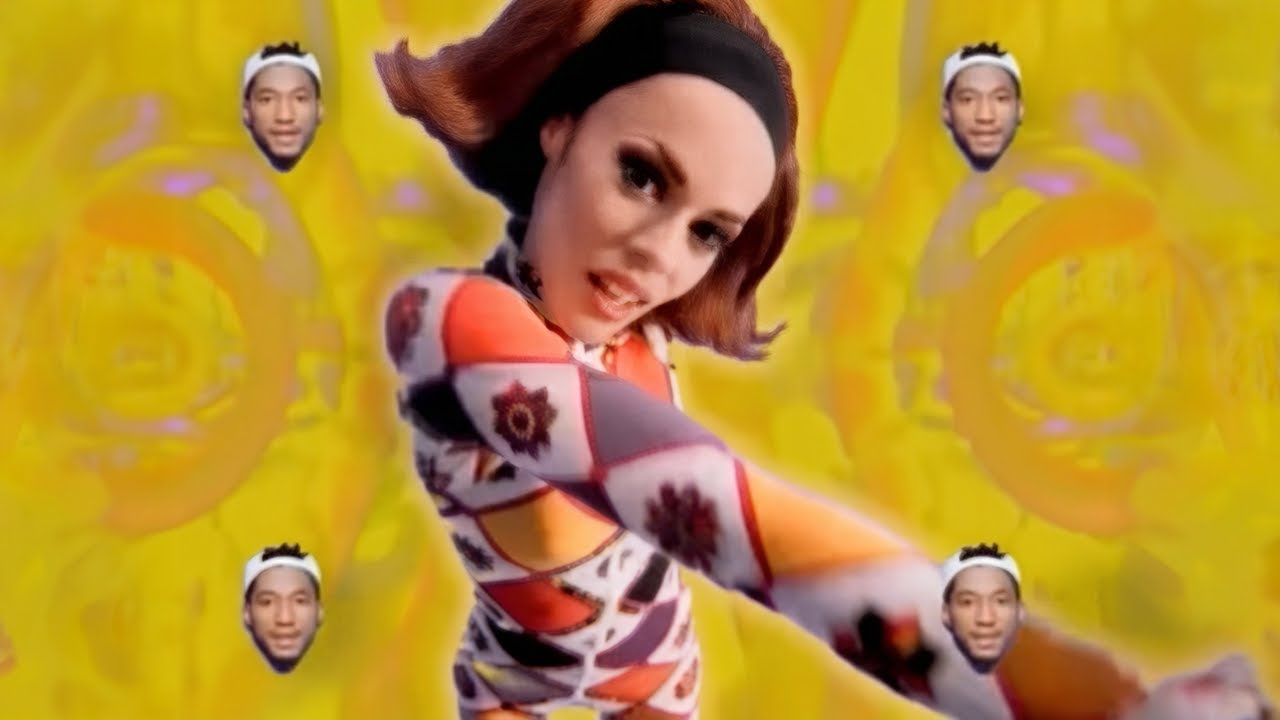
The group were also known for their colourful visual identity.
Their costumes and videos frequently referenced psychedelic fashion and retro-futuristic design.
That combination helped distinguish them from conventional pop groups.
When was “Groove Is in the Heart” released?
The recording appeared on Deee-Lite’s debut album World Clique.
It became an international hit.
In Britain, it reached No. 2 on the singles chart.
The recording was particularly successful because it combined dancefloor production with an enormous sense of personality.
The rhythm was infectious.
The vocal was playful.
And the arrangement contained enough unusual details to remain interesting after repeated listens.
What is the main bassline sample?
“Bring Down the Birds” by Herbie Hancock.
The original recording appeared during the 1960s.
Hancock is one of the most important figures in modern jazz.
His work combines traditional jazz musicianship with a long history of experimentation.
“Bring Down the Birds” contains a distinctive bassline.
Deee-Lite recognised its potential.
The musical idea became one of the central ingredients of “Groove Is in the Heart”.
Listen to the original and you’ll hear the connection almost immediately.
Why is the Herbie Hancock connection surprising?
Because the two recordings belong to different musical worlds.
Hancock’s composition emerged from the sophisticated instrumental environment of 1960s jazz and film music.
Deee-Lite were creating electronic dance-pop during 1990.
The original musical phrase moves between those worlds almost effortlessly.
That’s one of the most interesting things about sampling.
The producer doesn’t necessarily need to use the older recording in its original context.
A small musical fragment can become the foundation of something entirely new.
What other music does Deee-Lite sample?
Vernon Burch’s “Get Up” is another important source.
The recording contributes rhythmic material associated with the song’s drum production.
Burch was an American funk and soul musician.
His work belongs to a different musical environment from Hancock’s.
But Deee-Lite combine those ingredients into one coherent groove.
That is the real achievement.
The samples don’t sound like unrelated fragments.
They sound as though they were always supposed to belong together.
Is there really a Green Acres sample?
Yes.
Sample researchers have identified a small vocal fragment connected with the American television programme Green Acres.
The programme originally aired during the 1960s.
Its theme featured performers including Eva Gabor.
Deee-Lite transformed a short vocal sound into part of the recording’s playful musical texture.
It’s the kind of detail most listeners would never recognise independently.
Once you know the connection, the production becomes even more entertaining.
An obscure piece of television audio becomes part of an enormous international dance hit.
Who is Bootsy Collins?
A legendary American funk bassist and performer.
Collins became famous through his work with James Brown and Parliament-Funkadelic.
His musical personality is distinctive.
Colourful.
Playful.
Technically sophisticated.
And completely committed to rhythm.
He appears on “Groove Is in the Heart” and brings an important connection with classic funk.
That gives the recording another layer of musical history.
It’s not simply a group of younger producers borrowing from older musicians.
An influential funk performer is participating directly.
Who is the rapper?
Q-Tip.
He was a member of A Tribe Called Quest.
The group became one of the most influential acts in alternative hip-hop.
Their music combined:
jazz samples
thoughtful songwriting
and sophisticated rhythmic production.
Q-Tip’s contribution to Deee-Lite’s recording is particularly effective because it feels playful rather than overly serious.
The collaboration connects house, funk and hip-hop naturally.
What does “Groove Is in the Heart” actually mean?
That rhythm and music create emotional connection.
The song isn’t primarily concerned with a complicated romantic narrative.
Instead, it celebrates the physical and emotional pleasure of music.
The groove becomes almost a metaphor for feeling alive.
That makes the recording particularly suitable for dancing.
The music isn’t simply describing enjoyment.
It’s creating it.
The rhythm is central to the message.
Why does the song sound so psychedelic?
Because the production combines older influences with unusual electronic effects.
There are elements associated with:
1960s psychedelia
1970s funk
1980s house
and early-1990s hip-hop.
The visual presentation reinforces that combination.
Bright colours.
Unusual costumes.
Playful animation.
The result feels deliberately disconnected from ordinary realism.
Deee-Lite created an entire musical and visual world.
Is “Groove Is in the Heart” house music?
Yes.
But the recording also contains considerable funk and hip-hop influence.
House provides much of its rhythmic foundation.
The sampled bassline creates another musical connection.
Q-Tip’s rap adds hip-hop.
Bootsy Collins contributes the funk tradition.
That makes the recording a particularly good example of dance music crossing genre boundaries.
Trying to describe it through only one category misses much of the point.
Did the song influence later music?
Yes.
Its combination of sampling, dance production and playful presentation became influential.
The recording also helped establish the potential for house-influenced music to succeed internationally as mainstream pop.
Deee-Lite demonstrated that a dance track could sound experimental and still become a major hit.
That opened another route for musicians interested in combining different genres.
Songs like “Groove Is in the Heart”
Try:
Deee-Lite – Power of Love
Chic – Good Times
A Tribe Called Quest – Can I Kick It?
Jamiroquai – Cosmic Girl
Crystal Waters – Gypsy Woman
CeCe Peniston – Finally
C+C Music Factory – Gonna Make You Sweat
Basement Jaxx – Red Alert
These recordings connect with different parts of Deee-Lite’s musical identity.
Why is the original Herbie Hancock recording worth hearing?
Because it reveals how much musical history can exist inside a short sample.
You hear the bassline in Hancock’s recording.
Then return to Deee-Lite.
The musical phrase is recognisable.
But its purpose has changed.
It now supports a completely different rhythm, vocal and cultural identity.
That’s one of sampling’s most interesting creative possibilities.
What does “Groove Is in the Heart” sample?
The most famous source is Herbie Hancock’s “Bring Down the Birds”.
The recording also incorporates material associated with Vernon Burch and other earlier sources, including a surprising television-vocal fragment.
Bootsy Collins and Q-Tip contribute additional musical personalities.
The result is far more than a collection of borrowed sounds.
It’s a complete dance record with its own identity.
And one of the most entertaining examples of how several generations of popular music can meet inside one song.