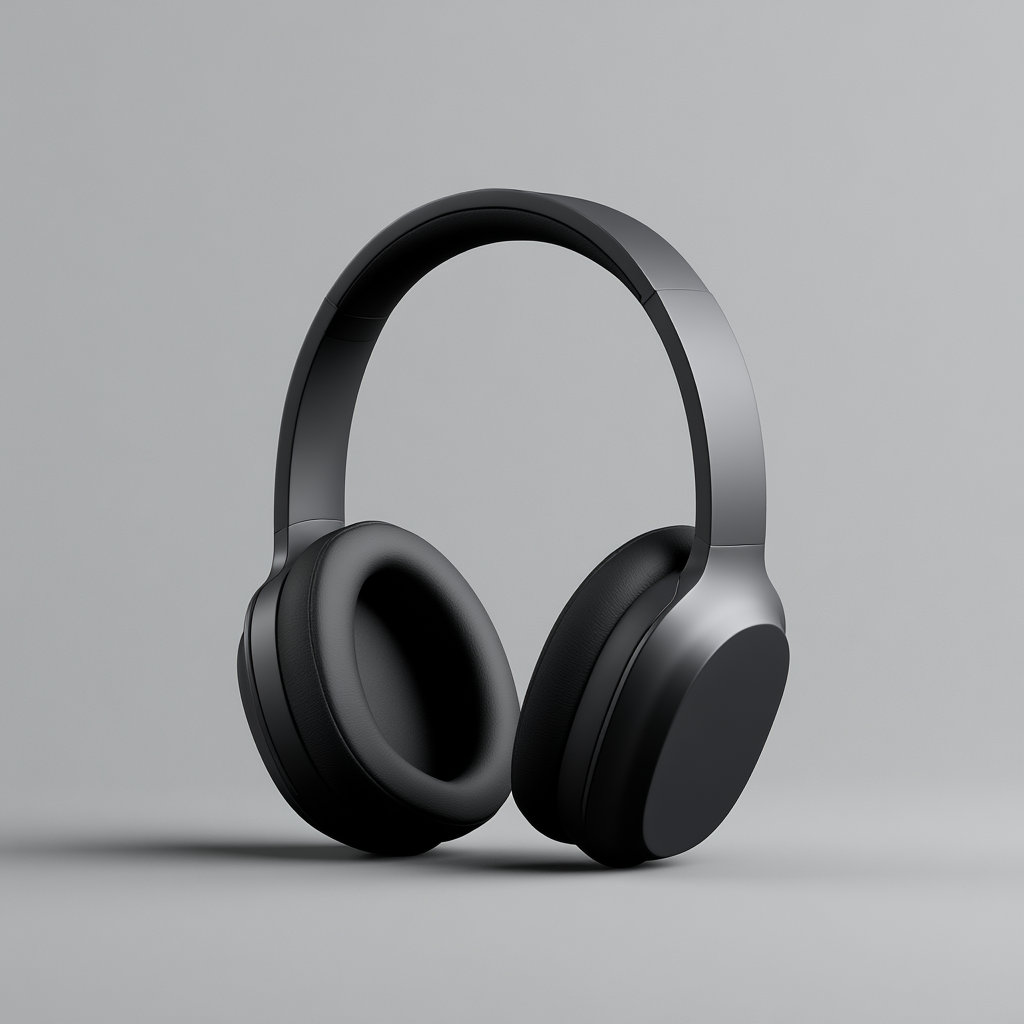
How Do Noise Cancelling Headphones Work? Active Noise Cancellation Explained
Noise cancelling headphones have become incredibly popular for travelling, working, studying and simply listening to music without distractions.
But how do noise cancelling headphones work?
The short answer is that active noise cancelling headphones use microphones to listen to the sounds around you, then generate an opposing sound wave designed to reduce the amount of external noise that reaches your ears.
It sounds complicated, but the basic science behind it is relatively simple.
Here’s how noise cancelling headphones work and what actually happens when you switch ANC on.
What is noise cancellation?
Noise cancellation is a technology designed to reduce unwanted sounds around the listener.
There are actually two main ways headphones can block external noise:
- Passive noise cancellation
- Active noise cancellation
Most headphones provide some level of passive isolation simply because the ear cups or earbuds physically block sound.
Active noise cancellation goes considerably further by electronically reducing background noise.
This technology is commonly shortened to ANC, meaning Active Noise Cancellation.
How do noise cancelling headphones work?
Active noise cancelling headphones contain small microphones that continuously monitor the sounds around you.
The headphones then analyse those sounds and create another sound wave with an opposite waveform.
When the two sound waves meet, they partially cancel each other out.
This process is known as destructive interference.
The result is that less of the unwanted background noise reaches your ears.
Your headphones aren’t literally removing sound from the environment. Instead, they are producing additional sound specifically designed to counteract the noise that would otherwise reach you.
How does active noise cancellation work?
Imagine a sound wave travelling towards you.
That wave has peaks and troughs.
If your headphones generate another wave at roughly the same volume but with the peaks and troughs reversed, the two waves interfere with each other.
A simplified version looks like this:
Background sound wave:
Peak → Trough → Peak → Trough
Noise-cancelling wave:
Trough → Peak → Trough → Peak
When they combine, the total sound becomes significantly quieter.
The headphones have to calculate and reproduce this opposing signal extremely quickly, which is why modern ANC headphones include dedicated electronics and digital signal processing.
Why do noise cancelling headphones have microphones?
Microphones are an essential part of active noise cancellation.
Tiny microphones positioned inside or outside the headphones monitor environmental noise.
For example, if you’re sitting on an aeroplane, the microphones might detect the continuous low-frequency hum of the engines.
The headphones then process that sound and create an opposing signal through the speakers.
Some headphones use multiple microphones to improve the accuracy of the noise cancellation.
Depending on the design, these microphones may listen to sound outside the headphones, inside the ear cup or both.
Feedforward vs feedback noise cancellation
There are several different ways manufacturers implement active noise cancellation.
Feedforward ANC
With feedforward noise cancellation, microphones are positioned on the outside of the headphones.
They detect environmental sounds before those sounds reach your ears.
The headphones then generate an opposing sound wave.
This approach can react quickly to outside noise, although factors such as wind can sometimes affect microphone performance.
Feedback ANC
With feedback noise cancellation, the microphone sits inside the ear cup closer to your ear.
It monitors what the listener is actually hearing and adjusts the noise cancellation accordingly.
This can help the headphones compensate for differences in fit and positioning.
Hybrid ANC
Many premium noise cancelling headphones use hybrid noise cancellation.
This combines microphones both inside and outside the headphones.
The headphones can therefore measure environmental noise while also monitoring how much of that noise actually reaches the listener.
What sounds do noise cancelling headphones block?
Active noise cancellation tends to work particularly well against continuous, predictable sounds.
Examples include:
- Aeroplane engines
- Train noise
- Bus engines
- Air conditioning
- Fans
- Computer equipment
- Low-frequency traffic noise
- General background hum
These sounds are relatively consistent, making it easier for the headphones to predict and counteract their sound waves.
This is one reason noise cancelling headphones are particularly popular with frequent travellers.
Can noise cancelling headphones block voices?
Noise cancelling headphones can reduce voices, but they generally don’t eliminate them completely.
Human speech changes rapidly in frequency, volume and direction.
That makes conversation considerably harder for ANC systems to cancel than the steady hum of an aeroplane engine.
Modern noise cancellation technology has become increasingly effective at reducing voices and other unpredictable noises, but you’ll normally still hear at least some speech.
Passive isolation from the headphone itself also plays an important role here.
Active noise cancellation vs passive noise cancellation
Active and passive noise cancellation work in completely different ways.
Passive noise cancellation
Passive noise cancellation simply creates a physical barrier between your ear and the outside environment.
For example, over-ear headphones may use thick ear cushions to prevent external sound from entering.
In-ear headphones can achieve a similar effect by creating a seal inside the ear canal.
No electronic processing is required.
Active noise cancellation
Active noise cancellation uses microphones, processors and speakers to electronically reduce unwanted sounds.
The best noise cancelling headphones typically combine both technologies.
A good physical seal reduces higher-frequency sounds, while ANC handles much of the low-frequency background noise.
Does noise cancelling affect music quality?
It can.
When ANC is activated, the headphones are processing both the music and environmental sounds in real time.
Poorly designed noise cancellation systems can slightly alter the frequency response of the headphones.
For example, you might notice changes to bass or overall sound character when switching ANC on and off.
However, manufacturers increasingly tune headphones specifically around their ANC systems.
On well-designed modern headphones, the difference can be relatively small.
Why does noise cancelling sometimes feel strange?
Some people describe a feeling of pressure when using strong active noise cancellation.
The headphones aren’t actually changing the air pressure around your ears.
Instead, removing a large amount of low-frequency sound can create a sensation that feels similar to the pressure changes experienced during air travel.
Most listeners quickly become accustomed to the sensation.
Some headphones also allow you to adjust the strength of ANC if you find maximum noise cancellation uncomfortable.
Do noise cancelling headphones work without music?
Yes.
Active noise cancellation can operate even when you’re not playing music.
You could therefore wear ANC headphones simply to reduce background noise while:
- Working
- Reading
- Travelling
- Studying
- Sleeping on a flight
The microphones and noise cancellation system continue operating regardless of whether music is playing.
However, the headphones normally need battery power for ANC to function.
Do noise cancelling headphones need batteries?
Active noise cancellation requires electricity.
Wireless headphones usually power their ANC systems using the same rechargeable battery that powers Bluetooth connectivity.
Some wired noise cancelling headphones also contain batteries specifically for ANC.
When the battery runs out, certain headphones may continue working as standard passive headphones, but active noise cancellation will usually stop.
What is transparency mode?
Many modern noise cancelling headphones also include something known as transparency mode, ambient mode or hear-through mode.
This essentially does the opposite of noise cancellation.
Instead of trying to remove external sound, the microphones intentionally capture sounds around you and play them through the headphones.
This allows you to hear your surroundings without removing your headphones.
Transparency mode can be particularly useful when:
- Walking around a city
- Talking to someone
- Hearing public transport announcements
- Waiting at an airport
- Exercising outdoors
Some headphones automatically switch between ANC and transparency modes depending on your environment.
Are noise cancelling headphones safe?
Noise cancelling technology itself is generally designed to reduce the amount of environmental sound reaching the listener.
One potential advantage is that users may not feel the need to turn their music up as loudly in noisy environments.
Without noise cancellation, someone sitting on a loud train might increase their headphone volume simply to hear the music over the background noise.
ANC can make music easier to hear at lower playback volumes.
Regardless of the headphones being used, listening volume and duration remain important considerations when protecting your hearing.
Do noise cancelling headphones completely block sound?
No.
Even the best active noise cancelling headphones cannot create complete silence.
ANC is particularly effective against certain frequencies and steady noises but is less effective against sudden or unpredictable sounds.
You might still hear things such as:
- People speaking nearby
- Doors closing
- Dogs barking
- Car horns
- Keyboard typing
- High-frequency sounds
A combination of good headphone isolation and effective ANC generally produces the strongest overall reduction in background noise.
Are noise cancelling headphones worth it?
Whether noise cancelling headphones are worth buying depends largely on where you use them.
They can be particularly useful if you regularly:
- Fly
- Commute by train
- Work in noisy offices
- Study in public spaces
- Travel frequently
- Listen to music around background noise
If you mainly listen to music at home in a quiet room, active noise cancellation might be less important.
For frequent travellers and commuters, however, ANC can make a substantial difference.
Frequently asked questions
How do noise cancelling headphones work?
Noise cancelling headphones use microphones to detect surrounding noise and then generate an opposing sound wave. When the waves combine, they partially cancel each other through a process called destructive interference.
What does ANC mean?
ANC stands for Active Noise Cancellation.
It refers to electronic technology used by headphones and earbuds to reduce external noise.
How does noise cancellation work?
Microphones monitor environmental noise while processors calculate an opposing signal. The headphone speakers then reproduce that signal to reduce the amount of background sound reaching the listener.
Do noise cancelling headphones block all noise?
No. They are most effective against steady low-frequency sounds such as engines, fans and air conditioning. Sudden noises and human voices can be harder to remove completely.
Can noise cancelling headphones work without music?
Yes. ANC can continue reducing environmental noise even when no music or audio is playing.
Do noise cancelling headphones protect your hearing?
ANC can make it easier to listen at lower volumes in noisy environments, but noise cancelling headphones aren’t a substitute for proper hearing protection when exposed to dangerously loud sounds.
So, how do noise cancelling headphones actually work?
The technology behind noise cancelling headphones comes down to a surprisingly simple idea.
Listen to the unwanted sound, create an opposing sound wave and combine the two.
Behind the scenes, however, modern headphones perform this process thousands of times every second using microphones, processors and sophisticated algorithms.
The result is technology that can dramatically reduce the hum of engines, trains, air conditioning and other background noise.
And that makes it much easier to simply focus on the thing you actually want to hear: the music.