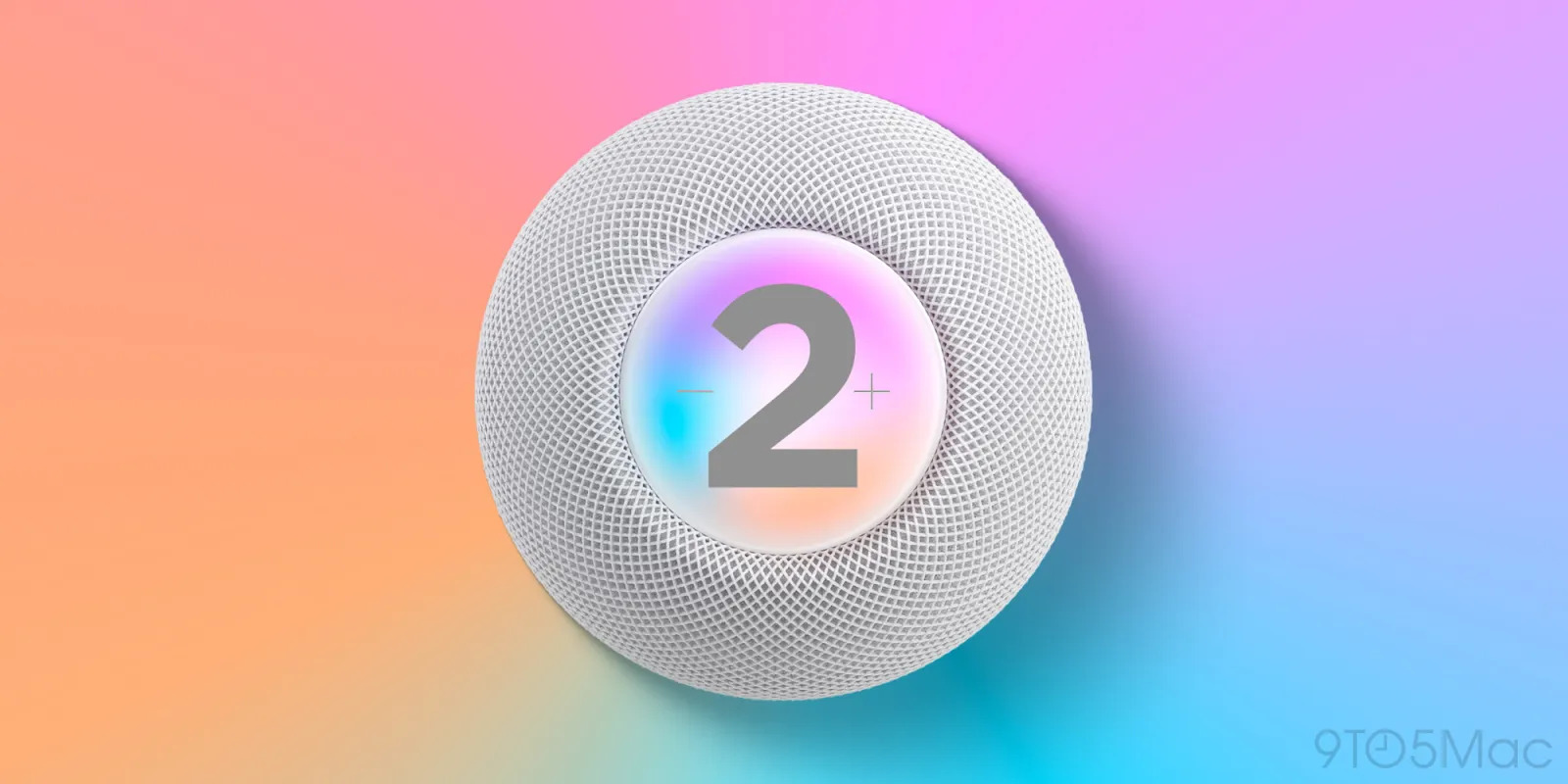
Apple HomeView vs HomePod Mini 2: Which Is Better for Music?
Apple has unveiled two new home entertainment devices: Apple HomeView and HomePod Mini 2.
Both offer voice-controlled music, improved Siri capabilities and integration with Apple’s wider ecosystem. However, they are designed for different listening experiences.
HomeView introduces a seven-inch touchscreen, built-in speakers and support for Spatial Audio with Dolby Atmos. HomePod Mini 2 builds on Apple’s compact smart speaker with enhanced audio processing, new colours and an upcoming Siri AI upgrade.
So, which should you buy if listening to music is your main priority?
Let’s compare Apple HomeView and HomePod Mini 2 across audio quality, Apple Music features, smart home functionality and price.
Apple HomeView vs HomePod Mini 2: Key Differences
Both devices were announced on 13 October 2026, but they offer different approaches to enjoying music at home.
| Feature | Apple HomeView | HomePod Mini 2 |
|---|---|---|
| Starting price (US) | $299 | $149 |
| Starting price (UK) | £299 | £149 |
| Release date | 13 November 2026 | 30 October 2026 |
| Touchscreen | 7-inch Liquid Retina | No |
| Speaker system | Multiple custom drivers, with additional bass hardware on tabletop model | Compact 360-degree speaker |
| Computational audio | Yes | Yes |
| Dolby Atmos | Officially supported | Not advertised as a standalone feature |
| Song lyrics on screen | Yes | No screen |
| Animated album artwork | Yes | Sound Glow reacts to music |
| Siri AI | Built in | Coming in a software update |
| Multiroom audio | Yes | Yes |
| Stereo pairing | Not confirmed | Yes |
The biggest difference is straightforward: HomeView is an interactive music and smart home display, while HomePod Mini 2 is a dedicated smart speaker.
Which is better depends on whether you value a screen, sound flexibility or the ability to add multiple speakers around your home.
Which Has Better Sound Quality?
Sound quality is an important consideration when comparing the two devices.
Apple HomeView features a custom-engineered speaker system designed to deliver room-filling sound.
The tabletop model includes two full-range drivers built into the display, a down-firing woofer and two force-cancelling passive radiators in its base.
Apple uses computational audio to adjust the speaker’s sound in real time, helping manage bass response and loudness.
HomePod Mini 2 takes a different approach.
It features 360-degree sound designed to distribute music around a room, with Apple’s S10 chip powering real-time computational audio processing.
Apple says this improves dynamic range, loudness and acoustic performance.
Does HomeView have better bass?
HomeView’s tabletop model includes dedicated bass hardware, which could give it an advantage in low-frequency reproduction.
However, speaker specifications alone don’t establish which product sounds better.
The acoustic design, tuning, room placement and listening volume all influence the result.
HomePod Mini 2’s compact 360-degree design may also make it better suited to certain positions.
Until both devices have been tested side by side, it isn’t possible to give a definitive sound quality winner.
What about the wall-mounted HomeView?
The wall-mounted HomeView has a different speaker configuration from the tabletop version.
It uses two custom full-range drivers with computational audio tuned specifically for wall placement.
It doesn’t include the same dedicated woofer and passive radiator system listed for the tabletop version.
As a result, buyers interested primarily in music should consider which HomeView model they’re choosing rather than assuming both have identical audio hardware.
Does Apple HomeView Support Dolby Atmos?
Yes. One of HomeView’s biggest audio advantages is its officially confirmed support for Spatial Audio with Dolby Atmos.
Spatial Audio is designed to create a more immersive listening experience with compatible recordings.
Instead of presenting everything as a conventional left-right stereo mix, Dolby Atmos allows supported music to be mixed with a greater sense of space.
Apple Music offers a catalogue of music available in Dolby Atmos, making HomeView particularly interesting for subscribers.
Apple has confirmed Spatial Audio support for both tabletop and wall-mounted HomeView models.
HomePod Mini 2, meanwhile, is promoted for its 360-degree sound, computational audio and expanded home theatre capabilities.
Apple has not advertised the Mini 2 as an independent Dolby Atmos music speaker in its launch announcement.
That distinction makes HomeView the more clearly documented choice for listeners specifically seeking Spatial Audio with Dolby Atmos from a single new device.
Read our Apple HomeView Spatial Audio guide for a closer look.
Apple Music: HomeView Has the Advantage of a Screen
One of HomeView’s most appealing features is its built-in Music app.
Its seven-inch Liquid Retina touchscreen lets listeners enjoy album artwork, lyrics and music controls in a way that isn’t possible on a speaker without a screen.
Apple also supports animated album artwork, giving music a more visual presence in the room.
Imagine placing HomeView on your kitchen counter while cooking.
You could listen to your favourite album while seeing the artwork and following lyrics directly on the display.
That’s something HomePod Mini 2 cannot reproduce on its own.
Can HomePod Mini 2 show album artwork?
HomePod Mini 2 doesn’t have a conventional display, but Apple has introduced a feature called Sound Glow.
This uses the speaker’s illuminated top surface to react to music.
The lighting responds to bass and treble, while album artwork can influence the colour of the visual effect.
This is an interesting addition for listeners who like atmosphere and ambient lighting.
However, Sound Glow is different from having a touchscreen capable of displaying detailed album artwork or lyrics.
If you enjoy interacting visually with music, HomeView is the obvious winner.
HomePod Mini 2 Is Better for Stereo Speaker Setups
One area where HomePod Mini 2 has a clear advantage is stereo pairing.
Apple confirms that two HomePod Mini 2 speakers can be combined into a stereo pair, providing a more traditional two-speaker listening arrangement.
A pair can create greater separation between left and right audio channels, potentially offering a more convincing stereo presentation than a single compact speaker.
At US launch prices, two HomePod Mini 2 speakers cost $298, almost exactly the price of one $299 HomeView.
That creates an interesting choice.
Would you rather have a single smart display with built-in speakers, or two speakers designed to work together as a stereo system?
For people who sit and listen closely to music, a stereo pair could be particularly appealing.
Apple has not confirmed equivalent stereo pairing functionality between two HomeView devices, so that shouldn’t be assumed.
HomePod Mini 2 Can Also Support Four-Speaker Surround Sound
Apple has announced a new home theatre feature for HomePod Mini 2.
When combined with the fourth-generation Apple TV 4K, supported HomePod speakers can be used in a four-speaker surround sound arrangement.
Apple says the system can identify speaker positions and automatically adjust timing and audio levels.
This makes HomePod Mini 2 more versatile for listeners who also enjoy television and movies.
The system can include compatible matching front and rear speaker pairs, including supported second-generation HomePods.
It’s important to distinguish this from ordinary AirPlay multiroom audio.
Multiroom playback sends music around different rooms, while a surround sound system creates a coordinated arrangement intended for entertainment in one space.
HomeView supports multiroom AirPlay, but Apple has not announced it as a component of this particular four-speaker home theatre configuration.
Which Has Better Siri Features?
Both devices are designed around Apple’s new Siri AI assistant.
The upgraded Siri is intended to provide more natural conversations, broader knowledge and improved music discovery.
However, there is an important difference at launch.
HomeView arrives with Siri AI as a central feature, while Apple says Siri AI will come to HomePod Mini 2 through a future software update.
HomeView also has a screen that allows information to be displayed alongside spoken responses.
For example, a music-related question could potentially be more useful when visual information can accompany the answer.
HomeView recognises up to six household members using facial recognition.
HomePod Mini 2 uses voice recognition to personalise experiences for different users.
Both can benefit from access to personal information through compatible Apple Intelligence-enabled devices, subject to Apple’s requirements.
HomeView may therefore be more appealing to households wanting a shared, interactive interface.
Which Is Better for Multiroom Music?
Both devices support multiroom listening through Apple’s audio ecosystem.
HomeView can work alongside HomePod speakers, additional HomeView devices and AirPlay-compatible products.
HomePod Mini 2 also supports multiroom audio.
This means buyers don’t necessarily need to choose one product exclusively.
For example, a household could have a HomeView in the kitchen, HomePod Mini 2 speakers in bedrooms and a larger HomePod in the living room.
Together, they could create an expandable home audio system.
If you simply want affordable speakers in several rooms, HomePod Mini 2 provides a less expensive starting point.
If you also want a central display for interacting with music and controlling your home, HomeView becomes more attractive.
Which Is Better Value for Money?
HomeView starts at £299 or $299.
HomePod Mini 2 costs £149 or $149.
That makes HomeView approximately twice the price of a single Mini 2.
For the additional money, HomeView includes a touchscreen, camera, a more elaborate tabletop speaker system and additional interface features.
It’s effectively a different category of product.
HomePod Mini 2 focuses on audio, voice control and smart home functionality in a smaller, more affordable package.
For music-first buyers, the most interesting comparison may be two HomePod Mini 2 speakers versus one HomeView.
A stereo pair makes sense for someone focused on listening to albums in a dedicated space.
HomeView makes more sense for someone wanting a device that combines music, lyrics, communication and home controls.
Which Should You Buy?
Choose Apple HomeView if you want a dedicated screen for Apple Music, enjoy following lyrics, want officially supported Spatial Audio and would also use its other smart home features.
Choose HomePod Mini 2 if you’re primarily looking for a compact music speaker, prefer a lower price or want to build a stereo or multiroom speaker system.
For a household already using Apple products, there’s also a case for combining both.
HomeView can become a shared display in a central room, while HomePod Mini 2 speakers extend music into other spaces.
Frequently Asked Questions
Is Apple HomeView louder than HomePod Mini 2?
Apple has not published directly comparable real-world loudness measurements. Independent testing will be needed.
Can two HomePod Mini 2 speakers play in stereo?
Yes. Apple supports stereo pairing with compatible HomePod Mini 2 speakers.
Does HomeView work with HomePod Mini 2?
Yes. Both devices support Apple’s multiroom audio ecosystem.
Does HomePod Mini 2 have Siri AI?
Apple says Siri AI is coming through a future software update. It isn’t advertised as available immediately at launch.
Can HomeView replace a HomePod?
For many everyday music and smart home uses, potentially. However, dedicated HomePod speakers may still be preferable for particular audio setups.
Final Verdict
Apple HomeView and HomePod Mini 2 offer two very different approaches to listening to music at home.
HomeView is the more versatile entertainment device, particularly for listeners who want album artwork, lyrics and a touchscreen alongside their music.
HomePod Mini 2 is the simpler and more affordable choice for people who primarily want speakers.
For dedicated stereo listening, two HomePod Mini 2 speakers are an especially interesting alternative to a single HomeView.
Ultimately, the best choice depends on whether your priority is interacting with music or simply enjoying the sound.