Apple HomeView Music Features: Apple Music, Spatial Audio, Lyrics and More
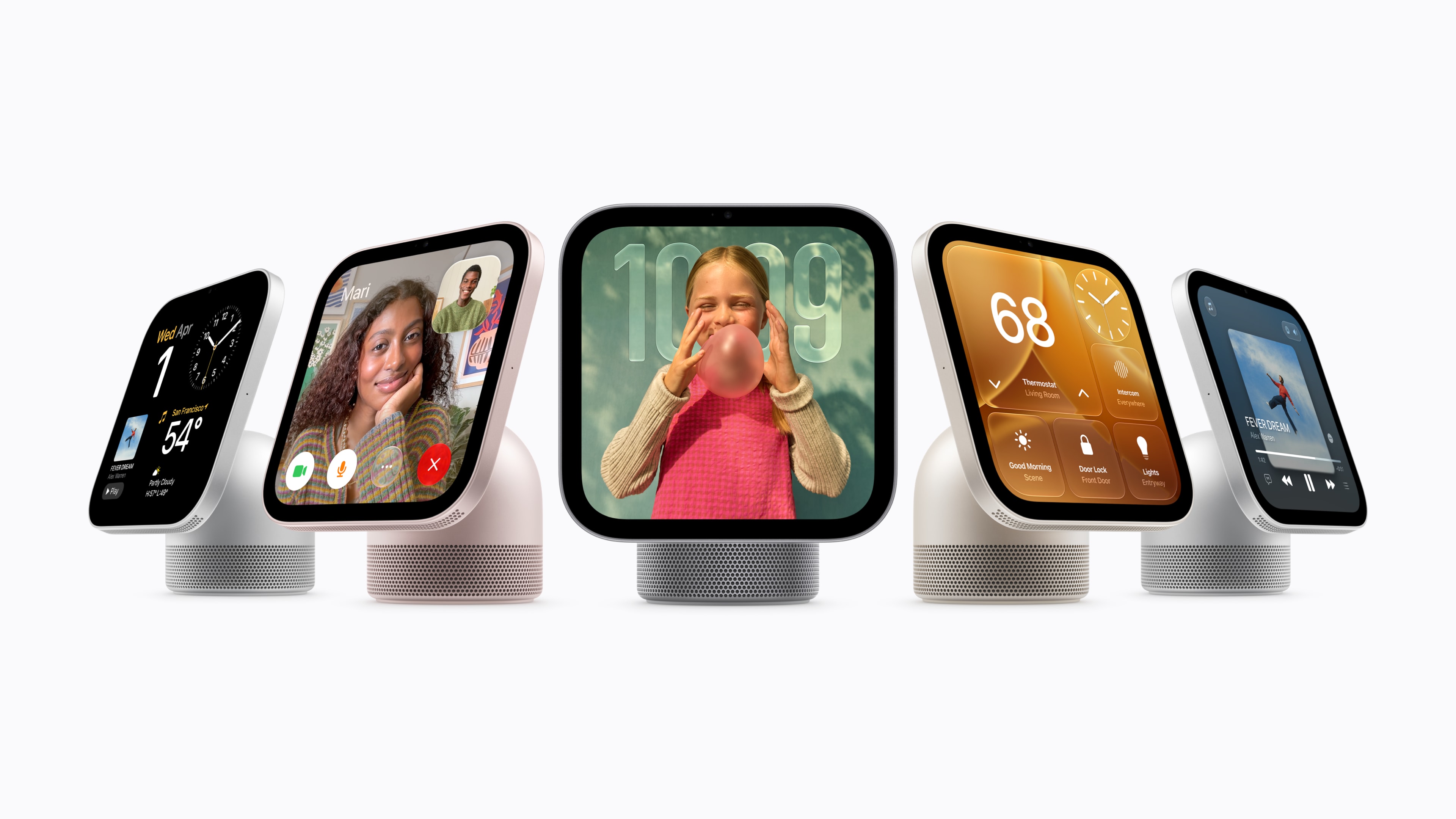
Apple has officially unveiled HomeView, its new smart home display, and music is a major part of the experience. Combining a seven-inch touchscreen with powerful speakers, Apple Music integration and a new AI-powered Siri, HomeView could change how people discover and listen to music around the house.
Announced on 13 October 2026, Apple HomeView is designed to sit on a kitchen counter, bedside table or elsewhere in the home. A wall-mounted version will also be available.
While HomeView can control smart home devices, make FaceTime calls and display useful information, its entertainment features make it particularly interesting for music fans.
From Spatial Audio and animated album artwork to voice-controlled music discovery, here’s everything you need to know about listening to music on Apple HomeView.
What Is Apple HomeView?
Apple HomeView is a smart home display that combines the functionality of a smart speaker, an interactive screen and a home automation hub.
It features a seven-inch Liquid Retina touchscreen, an A18 processor and Apple’s new Siri AI assistant. The tabletop version includes a built-in speaker system designed to deliver room-filling sound.
Unlike a traditional smart speaker, HomeView gives listeners a visual interface for browsing music, viewing album artwork and displaying song lyrics.
The device can also recognise up to six different people, giving household members personalised experiences while allowing everyone to enjoy shared music.
HomeView is available in two designs: a tabletop model with an adjustable display and domed speaker base, and a slimmer wall-mounted version.
Apple Music Comes to HomeView With Lyrics and Animated Album Artwork
One of HomeView’s biggest attractions for music fans is its integration with Apple Music.
Rather than controlling everything through voice commands or an iPhone, listeners can interact with music directly on the touchscreen.
Apple has confirmed support for album artwork, animated cover art and song lyrics. These features turn HomeView into something more visually engaging than a conventional smart speaker.
Imagine having HomeView sitting in the kitchen while preparing dinner. Instead of checking your phone to see what’s playing, you can glance at the screen to view the current song and its artwork.
Lyrics are another particularly useful addition. Whether you’re learning the words to a new song or enjoying an impromptu singalong, having lyrics displayed on a dedicated screen makes listening more interactive.
HomeView’s proximity-aware interface also adjusts how much information it displays depending on how close someone is to the device.
For people who spend a lot of time listening to music around the house, that could make HomeView a genuinely useful addition.
Does Apple HomeView Support Spatial Audio and Dolby Atmos?
Yes. Apple has confirmed that HomeView supports Spatial Audio with Dolby Atmos for music and video.
Spatial Audio is designed to create a more immersive listening experience, making supported recordings feel more spacious than traditional stereo playback.
Apple has invested heavily in Spatial Audio through Apple Music, where listeners can already explore a growing catalogue of music mixed in Dolby Atmos.
HomeView brings support for this technology into a dedicated home entertainment device.
How good are the Apple HomeView speakers?
The tabletop HomeView uses a custom-engineered audio system with two full-range drivers built into the display, alongside a down-firing woofer and two force-cancelling passive radiators in its base.
Apple also uses computational audio to adjust sound output in real time, helping maintain a consistent listening experience at different volumes.
The wall-mounted HomeView has a different speaker configuration, using two custom full-range drivers with computational audio tuned for wall placement.
Both versions support Spatial Audio, although their different speaker designs may influence how they perform in practice.
Apple’s hardware specifications are promising, but independent listening tests will be needed to establish how HomeView compares with dedicated speakers such as the HomePod.
Siri AI Could Make Discovering New Music Easier
Perhaps HomeView’s most interesting music feature is its new version of Siri.
Powered by Apple Intelligence, Siri AI is designed to understand more natural conversations and provide richer responses to questions.
For music listeners, this could make discovering songs and artists much more convenient.
Instead of searching manually through an app, users could ask conversational questions about artists, genres, albums or musical history.
For example, you might ask Siri to recommend music similar to your favourite artist, explain a genre or help find something suitable for a particular mood.
Apple specifically highlights improved music discovery as a feature of Siri AI on HomeView.
The assistant can also draw on personal context when HomeView is paired with a compatible Apple Intelligence-enabled iPhone or iPad. That includes relevant information such as Apple Music playlists.
This potentially makes the experience more personalised, although the quality of recommendations and supported requests will become clearer once the device reaches consumers.
Siri AI’s broader music knowledge is available on HomeView even without an Apple Intelligence-enabled companion device, but personal-context features require compatible hardware.
Transfer Music From Your iPhone With Handoff
Apple HomeView also supports Handoff, allowing listeners to transfer music from an iPhone to the device.
If you’re listening to a playlist on your phone while travelling home, you can continue playing it through HomeView when you arrive.
Apple says users can transfer playback by placing their iPhone in front of the HomeView display.
The same functionality extends to other supported content, including podcasts.
This makes HomeView particularly appealing for people already using Apple Music throughout the day.
Rather than manually reconnecting speakers or searching for the same playlist again, the listening experience can continue as you move between devices.
Play Music Throughout Your Home With AirPlay
HomeView isn’t limited to playing music through its own speakers.
Apple has confirmed support for multiroom audio using AirPlay, allowing HomeView to work alongside other compatible speakers.
That includes Apple’s HomePod and HomePod mini, as well as supported third-party AirPlay speakers.
For example, you could have a HomeView in your kitchen, a HomePod in the living room and another compatible speaker in a bedroom.
These devices can work together as part of a multiroom listening setup.
For households already invested in Apple’s ecosystem, HomeView offers another way to manage entertainment without needing to reach for an iPhone.
It also gives music listeners the flexibility to expand their home audio system over time.
Can You Use Spotify and Other Music Apps on Apple HomeView?
Apple Music is the most prominently featured music service on HomeView, but Apple has also confirmed support for compatible third-party audio and video apps.
According to Apple’s specifications, HomeView includes a built-in Music app and can work with supported third-party apps from an iPhone.
However, Apple has not confirmed that every major streaming service will be available with the same functionality.
Spotify users, for example, should check the service’s specific HomeView compatibility before assuming it offers the same native experience as Apple Music.
Supported apps may also have different requirements, including needing a compatible iPhone nearby.
As more developers confirm support, HomeView’s usefulness beyond Apple Music should become clearer.
Apple HomeView vs HomePod: Which Is Better for Music?
Apple already sells dedicated smart speakers, so where does HomeView fit?
The biggest difference is the display.
HomePod is primarily designed around audio playback and voice interaction, while HomeView adds a touchscreen for music controls, artwork, lyrics and other entertainment features.
HomeView also functions as a home dashboard, making it useful for households wanting a single device for music, communication and home automation.
However, buyers primarily interested in sound quality should avoid assuming that HomeView automatically offers better audio than HomePod.
Its actual performance will depend on factors such as room size, placement, speaker design and the music being played.
For someone who enjoys seeing album artwork, displaying lyrics and interacting with music visually, HomeView offers capabilities that traditional HomePod speakers cannot provide on their own.
Apple HomeView Price and Release Date
Apple HomeView was announced on 13 October 2026, with pre-orders opening immediately in several markets, including the UK, US and Australia.
Both the tabletop and wall-mounted versions start at $299 in the United States.
The official release date is 13 November 2026.
The tabletop version comes in silver, starlight, rose pink and space gray. The wall-mounted version is available in silver and space gray.
Wall-mounting accessories are sold separately, so buyers choosing that model should factor in the additional installation costs.
Apple HomeView also requires a compatible iPhone or iPad for initial setup, and some features require a subscription.
Is Apple HomeView Worth Buying for Music?
For music fans already using Apple Music and other Apple devices, HomeView looks like an interesting addition to the home.
The combination of a touchscreen, song lyrics, animated artwork, Spatial Audio and conversational music discovery gives it a different purpose from a traditional smart speaker.
Its ability to connect with existing AirPlay speakers is another major advantage, particularly for people who already have a multiroom audio setup.
However, listeners looking purely for the best possible sound quality may still prefer dedicated speakers.
HomeView’s real appeal is bringing music, visual entertainment and smart home controls together in one device.
If Apple delivers on its promises for Siri AI and music discovery, HomeView could become an especially convenient way to explore and enjoy music throughout the day.
For now, the announcement suggests that Apple sees the future of listening at home as something more interactive than simply asking a speaker to play a song.
Source: Apple’s official HomeView announcement and technical specifications.