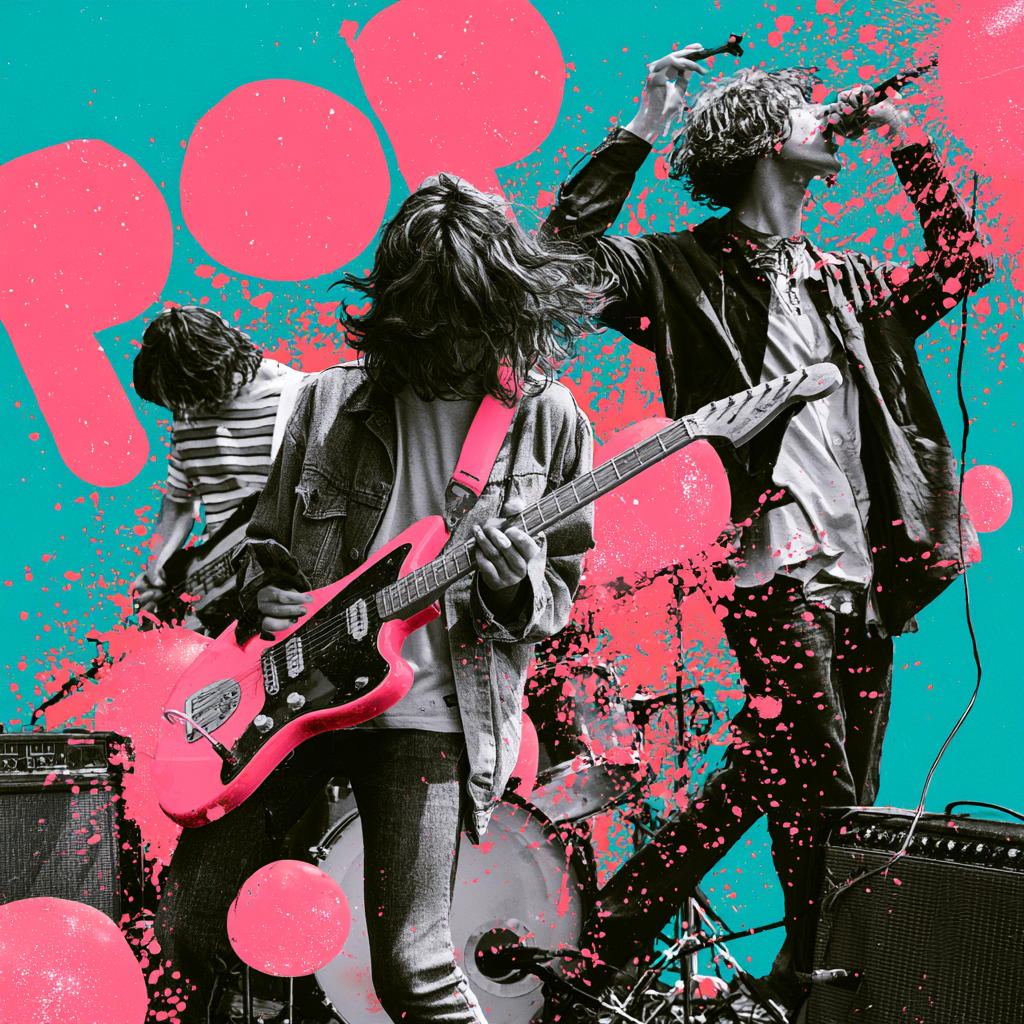
What Is Jangle Pop? 15 Essential Songs and Artists for Beginners
Jangle pop is a style of guitar-based pop and alternative rock associated with bright, shimmering guitar sounds and memorable melodies.
The guitars frequently sound clean rather than distorted.
They may use twelve-string instruments or repeating melodic patterns.
The result can feel light, energetic and nostalgic.
Artists including The Byrds, R.E.M., The Smiths, The Go-Betweens and The Sundays helped establish different generations of the sound.
The style continues through contemporary indie-pop artists such as Alvvays.
Here are fifteen essential recordings worth discovering.
What does jangle pop sound like?
The guitar is central.
Rather than relying on heavy distortion or aggressive riffs, musicians frequently use bright, ringing chords.
The notes overlap.
That creates the familiar jangling sound.
The vocals can be soft or expressive.
The rhythms are generally accessible.
And the arrangements often draw from 1960s pop songwriting.
The result is music that feels melodic without necessarily being heavily produced.
Where did jangle pop originate?
Its roots reach back to the 1960s.
The Byrds became particularly influential through their use of twelve-string electric guitar.
The Beatles also helped establish the sound.
But jangle pop became a recognisable alternative-rock description during the late 1970s and 1980s.
Independent bands began combining older guitar-pop influences with post-punk attitudes.
That created a new musical identity.
1. The Byrds – Mr. Tambourine Man
The essential historical starting point.
Released in 1965, The Byrds’ recording of Bob Dylan’s song features the bright twelve-string guitar sound that became central to later jangle pop.
The rhythm is restrained.
The vocal harmonies are melodic.
And the guitar creates enormous movement.
This is one of the clearest places to hear the style’s musical foundations.
2. R.E.M. – Radio Free Europe
A defining early-1980s recording.
Peter Buck’s guitar is central to the arrangement.
The notes ring rather than forming conventional heavy-rock riffs.
Michael Stipe’s vocal has an unusual, slightly mysterious character.
The recording helped establish R.E.M.’s reputation within American independent rock.
It’s an ideal introduction to jangle pop’s post-punk development.
3. The Smiths – This Charming Man
One of the most recognisable British jangle-pop songs.
Johnny Marr’s guitar arrangement is intricate and bright.
Morrissey’s vocal provides a distinctive personality.
The rhythm is energetic.
The recording demonstrates how sophisticated guitar playing can work inside a relatively short pop song.
4. The Go-Betweens – Cattle and Cane
An essential Australian recommendation.
The Go-Betweens combined melodic guitar with emotionally detailed songwriting.
“Cattle and Cane” has an unusual rhythmic character and a strong sense of memory.
It’s one of the best examples of jangle pop communicating nostalgia without relying on elaborate production.
5. The Feelies – The Boy with the Perpetual Nervousness
A more energetic American recommendation.
The Feelies developed a distinctive guitar sound combining repetition with unusual rhythmic movement.
The recording has a slightly nervous atmosphere.
It’s particularly useful for understanding how jangle pop overlaps with post-punk and college rock.
6. The Sundays – Here’s Where the Story Ends
A gentle and melodic recording.
Harriet Wheeler’s vocal is expressive without becoming theatrical.
The guitars shimmer around the melody.
It’s an excellent example of late-1980s and early-1990s British indie pop.
The recording is particularly suitable for listeners who enjoy softer atmospheric music.
7. The La’s – There She Goes
A classic British guitar-pop recording.
The melody is immediate.
The arrangement is relatively simple.
But the guitars have a bright, ringing character.
It’s an excellent example of jangle pop becoming mainstream without losing its independent-rock identity.
8. 10,000 Maniacs – These Are Days
An accessible American alternative-pop recommendation.
Natalie Merchant’s vocal combines with warm guitar arrangements and a strong melody.
The recording has an uplifting character.
It’s particularly suitable for listeners who enjoy jangle pop’s melodic qualities but prefer conventional pop structures.
9. The Church – Under the Milky Way
An atmospheric Australian recording.
The Church combine shimmering guitars with a darker emotional atmosphere.
“Under the Milky Way” is particularly recognisable for its unusual instrumental textures.
It demonstrates how jangle pop can move towards dream pop and atmospheric alternative rock.
10. Teenage Fanclub – The Concept
A Scottish power-pop and jangle-pop favourite.
The guitars are energetic.
The vocal harmonies are warm.
And the melody has a strong connection with classic 1960s pop.
Teenage Fanclub are particularly suitable for listeners who enjoy The Byrds and The Beatles but want a more contemporary alternative-rock sound.
11. The Bangles – Going Down to Liverpool
A melodic American guitar-pop recording.
The Bangles became associated with the wider Paisley Underground scene.
Their music combined 1960s influences with contemporary pop songwriting.
This recording is an excellent introduction to that part of jangle-pop history.
12. The dB’s – Black and White
A defining American power-pop recording.
The dB’s combine energetic guitars with intricate melodic writing.
Their music became important within the independent-rock scene.
“Black and White” demonstrates the relationship between jangle pop, new wave and power pop.
13. The Field Mice – Emma’s House
A quieter indie-pop recommendation.
The Field Mice became associated with the British independent label Sarah Records.
Their music combines gentle vocals with atmospheric guitars.
“Emma’s House” is particularly suitable for listeners who enjoy understated, emotionally intimate guitar music.
14. Alvvays – Archie, Marry Me
A contemporary indie-pop favourite.
Alvvays combine bright guitars with melodic songwriting and slightly hazy production.
“Archie, Marry Me” demonstrates how effectively the jangle-pop tradition continues through newer bands.
The music feels connected with earlier indie rock without sounding like a simple reproduction.
15. R.E.M. – Gardening at Night
Finish with another foundational recording.
“Gardening at Night” captures the band’s early guitar-oriented sound.
The arrangement has a distinctive sense of movement.
It’s an excellent example of jangle pop emerging from American college rock.
Is jangle pop the same as indie pop?
Not exactly.
Jangle pop describes a recognisable guitar sound and musical tradition.
Indie pop is broader.
It can include electronic, acoustic and other styles.
Many jangle-pop artists belong to indie pop.
But not every indie-pop recording uses jangling guitars.
The distinction becomes clearer when listening to the instruments rather than relying exclusively on artist labels.
Is jangle pop the same as dream pop?
No, although the styles overlap.
Dream pop generally places greater emphasis on atmosphere, reverb and texture.
Jangle pop is more strongly associated with bright guitar melodies.
The Sundays and The Church demonstrate how the styles can connect.
Radar’s dream-pop discovery guide provides a useful companion.
Why is the guitar sound so distinctive?
Twelve-string electric guitars are particularly important.
They create a richer, shimmering sound because strings are paired.
But ordinary six-string guitars can also produce a jangly character.
The playing style matters.
Clean tones, open chords and arpeggiated figures are common.
The goal is usually melodic clarity rather than distortion or aggression.
Is jangle pop still popular?
Its influence continues throughout contemporary alternative music.
Bands such as Alvvays and other melodic indie-rock artists draw from the same musical traditions.
The sound also has enduring nostalgic appeal.
Older recordings frequently remain accessible because their arrangements are relatively restrained.
A bright guitar melody can feel familiar across several generations.
Which three songs should beginners hear first?
Start with The Byrds’ “Mr. Tambourine Man”.
Then R.E.M.’s “Radio Free Europe”.
Finish with Alvvays’ “Archie, Marry Me”.
Those three demonstrate the style’s progression from 1960s folk rock through 1980s alternative music to contemporary indie pop.
What is jangle pop?
A melodic guitar-pop style associated with bright, ringing guitar sounds.
Its roots reach back to The Byrds and The Beatles, but it became particularly important within independent rock during the 1980s.
The genre remains influential because it makes relatively simple guitar arrangements sound distinctive and emotionally expressive.