What Is Shibuya-kei? 12 Essential Japanese Artists and Songs
Shibuya-kei is a Japanese music movement that developed during the late 1980s and became particularly influential throughout the 1990s.
Its sound is difficult to describe using one conventional genre.
That’s because the musicians deliberately combined very different influences.
French pop.
Bossa nova.
Funk.
Jazz.
Hip-hop.
Electronic music.
And older British and American pop.
Artists including Pizzicato Five, Cornelius, Flipper’s Guitar and Fantastic Plastic Machine helped establish the movement.
The resulting music frequently sounds playful, sophisticated and deliberately eclectic.
What does Shibuya-kei mean?
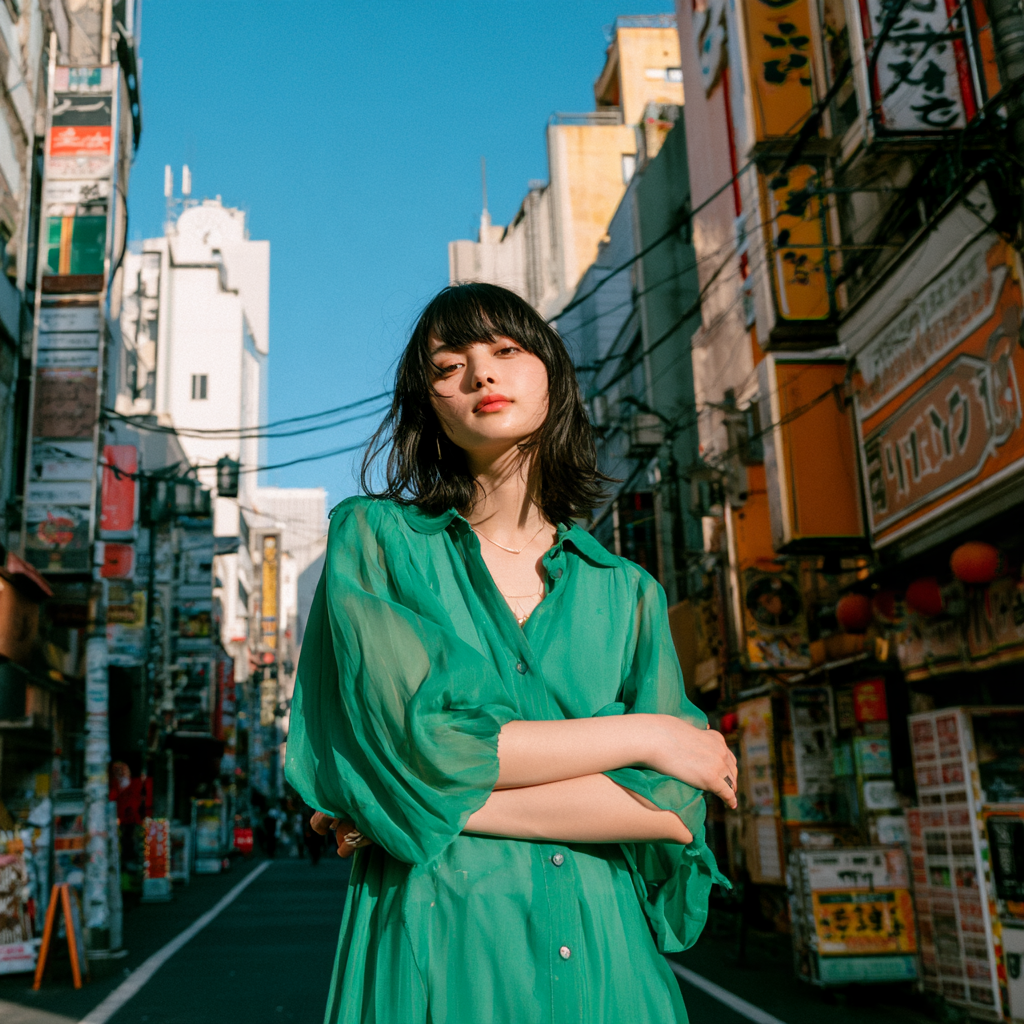
The name refers to Shibuya, a district of Tokyo associated with fashion, record shops and youth culture.
The Japanese suffix -kei can be used to describe a style or category.
Together, Shibuya-kei roughly identifies a musical style associated with Shibuya.
But the term doesn’t refer to one specific rhythm or instrument.
It’s more closely connected with a cultural environment.
Young musicians were discovering and reinterpreting international music through imported records and local scenes.
Where did Shibuya-kei originate?
Tokyo.
The music developed around record shops, clubs and artists interested in sounds beyond mainstream Japanese pop.
Import record stores became particularly important.
Musicians could discover older American, British, French and Brazilian recordings.
Those influences were then combined in unusual ways.
The result was a movement which often treated musical history as a collection of sounds available for experimentation.
What does Shibuya-kei sound like?
It depends on the performer.
Some recordings resemble sophisticated lounge pop.
Others combine hip-hop sampling with electronic music.
Some sound like 1960s French pop.
Others incorporate bossa nova or psychedelic rock.
The defining quality is often the willingness to mix influences.
A recording might combine a vintage guitar sound with electronic drums and an orchestral sample.
That flexibility makes the movement particularly enjoyable for curious listeners.
1. Pizzicato Five – Sweet Soul Revue
An essential entry point.
Pizzicato Five became one of the most internationally recognisable Shibuya-kei groups.
Their music combines stylish pop with funk, jazz and older soundtrack influences.
“Sweet Soul Revue” has a bright and infectious rhythm.
It’s an excellent introduction to the group’s playful musical personality.
2. Flipper’s Guitar – Young, Alive, in Love
One of the defining recordings associated with the movement’s early period.
Flipper’s Guitar developed from guitar-oriented indie pop towards increasingly eclectic production.
The band included Keigo Oyamada and Kenji Ozawa.
Their music helped establish Shibuya-kei’s identity.
“Young, Alive, in Love” is an important starting point.
3. Cornelius – Star Fruits Surf Rider
Keigo Oyamada continued his career as Cornelius after Flipper’s Guitar.
His music became increasingly experimental.
“Star Fruits Surf Rider” combines electronic rhythm with unusual production details.
It’s particularly suitable for listeners interested in the connection between Shibuya-kei and experimental electronic pop.
4. Pizzicato Five – Baby Portable Rock
A particularly accessible recording.
The arrangement combines sophisticated pop songwriting with a playful rhythmic foundation.
Pizzicato Five frequently created music that sounded connected with several decades simultaneously.
This track demonstrates that quality effectively.
5. Fantastic Plastic Machine – L’Aventure Fantastique
A dance-oriented example of Shibuya-kei.
Fantastic Plastic Machine is the project of Tomoyuki Tanaka.
His music combines house, lounge, bossa nova and older pop influences.
“L’Aventure Fantastique” captures that sophisticated approach.
It’s an excellent recommendation for listeners who enjoy electronic dance music with unusual retro textures.
6. Towa Tei – Technova
A more electronic and globally influenced recommendation.
Towa Tei had previously been a member of Deee-Lite.
His solo work incorporated sampling, dance music and sophisticated electronic production.
“Technova” is an important example.
It’s particularly suitable for listeners who enjoy the connection between Japanese electronic music and international club culture.
7. Kahimi Karie – Good Morning World
An intimate and stylish pop recording.
Kahimi Karie became associated with the softer, more delicate side of Shibuya-kei.
Her vocal delivery is restrained.
The arrangements frequently draw from French pop and other international traditions.
“Good Morning World” is an excellent introduction to her musical identity.
8. Flipper’s Guitar – The World Tower
A more experimental recording.
Flipper’s Guitar’s later work incorporated sampling and a wider range of influences.
The music became increasingly ambitious.
“The World Tower” provides a useful example of that development.
It demonstrates how the movement moved beyond conventional indie-pop songwriting.
9. Takako Minekawa – Fantastic Cat
A playful electronic-pop recommendation.
Minekawa became known for distinctive production and unusual melodic ideas.
Her music frequently combines gentle vocals with synthetic sounds.
“Fantastic Cat” belongs to that imaginative world.
It’s particularly suitable for listeners who enjoy pop that sounds deliberately unconventional.
10. Cibo Matto – Sugar Water
A related, internationally connected recommendation.
Cibo Matto were a New York-based duo whose members were Japanese.
Their music incorporated sampling, hip-hop, pop and experimental production.
“Sugar Water” captures that mixture.
The group isn’t simply a conventional Shibuya-kei act, but its musical approach overlaps with the movement’s eclectic philosophy.
11. Pizzicato Five – Twiggy Twiggy
Another important recording from the group.
Its playful arrangement and retro references capture the fashion-conscious character associated with Shibuya-kei.
Pizzicato Five treated visual identity and musical production as connected forms of expression.
That helped make the band internationally recognisable.
12. Cornelius – Count Five or Six
Finish with a more aggressive experimental-pop recording.
Cornelius combines unusual rhythm with deliberately unpredictable musical structure.
The result is considerably less relaxed than conventional lounge-influenced Shibuya-kei.
But that’s part of the movement’s appeal.
It was never one narrow sound.
Is Shibuya-kei the same as city pop?
No.
City pop developed earlier, particularly during the 1970s and 1980s.
Its music frequently combined funk, soul, jazz fusion and sophisticated pop.
Shibuya-kei emerged later through a younger generation interested in sampling and eclectic international influences.
The scenes are related through Japanese pop history.
But they’re distinct.
Radar’s guide to city pop provides a useful introduction to the earlier musical tradition.
How is Shibuya-kei connected with video games?
Through its musical influence on playful Japanese soundtracks.
Katamari Damacy is a particularly useful example.
Its music combines lounge, jazz, pop, funk and experimental electronic sounds.
Those ingredients strongly resemble the broader Shibuya-kei approach.
The game didn’t simply copy one particular Shibuya-kei artist.
But its eclectic soundtrack belongs to a related musical world.
Why did Shibuya-kei attract international interest?
Because it approached familiar musical influences in unfamiliar ways.
Western audiences could recognise elements of disco, jazz and older pop.
But the arrangements felt distinctive.
The movement also connected strongly with Japanese fashion and design culture.
That made it attractive to listeners interested in music as part of a wider artistic identity.
Where should beginners start?
Begin with Pizzicato Five’s “Sweet Soul Revue”.
Then Flipper’s Guitar.
Move towards Cornelius for more experimental production.
Finish with Fantastic Plastic Machine and Towa Tei if you prefer electronic music.
That progression reveals how broad the movement became.
What is Shibuya-kei?
An eclectic Japanese musical and cultural movement associated with Tokyo during the late 1980s and 1990s.
Its artists combined international pop traditions with sampling, electronic production and playful experimentation.
Pizzicato Five, Flipper’s Guitar, Cornelius and Fantastic Plastic Machine remain important introductory performers.
It’s one of the most enjoyable ways to discover how musical styles from completely different countries and decades can combine into something new.