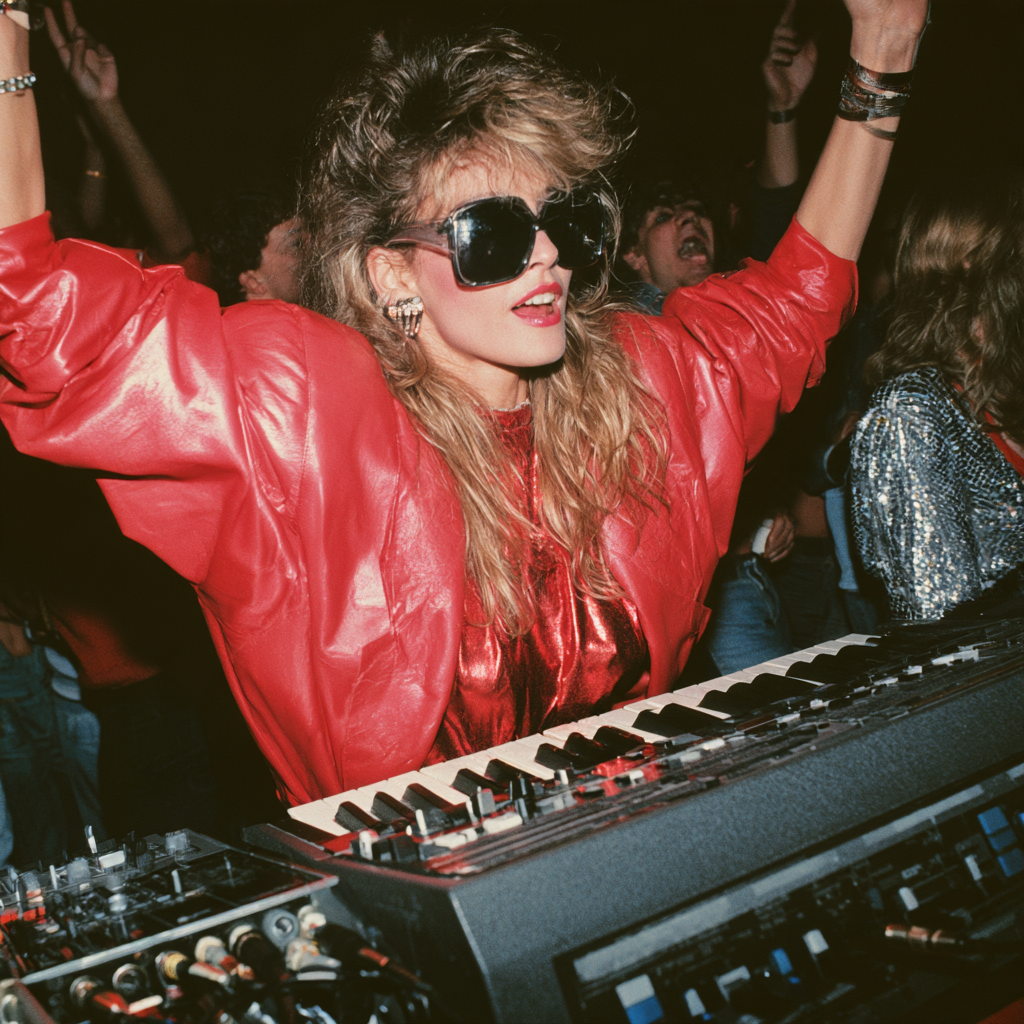
What Is Italo Disco? 15 Essential 1980s Songs and Artists
Italo disco is a style of electronic dance music that became especially popular in Italy and across Europe during the early and mid-1980s.
Its sound combines drum machines, synthesizers, melodic basslines and catchy pop vocals.
The production is frequently bright and futuristic.
But the lyrics can be surprisingly romantic or melancholy.
Artists including Gazebo, Ryan Paris, Righeira, Baltimora and Ken Laszlo helped establish the sound.
Many recordings became European hits.
Others developed long lives through dance clubs and collectors.
Here are fifteen essential songs for anyone discovering the genre.
What does Italo disco sound like?
Synthesizers are central.
The rhythm is generally steady and danceable.
Basslines are frequently electronic.
Vocals tend to be melodic and accessible.
Many recordings use English lyrics, although Italian, Spanish and other languages also appear.
The musical atmosphere often combines nostalgia with futuristic electronic production.
That creates one of the genre’s defining contradictions.
The technology sounds modern for its period.
The melodies can feel almost old-fashioned.
Where did Italo disco originate?
Italy during the late 1970s and early 1980s.
Italian producers were inspired by disco and electronic dance music developing internationally.
Affordable synthesizers and drum machines helped reshape the sound.
Studios began creating recordings that combined electronic production with accessible pop melodies.
The term Italo disco eventually became a useful label for this wider movement.
The music travelled quickly across Europe.
1. Gazebo – I Like Chopin
One of the defining recordings.
Released in 1983, “I Like Chopin” combines a bright electronic rhythm with a melancholy melody.
Despite the title, the composition doesn’t simply reproduce music by Chopin.
It’s an original electronic-pop song.
The recording became an enormous European hit.
It’s an excellent starting point because it captures the genre’s unusual combination of dance energy and romantic atmosphere.
2. Ryan Paris – Dolce Vita
Another essential 1983 recording.
“Dolce Vita” has a warm, relaxed electronic rhythm.
The chorus is immediately memorable.
The production creates images of sunny European cities and summer evenings.
It remains one of the genre’s most accessible introductions.
For listeners unfamiliar with Italo disco, this is an ideal first discovery.
3. Righeira – Vamos a la Playa
A particularly unusual recording.
The title suggests a cheerful summer song.
But the underlying lyrical subject is much darker, involving destructive events and environmental imagery.
The production is playful and electronic.
That contrast makes it memorable.
It’s also a useful example of Italian musicians experimenting with Spanish-language pop.
4. Baltimora – Tarzan Boy
One of the genre’s biggest international crossover hits.
Released in 1985, “Tarzan Boy” combines electronic production with an enormous vocal hook.
The recording became successful far beyond Italy.
Its playful character also made it suitable for advertising and television.
It’s particularly useful for listeners who want to understand how Italo disco crossed into mainstream international pop.
5. Raf – Self Control
The original recording appeared in 1984.
Laura Branigan recorded a famous version during the same year.
Raf’s interpretation combines synthesizers with a darker dance-pop atmosphere.
It’s an excellent example of an Italo disco song being transformed into a much larger international pop success.
The two versions are particularly interesting when heard together.
6. Kano – Another Life
A strong club-oriented recommendation.
Kano were associated with electronic dance music developing in Italy.
“Another Life” has a powerful rhythmic foundation and distinctive synthesizers.
It’s particularly suitable for listeners interested in the connections between Italo disco, electro and early house music.
7. Ken Laszlo – Hey Hey Guy
A classic example of the genre’s playful electronic identity.
The recording includes distinctive synthetic sounds and a strong dance rhythm.
Ken Laszlo became an important figure within European Italo disco.
“Hey Hey Guy” remains one of his most recognisable recordings.
8. Savage – Don’t Cry Tonight
A more emotional recommendation.
The recording combines a steady electronic rhythm with melancholy songwriting.
It’s an excellent example of the genre’s softer side.
Many Italo disco recordings allow listeners to dance while the lyrics communicate romantic disappointment.
“Don’t Cry Tonight” demonstrates that approach particularly well.
9. P. Lion – Happy Children
One of the genre’s most recognisable electronic arrangements.
The synthesizer melody is immediate.
The rhythm is simple but effective.
Its bright atmosphere makes it particularly suitable for listeners interested in early electronic pop.
10. Scotch – Disco Band
A more obviously club-oriented recording.
“Disco Band” combines synthetic bass with energetic dance production.
Its musical personality is playful and direct.
It’s an excellent choice for listeners who enjoy the repetitive, physical side of Italo disco.
11. Miko Mission – How Old Are You?
A defining mid-1980s recording.
The production uses bright synthesizers and a powerful rhythmic foundation.
Its vocal hook is particularly memorable.
The song became a favourite within European dance clubs.
12. Valerie Dore – The Night
A more atmospheric recommendation.
“The Night” combines melodic vocals with an electronic rhythm.
The production feels romantic and slightly mysterious.
It’s a particularly good introduction to the dreamier side of Italo disco.
13. Koto – Visitors
An instrumental electronic recommendation.
Koto developed a distinctive synthesizer-driven sound.
“Visitors” demonstrates the genre’s connection with space-themed electronic music.
It’s particularly suitable for listeners who prefer electronic arrangements without conventional pop vocals.
14. Fun Fun – Happy Station
A particularly energetic dance-pop recording.
The arrangement is bright and direct.
Its strong rhythm makes it suitable for a more traditional dancefloor atmosphere.
Fun Fun became associated with the commercially accessible side of Italo disco.
15. Den Harrow – Future Brain
Finish with another defining mid-1980s recording.
“Future Brain” combines electronic rhythm with a memorable chorus.
Den Harrow became an important name in the genre’s commercial history.
The project’s performances and recordings also reveal how heavily Italo disco could rely on elaborate studio production and constructed pop identities.
What is the difference between Italo disco and synth-pop?
The genres overlap.
Synth-pop describes a broader musical style built around synthesizers.
Italo disco refers more specifically to electronic dance music associated with Italy and European clubs during the 1980s.
Some Italo disco songs are also synth-pop.
But not every synth-pop recording belongs to the Italo disco tradition.
The cultural and production histories matter.
Is Italo disco the same as Eurodance?
No.
Eurodance became especially successful during the 1990s.
Its productions generally used newer electronic technology, heavier rhythms and different vocal structures.
But Italo disco helped establish part of the European electronic dance environment from which later styles developed.
There are important musical connections between the two.
Why has Italo disco remained popular?
Because the melodies are strong.
The synthesizer sounds have become nostalgic.
And many recordings work equally well inside contemporary electronic DJ sets.
Later producers have also borrowed from the genre’s electronic textures.
For another branch of modern disco-influenced music, Radar’s nu-disco discovery guide explores how classic electronic dance ideas continue evolving.
Which three songs should beginners hear first?
Start with Gazebo’s “I Like Chopin”.
Then Ryan Paris’ “Dolce Vita”.
Finish with Baltimora’s “Tarzan Boy”.
Those three provide a strong introduction to the genre’s range.
Melancholy electronic pop.
Warm summer disco.
And enormous mainstream dance-pop.
What is Italo disco?
An electronic dance style associated with Italian producers and performers during the early and mid-1980s.
Its defining features include synthesizers, drum machines and memorable melodic songwriting.
The music became enormously popular across Europe.
And its sound remains an important influence on modern electronic dance music.