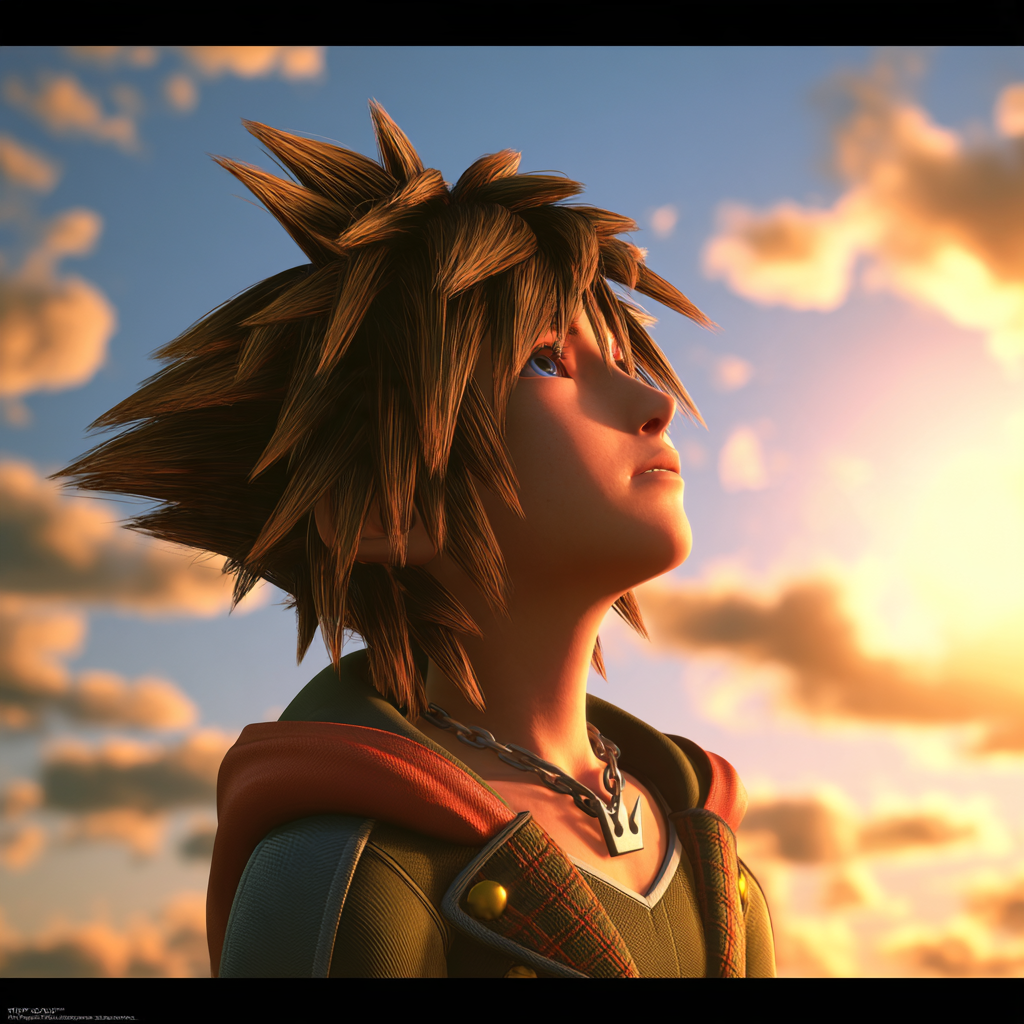
Who Sings “Simple and Clean” in Kingdom Hearts? Original Explained
The famous song from Kingdom Hearts is “Simple and Clean” by Japanese singer-songwriter Hikaru Utada.
But there’s an interesting complication.
The original Japanese version is called “Hikari”.
Both recordings are associated with the 2002 game.
And the energetic version heard during the opening cinematic is a remix rather than simply the standard album recording.
That means someone searching for the Kingdom Hearts theme may encounter several different versions of the same musical idea.
Understanding the differences reveals a fascinating connection between Japanese pop and one of gaming’s most recognisable franchises.
Who is Hikaru Utada?
A Japanese singer-songwriter who became internationally successful during the late 1990s.
Utada released the debut album First Love in 1999.
It became one of the best-selling albums in Japanese music history.
Her recordings combine pop, R&B and electronic influences.
That musical background made her an interesting choice for Kingdom Hearts.
Rather than commissioning a conventional orchestral video-game theme, the developers worked with an established pop singer.
The result became a defining part of the series.
What is the original Kingdom Hearts song called?
“Hikari”.
The Japanese title means “light”.
That word has particular significance within the fictional world of Kingdom Hearts.
The game explores the relationship between light and darkness through its characters and story.
Utada created a song that could connect emotionally with those themes.
The English-language version was titled “Simple and Clean”.
Is Simple and Clean a direct translation of Hikari?
No.
The two songs share important musical material.
But the English lyrics aren’t simply a literal translation of the Japanese words.
Utada adapted the composition for an international audience.
That created a slightly different lyrical experience.
The emotional character remains connected.
But listeners can discover different nuances by exploring both versions.
It’s a useful example of an artist adapting a song across languages rather than merely translating every sentence.
When did Kingdom Hearts come out?
2002.
The original game brought together characters from Disney and Square’s role-playing worlds.
Its musical score was composed primarily by Yoko Shimomura.
Utada’s vocal theme provided a different musical dimension.
The combination of pop song and orchestral scoring helped create the series’ distinctive identity.
Why does the opening version sound so energetic?
Because it uses the PLANITb remix.
The remix transforms the original recording into a faster electronic arrangement.
The music accompanies the game’s opening cinematic.
Its rhythm and production create a sense of movement and excitement.
That distinguishes it from the slower original version.
Players who remember the opening sequence may actually be remembering the remix rather than the standard recording.
Who created the PLANITb remix?
The remix was produced by Russell McNamara, known through the PLANITb credit.
It incorporates Utada’s original vocal performance into a more dance-oriented arrangement.
The musical identity is considerably different.
The original song is more restrained.
The remix emphasises electronic rhythm.
That makes the two versions suitable for different dramatic purposes inside the game.
Why is the song so emotional for players?
Because it’s connected with the story.
Kingdom Hearts focuses heavily on friendship, separation and the desire to reconnect with people.
Those themes are particularly suitable for melodic pop songwriting.
Utada’s vocal provides an intimate human element.
The orchestral score creates the larger fantasy world.
Together, they give the game both emotional closeness and cinematic scale.
Is Simple and Clean in Kingdom Hearts II?
The sequel’s best-known vocal theme is “Sanctuary”, also performed by Utada.
Its Japanese counterpart is “Passion”.
That gives the franchise another pair of related Japanese and English-language recordings.
Players who enjoy “Simple and Clean” should explore “Sanctuary” next.
The two tracks share Utada’s distinctive vocal personality but use different production approaches.
What song is in Kingdom Hearts III?
“Face My Fears”, featuring Skrillex, became one of the main vocal themes associated with Kingdom Hearts III.
Utada also performed “Don’t Think Twice”.
Those recordings demonstrate how the franchise continued combining Japanese pop songwriting with international electronic production.
The musical relationship between Utada and the series extended far beyond the original game.
Did Hikaru Utada record Simple and Clean again?
Yes.
A new recording appeared in connection with the franchise’s Steam release in 2024.
That introduced another version for listeners to discover.
It’s particularly interesting to compare Utada’s earlier vocal performance with the newer interpretation.
The song remained recognisable, but the recording developed another musical identity more than twenty years later.
What genre is Simple and Clean?
Pop with R&B and electronic influences.
The standard recording has a relatively intimate musical character.
The PLANITb remix places greater emphasis on electronic dance production.
That makes the song difficult to describe through one narrow genre.
Its different versions appeal to different audiences.
Why is music so important in Kingdom Hearts?
Because the franchise contains unusually emotional storytelling for a fantasy adventure game.
Characters develop friendships.
They become separated.
And they attempt to reconnect across different worlds.
Music helps communicate those feelings.
The series also uses recurring instrumental themes.
Yoko Shimomura’s “Dearly Beloved” is another particularly recognisable composition.
That instrumental theme creates a gentler emotional atmosphere than Utada’s pop songs.
What other game songs are similar?
Try Utada’s “Sanctuary”, “Face My Fears” and “Don’t Think Twice”.
Then explore “Dearly Beloved” by Yoko Shimomura, “Melodies of Life” from Final Fantasy IX, and “Suteki da ne” from Final Fantasy X.
For another example of a game theme developing an identity far beyond its original release, Radar explains C418’s “Sweden” and the music of Minecraft.
Which version should you hear first?
Start with “Hikari”.
Then listen to the original “Simple and Clean”.
Finally, hear the PLANITb remix.
That sequence demonstrates how the same musical foundation changes across languages and production styles.
Who sings Simple and Clean in Kingdom Hearts?
Hikaru Utada.
She also recorded the Japanese version, “Hikari”.
The opening cinematic uses a famous electronic remix.
The song’s popularity demonstrates how effectively a pop recording can become central to a fictional world.
For millions of players, hearing Utada’s voice immediately brings back memories of Sora, Riku, Kairi and the beginning of an extraordinary adventure.