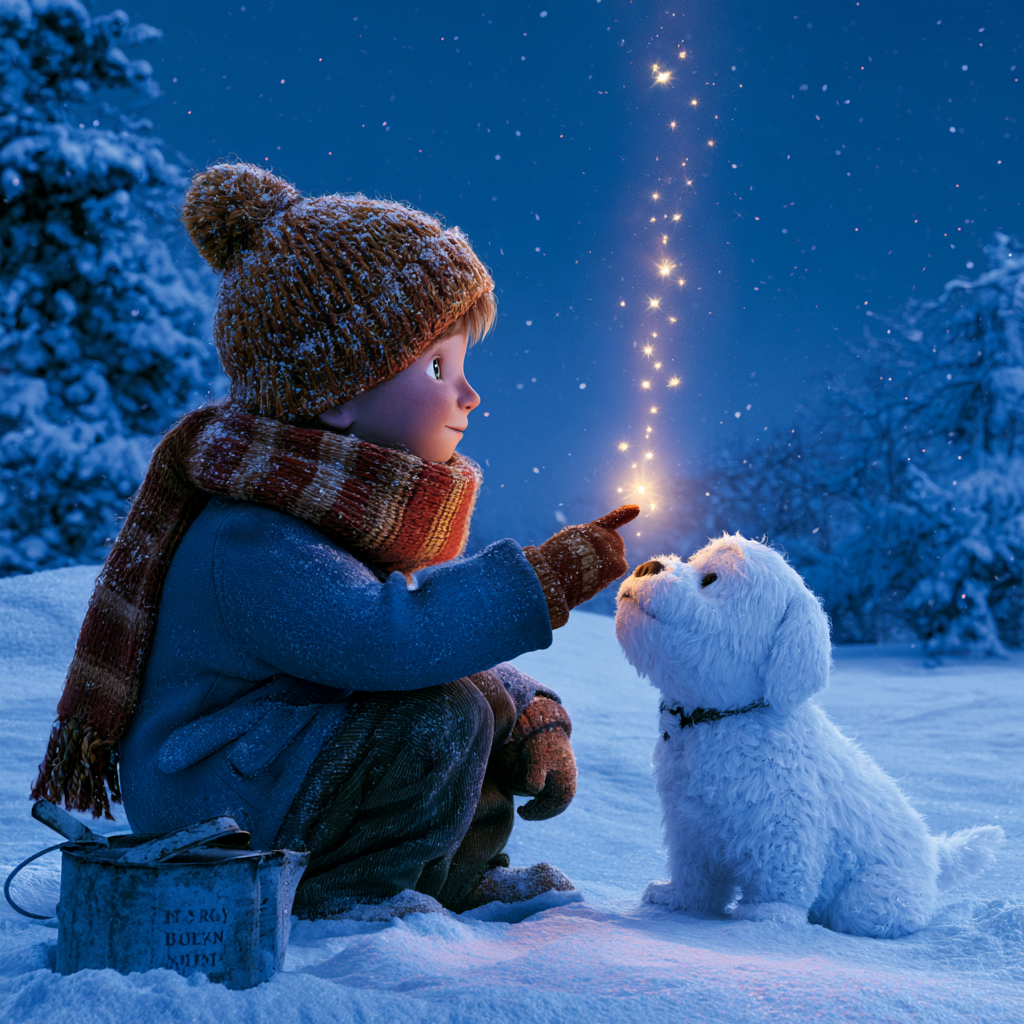
Who Sings “Light the Night” in The Snowman and the Snowdog?
The song heard during the famous flying sequence in The Snowman and the Snowdog is “Light the Night”, performed by Andy Burrows.
Burrows wrote the composition with British film composer Ilan Eshkeri.
The animated Christmas film was released in 2012, thirty years after the original The Snowman appeared.
Rather than using another performance of “Walking in the Air”, the filmmakers created an entirely new soundtrack.
The result combines orchestral film music with contemporary songwriting and several surprising musical collaborators.
Who sings the song from The Snowman and the Snowdog?
Andy Burrows.
He is an English musician and singer-songwriter who became widely recognised as the drummer of Razorlight.
Burrows subsequently developed his own recording career and worked on numerous musical collaborations.
His performance on “Light the Night” introduces a different vocal personality from the original Snowman soundtrack.
Rather than using a young chorister, the filmmakers wanted an adult singer whose voice would suit the newer film’s more contemporary atmosphere.
Who wrote “Light the Night”?
Andy Burrows and Ilan Eshkeri.
Eshkeri is a composer whose film work includes Stardust and The Young Victoria.
His collaboration with Burrows allowed the soundtrack to move between traditional orchestral scoring and contemporary songwriting.
The filmmakers wanted music that would reflect the intimacy of the hand-drawn animation while also establishing a distinctive identity for the sequel.
“Light the Night” became the centrepiece of that approach.
Is it the same song as “Walking in the Air”?
No.
“Walking in the Air” was written by Howard Blake for the original 1982 film and performed by Peter Auty.
“Light the Night” is a completely separate composition written for the 2012 sequel.
Both accompany memorable flying sequences.
However, their musical personalities are different.
The original uses a boy soprano and an orchestral arrangement.
The sequel combines an adult male vocal with a more contemporary pop-influenced sound.
For the story behind the earlier recording, read Radar’s guide to the original singer of “Walking in the Air”.
Why did the filmmakers choose a different song?
Because the sequel needed its own musical identity.
The creators retained the traditional animation approach and familiar sense of Christmas wonder, but the story takes place in a more modern environment.
Burrows discussed how the newer flying sequence inspired a somewhat different musical approach.
Recreating “Walking in the Air” would have connected the film immediately with the original, but an entirely new composition allowed the sequel to establish its own emotional personality.
Where was the soundtrack recorded?
Abbey Road Studios in London.
The London Metropolitan Orchestra contributed to the recording sessions.
The soundtrack also involved musicians associated with several recognisable contemporary bands and independent artists.
That combination makes the project particularly interesting for music listeners.
The finished arrangement sounds like an orchestral Christmas soundtrack, but the musicians involved came from several different parts of popular music.
Did Tom Odell play on the soundtrack?
Yes.
Channel 4’s original soundtrack announcement identified Tom Odell among the musicians contributing to the project.
Other collaborators included Tim Wheeler from Ash, Dom Howard from Muse and Aristazabal Hawkes from Guillemots.
The involvement of these musicians demonstrates how the score combined classical instrumentation with experience from contemporary rock and alternative music.
What song plays when the characters fly home?
“Hometown”.
An orchestral version of Andy Burrows’ existing composition is associated with the return journey.
The soundtrack lists it as “Hometown (Flying Home)”.
The song also appeared in its earlier form on Burrows’ solo album Company.
That means the film has two particularly recognisable vocal selections.
“Light the Night” accompanies the famous outward flying sequence, while “Hometown” provides another emotional identity for the journey home.
The Snowman and the Snowdog complete soundtrack
| Track | Title |
|---|---|
| 1 | A New Beginning |
| 2 | Christmas |
| 3 | Building the Snowman |
| 4 | The Snowman & the Snowdog |
| 5 | Light the Night |
| 6 | Snowman Carnival |
| 7 | Downhill Race |
| 8 | Flying Home |
| 9 | Goodbye |
| 10 | Light the Night (Single Mix) |
| 11 | Hometown (Flying Home) |
| 12 | The Snowman & the Snowdog (Full Score) |
The official soundtrack was released in December 2012.
It includes the main score, alternative song versions and a continuous presentation of the film’s music.
Which version of “Light the Night” should you listen to?
The standard soundtrack version is the natural starting point if you want to recreate the atmosphere of the film.
The single mix provides a slightly different presentation intended for standalone listening.
Both are credited to Andy Burrows and Ilan Eshkeri.
For the complete musical experience, the soundtrack’s full-score recording allows the original compositions to flow together.
What does “Light the Night” mean?
The song’s imagery connects naturally with the film’s themes of wonder, companionship and discovering something extraordinary in familiar surroundings.
The flight becomes a temporary escape from everyday life.
However, the film also explores loss and the emotional importance of the relationships we form.
That gives its soundtrack a mixture of excitement and vulnerability rather than uncomplicated Christmas happiness.
Other music like The Snowman and the Snowdog
Try:
- Howard Blake – Walking in the Air
- John Williams – Somewhere in My Memory
- Hans Zimmer – Maestro
- Danny Elfman – Ice Dance
- Howard Shore – Concerning Hobbits
- Alan Silvestri – Believe, performed by Josh Groban
- Andy Burrows – Hometown
Radar’s guide to the music from The Holiday provides another collection of warm, atmospheric winter soundtrack discoveries.
Who sings the flying song in The Snowman and the Snowdog?
Andy Burrows.
The song is called “Light the Night” and was written with Ilan Eshkeri for the 2012 animated film.
Thirty years after “Walking in the Air” became a Christmas classic, the sequel introduced its own musical interpretation of the magical experience of flying with a snowman.