Who Originally Sang “Season of the Witch”? Before Lana Del Rey
“Season of the Witch” was originally recorded by Scottish singer-songwriter Donovan in 1966.
Not Lana Del Rey.
Donovan’s recording appeared on his album Sunshine Superman.
The song combined psychedelic rock with an ominous atmosphere and lyrics about suspicion, strange behaviour and a changing world.
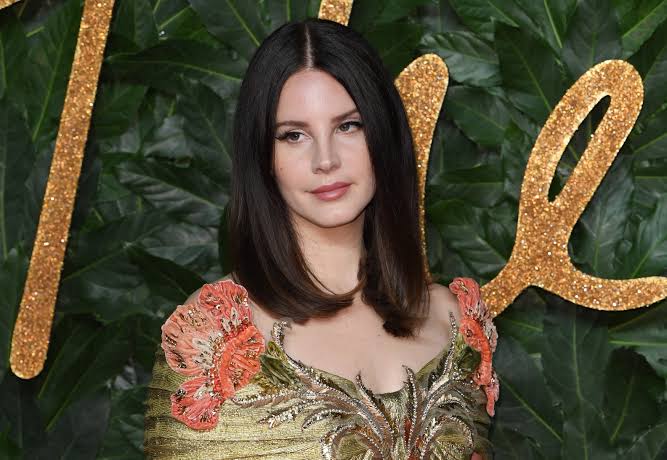
More than fifty years later, Lana Del Rey recorded her own version for the 2019 horror film Scary Stories to Tell in the Dark.
That helped introduce the composition to younger listeners.
But the original has a much broader history.
It’s one of the recordings that helped establish the darker side of 1960s psychedelic music.
Who is Donovan?
Donovan Leitch is a Scottish singer-songwriter who became internationally successful during the 1960s.
His music initially drew heavily from folk traditions.
But he gradually incorporated psychedelia, jazz and rock influences.
His important recordings include:
“Sunshine Superman”
“Mellow Yellow”
“Hurdy Gurdy Man”
and “Season of the Witch”.
He became part of the wider musical environment surrounding the British psychedelic movement.
But his style was distinctive.
Rather than relying entirely on aggressive guitar music, Donovan frequently combined unusual lyrical imagery with relatively relaxed arrangements.
What does “Season of the Witch” actually mean?
Paranoia and the feeling that ordinary life is becoming strange.
The narrator observes the world around him and begins questioning what he sees.
People appear unfamiliar.
Normal behaviour feels suspicious.
The atmosphere is unsettled.
The title suggests a period when supernatural forces might be active.
But the song isn’t simply a literal account of witches.
It can also be understood as a description of psychological uncertainty.
That ambiguity makes it particularly effective.
The listener doesn’t know whether the danger is real or imagined.
Why did Donovan write something so dark?
The mid-1960s were a period of enormous cultural change.
Music, fashion and social attitudes were evolving rapidly.
Psychedelic rock frequently explored altered perception.
Musicians were interested in unusual arrangements and lyrics that moved away from straightforward romantic storytelling.
“Season of the Witch” belongs to that environment.
The song creates an atmosphere of suspicion rather than celebration.
It suggests that the world is changing in ways the narrator doesn’t completely understand.
That’s a theme that remains relatable.
When was the song released?
1966.
It appeared on Sunshine Superman, released in America that August.
The album was associated with Donovan’s movement towards a more psychedelic sound.
“Season of the Witch” became one of its defining recordings.
It wasn’t simply another cheerful folk-pop song.
The arrangement was darker.
The guitar and organ created a more unsettling musical atmosphere.
That helped establish the composition’s unusual identity.
What genre is the original?
Psychedelic rock.
Folk rock.
Psychedelic pop.
There are also blues influences.
The recording sits between several musical traditions.
Its rhythm has a relaxed quality.
But the instrumental arrangement and lyrical atmosphere suggest danger.
That contrast gives it much of its character.
Why is the title so suitable for Halloween?
Because it immediately suggests supernatural activity.
The phrase sounds like the name of a horror film.
It evokes:
witchcraft,
unusual behaviour,
dark nights,
and mysterious forces.
But the song doesn’t need conventional horror lyrics to create that atmosphere.
Its production already feels strange.
That makes it useful for Halloween playlists even when listeners don’t know the original historical context.
Who recorded the Lana Del Rey version?
Lana Del Rey released her interpretation in August 2019.
The song was recorded for Scary Stories to Tell in the Dark.
The film is based on the children’s horror-book series associated with Alvin Schwartz.
Its story takes place during the late 1960s.
That makes Donovan’s 1966 composition a particularly appropriate musical choice.
The original recording appears near the beginning of the film.
Del Rey’s version accompanies the end credits.
How does Lana Del Rey’s version sound different?
Her interpretation is more cinematic.
The production emphasises atmosphere.
Her vocal delivery is restrained and mysterious.
Donovan’s original belongs strongly to the musical world of the 1960s.
Del Rey’s version uses modern production to make the composition feel more like a contemporary horror soundtrack.
The melody and central idea remain recognisable.
But the emotional personality changes.
The original feels psychedelic.
The cover feels gothic.
Why did the film use both versions?
Because the two recordings serve different purposes.
Donovan’s version helps establish the historical period.
It sounds like music that could belong naturally to the film’s late-1960s setting.
Lana Del Rey’s interpretation provides another atmosphere for the ending.
It connects the older composition with a modern audience.
That is an effective use of cover versions.
One recording establishes the past.
Another reinterprets it from the present.
Has anyone else covered “Season of the Witch”?
Many artists.
The song has attracted performers from several genres.
Notable interpretations include recordings by:
Julie Driscoll with Brian Auger and the Trinity,
Vanilla Fudge,
Al Kooper and Stephen Stills,
Robert Plant,
and Joan Jett.
These versions demonstrate the composition’s flexibility.
Some emphasise psychedelic rock.
Others move towards blues, hard rock or darker alternative styles.
The underlying atmosphere survives the changes.
Why does the song work across different genres?
Because the musical idea is strong without depending on one particular arrangement.
The melody is repetitive and hypnotic.
The title is immediately evocative.
The lyrics create uncertainty.
A performer can add heavier guitars.
Or reduce the arrangement.
Or introduce modern electronic textures.
The core atmosphere remains.
That’s an important characteristic of an effective cover-song candidate.
The composition allows different performers to develop their own interpretations.
Is the song actually about witches?
Not necessarily in a literal sense.
The title provides supernatural imagery.
But the lyrics are broader.
They concern suspicion, strange encounters and a sense that familiar reality is changing.
Listeners can interpret that psychologically.
Or socially.
Or through the atmosphere of psychedelic culture.
The composition doesn’t insist on one completely literal supernatural story.
That makes it more interesting than a conventional novelty Halloween song.
Songs like “Season of the Witch”
Try:
- Donovan – Hurdy Gurdy Man
- The Doors – Riders on the Storm
- Fleetwood Mac – Rhiannon
- Jefferson Airplane – White Rabbit
- Blue Öyster Cult – (Don’t Fear) The Reaper
- The Rolling Stones – Sympathy for the Devil
- Lana Del Rey – Season of the Witch
- The Zombies – Time of the Season
These recordings explore different combinations of psychedelia, unusual imagery and dark atmosphere.
Which version should you hear first?
Start with Donovan’s original.
Then Lana Del Rey’s cover.
Afterwards, explore the heavier interpretations.
The contrast reveals how the composition changed across generations.
Donovan created a psychedelic recording.
Other rock artists developed its instrumental power.
Del Rey transformed it into cinematic horror.
Who originally sang “Season of the Witch”?
Donovan in 1966.
Lana Del Rey recorded the famous modern version for Scary Stories to Tell in the Dark in 2019.
The composition became associated with Halloween because of its title and unsettling atmosphere.
But it began as something broader.
A psychedelic song about a world that suddenly feels unfamiliar.
Which is perhaps more frightening than an ordinary song about witches.