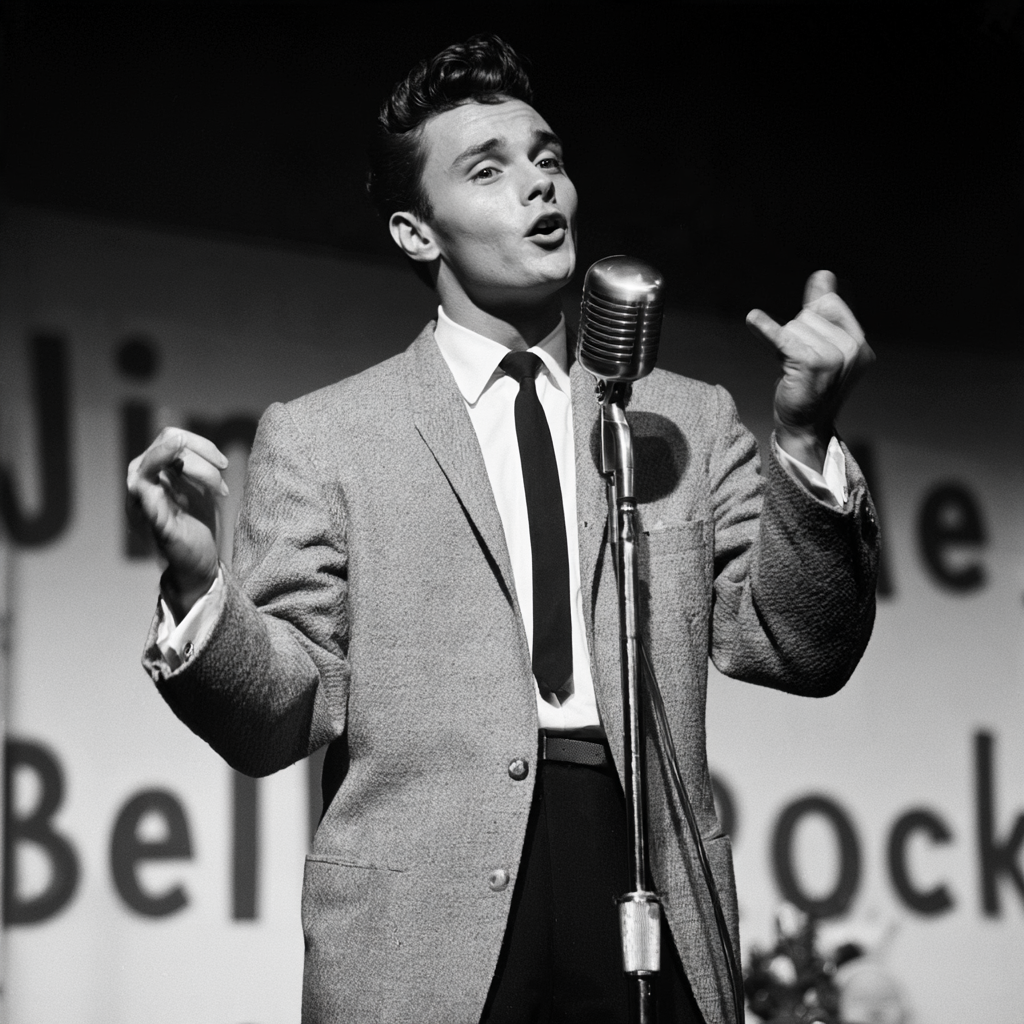
Who Originally Sang “Jingle Bell Rock”? Bobby Helms Explained
“Jingle Bell Rock” was originally recorded by American country singer Bobby Helms in 1957.
It’s his recording that remains most strongly associated with Christmas radio and seasonal playlists.
The song combines rock and roll, country and traditional Christmas imagery.
But its musical history is more interesting than many listeners realise.
The famous guitar arrangement helped distinguish it from older Christmas recordings.
Helms subsequently recorded the composition again on several occasions.
And decades later, the song acquired another cultural identity through films including Mean Girls.
Who was Bobby Helms?
An American country singer who became successful during the 1950s.
His earlier hits included “Fraulein” and “My Special Angel”.
Helms developed a vocal style combining country and popular-music influences.
That made him particularly suitable for a Christmas song incorporating the rhythm of rock and roll.
“Jingle Bell Rock” became his defining international recording.
Although he continued performing and recording, the Christmas hit remained the song most closely associated with his career.
When was the original released?
1957.
The recording arrived during the early commercial development of rock and roll.
Popular music was changing rapidly.
Artists were combining country, rhythm and blues, and rockabilly influences in new ways.
“Jingle Bell Rock” placed those musical ideas inside a seasonal composition.
That helped give the recording a distinctive identity.
It sounded modern compared with many older Christmas standards.
Who wrote “Jingle Bell Rock”?
The standard songwriting credits name Joe Beal and Jim Boothe.
However, the composition’s authorship has been disputed.
Bobby Helms and guitarist Hank Garland were associated with competing accounts of how the song developed.
That makes its history more complicated than simply identifying two names on the record label.
The safest distinction is between the officially credited writers and later claims surrounding the recording.
The original commercially released performance belongs to Helms.
Who plays the famous guitar?
Hank Garland.
Garland was an accomplished session guitarist associated with Nashville recording.
His playing contributes much of the song’s rockabilly character.
The guitar phrases help give the recording movement between the vocal sections.
That instrumental personality became central to the song’s appeal.
It’s one reason the recording remains recognisable even before Helms begins singing.
Is Jingle Bell Rock a country song?
It has strong country and rockabilly influences.
But it also belongs to the wider early rock-and-roll tradition.
The rhythm encourages dancing.
The guitar has a distinctive country-derived style.
And the vocal remains accessible as mainstream pop.
That combination makes the recording difficult to place inside one narrow genre.
It’s best understood as an early example of Christmas rock and roll.
Is it connected with the older song “Jingle Bells”?
The title deliberately references the famous nineteenth-century Christmas song.
But “Jingle Bell Rock” is a separate composition.
It isn’t simply a rock arrangement of “Jingle Bells”.
The melody and structure are different.
The familiar title helps connect the song with Christmas while introducing the newer rhythmic identity.
Why is the song in Mean Girls?
Because it works perfectly for a theatrical Christmas dance scene.
The 2004 film features the Plastics performing to “Jingle Bell Rock” during a school talent show.
The sequence becomes increasingly chaotic.
The familiar Christmas song provides a deliberately cheerful contrast with the characters’ behaviour.
That created another cultural identity for the recording.
For some younger viewers, Mean Girls became their first introduction to the song.
Did Bobby Helms record different versions?
Yes.
Helms returned to the composition during later stages of his career.
That means listeners can encounter recordings bearing his name that don’t sound identical.
The original 1957 performance remains the definitive starting point.
Its arrangement is the one most strongly associated with the song’s early success.
When comparing versions, it’s worth checking the recording year rather than assuming every release by the same singer uses the same original audio.
Why does the song sound cheerful?
Because it’s built around dance music.
The rhythm is energetic.
The guitar is playful.
And the melody is immediately accessible.
Unlike many Christmas ballads, the song doesn’t focus on emotional longing or separation.
Its subject is seasonal celebration.
The music communicates that through movement.
Was it popular immediately?
The original recording became a hit during the late 1950s.
But its long-term cultural importance developed through repeated Christmas listening.
The song returned to radio playlists and seasonal charts across later decades.
Eventually, it became part of the standard Christmas catalogue.
That process is particularly interesting because a recording can remain commercially important long after its original audience has changed.
What other songs did Bobby Helms record?
Start with “My Special Angel” and “Fraulein”.
These recordings demonstrate Helms’ country-pop background.
They also help explain why his vocal delivery sounds different from conventional early rock-and-roll performers.
The Christmas recording brought those musical qualities into a much more enduring seasonal context.
Songs like Jingle Bell Rock
Try Brenda Lee’s “Rockin’ Around the Christmas Tree”, Chuck Berry’s “Run Rudolph Run”, The Beach Boys’ “Little Saint Nick”, Elvis Presley’s “Santa Claus Is Back in Town” and The Ronettes’ “Sleigh Ride”.
These recordings combine Christmas imagery with energetic popular music.
For another original Christmas recording with a surprising age-related story, the Brenda Lee article in this batch explores how a thirteen-year-old singer created a song that eventually reached No. 1 after 65 years.
Who originally sang “Jingle Bell Rock”?
Bobby Helms in 1957.
The standard songwriting credits name Joe Beal and Jim Boothe.
The recording’s rockabilly guitar and energetic rhythm helped establish it as one of the first enduring Christmas rock-and-roll hits.
Its later appearance in Mean Girls introduced it to another generation, but the original remains a defining part of 1950s Christmas music.