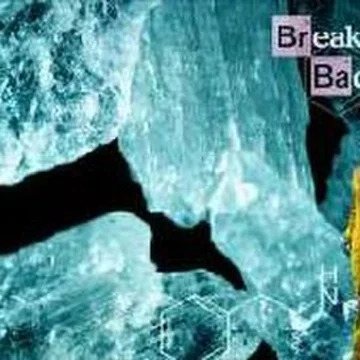
What Song Plays at the End of Breaking Bad? “Baby Blue” Explained
The song playing during the final moments of Breaking Bad is “Baby Blue” by Badfinger.
The recording originally appeared on the British rock band’s 1971 album Straight Up.
But its appearance in the 2013 series finale transformed it into one of television’s most recognisable soundtrack moments.
The choice wasn’t accidental.
Series creator Vince Gilligan believed the recording captured something essential about Walter White.
And the song’s title provided a particularly appropriate connection with the programme’s story.
What happens during the final scene?
Walter White returns to a methamphetamine laboratory.
He has spent years developing an illegal drug business under increasingly dangerous circumstances.
By the final episode, his personal life has been devastated.
Many relationships are destroyed.
His health is deteriorating.
And the consequences of his choices have become unavoidable.
As he walks through the laboratory, the audience sees him surrounded by the equipment associated with his criminal career.
Then “Baby Blue” begins playing.
The music continues as the character’s story reaches its conclusion.
Who are Badfinger?
A British rock band associated with the late 1960s and early 1970s.
The group became known for melodic guitar-driven songwriting.
Its members included Pete Ham, Tom Evans, Joey Molland and Mike Gibbins.
Badfinger were signed to Apple Records, the label established by The Beatles.
Their recordings included “Come and Get It”, “No Matter What”, “Day After Day” and “Baby Blue”.
The band became particularly influential within the development of power pop.
Who wrote “Baby Blue”?
Pete Ham.
He was one of Badfinger’s principal songwriters and vocalists.
Ham developed the composition following a romantic relationship with a woman named Dixie Armstrong.
The song explores the emotional aftermath of that connection.
Its original subject is therefore romantic regret.
It wasn’t written about drugs, crime or television.
Those associations developed decades later.
What does “Baby Blue” originally mean?
The narrator reflects on a relationship that didn’t work.
There is affection.
Regret.
And the recognition that mistakes may have damaged something important.
The music sounds comparatively upbeat.
But the emotional message is more complicated.
That contrast made it particularly suitable for Breaking Bad.
The song sounds warm and melodic while describing the consequences of past decisions.
Why did Vince Gilligan choose it?
Because its title and emotional subject connected with Walter White.
Walter’s methamphetamine became famous within the fictional world for its distinctive blue colour.
That makes “Baby Blue” an obvious symbolic connection.
But the choice works on another level.
Walter eventually admits that he enjoyed the power and identity his criminal enterprise gave him.
The laboratory represented something he loved, despite the destruction it caused.
The song can therefore be heard as a strange love song to the life he created.
Did the music supervisor immediately agree?
Not initially.
Thomas Golubić, the show’s music supervisor, has discussed the decision.
He initially questioned whether a relatively gentle 1970s love song was appropriate for the ending.
But once the music was placed beneath the finished footage, the connection became obvious.
The recording’s emotional warmth provided an unusual contrast with the character’s final circumstances.
The sequence didn’t need aggressive music.
It needed something that acknowledged Walter’s complicated attachment to his own creation.
Why does the music begin at exactly that moment?
Because the laboratory is central to Walter’s identity.
He began the series as a chemistry teacher.
His knowledge of chemistry became the foundation of his criminal career.
By the ending, he has lost much of what originally mattered to him.
But his relationship with the laboratory remains recognisable.
The music turns that final encounter into something almost sentimental.
It suggests that Walter is looking at the thing he believes he created.
And perhaps the thing that ultimately destroyed him.
Was “Baby Blue” famous before Breaking Bad?
Yes.
The recording was released as a single in 1972.
It reached No. 14 on the Billboard Hot 100.
Badfinger already had a significant audience.
But the song wasn’t necessarily the group’s most internationally recognisable recording.
Its appearance in Breaking Bad created a major commercial revival.
Following the finale, digital sales and streaming activity increased dramatically.
That gave the recording another life more than forty years after its original release.
Was the song also in The Departed?
Yes.
“Baby Blue” appeared in Martin Scorsese’s 2006 film The Departed.
That existing cinematic association was one reason the Breaking Bad music team initially had reservations.
But Gilligan believed the song was right for the final scene.
The finished sequence established an even stronger connection between the recording and television history.
Is the song about blue meth?
No.
That’s an interpretation created by the television placement.
Pete Ham wrote the composition decades before Breaking Bad existed.
The original subject was a romantic relationship.
But filmmakers can create new meanings by placing existing recordings within different stories.
That’s exactly what happened here.
The blue in the title became connected with Walter White’s distinctive product.
The romantic regret became connected with his destructive obsession.
What genre is “Baby Blue”?
Power pop.
Pop rock.
Classic rock.
The song combines strong melodic writing with an energetic guitar arrangement.
Badfinger were important figures within the development of power pop.
That genre frequently combines the accessibility of mainstream pop with the instrumentation of rock music.
Listeners interested in classic soundtrack discoveries should also explore Radar’s explanation of the “Misirlou” opening from Pulp Fiction, another example of an older recording gaining a new cinematic identity.
Songs like “Baby Blue”
Try Badfinger’s “Day After Day” and “No Matter What”.
Then explore Big Star’s “September Gurls”, The Raspberries’ “Go All the Way”, Cheap Trick’s “Surrender” and The Beatles’ “Getting Better”.
These recordings share different combinations of strong melodies, guitar-based arrangements and emotional pop songwriting.
Why is the Breaking Bad ending still so memorable?
Because the music avoids telling the audience exactly how to feel.
Walter is a deeply complicated character.
The ending contains elements of tragedy, consequence and personal satisfaction.
“Baby Blue” reflects that complexity.
It sounds almost cheerful.
Yet the situation is devastating.
The contrast allows the audience to experience several emotions simultaneously.
What song plays at the end of Breaking Bad?
“Baby Blue” by Badfinger.
Written by Pete Ham and released as a single in 1972.
Vince Gilligan used it during the show’s final scene in 2013 because of its connection with Walter White’s blue meth and his complicated relationship with his criminal career.
The result became one of television’s most memorable uses of popular music.
A song originally written about romantic regret became the final soundtrack to a man destroyed by his own ambition.