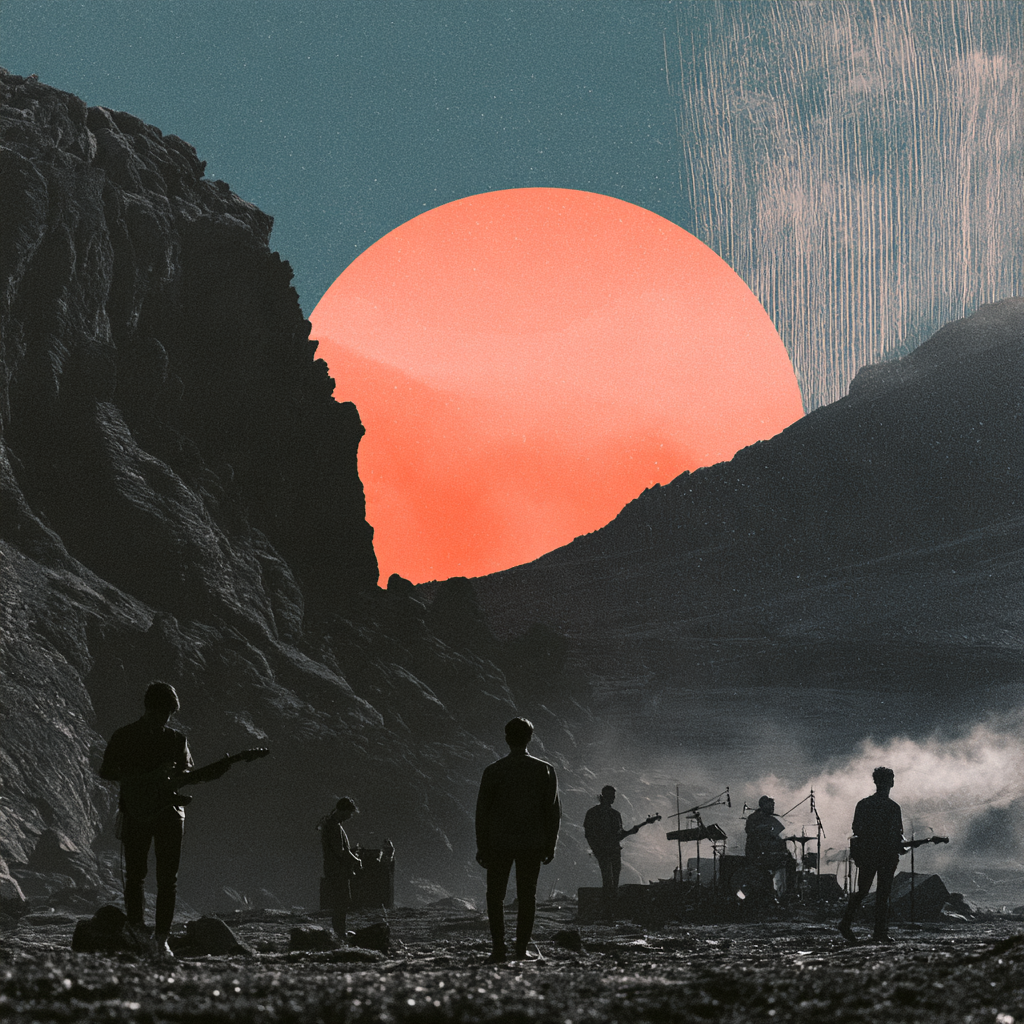
What Is Post-Rock? 15 Essential Songs and Bands for Beginners
Post-rock is a style of experimental rock music that often places greater emphasis on atmosphere and instrumental development than conventional verses and choruses.
The music frequently uses familiar rock instruments.
Guitars.
Bass.
Drums.
But the arrangements don’t always behave like ordinary rock songs.
A composition might begin quietly and develop for ten minutes before reaching an enormous climax.
Other recordings use repetition, unusual rhythms and electronic textures.
Artists including Mogwai, Sigur Rós, Slint, Tortoise and Explosions in the Sky helped establish different parts of the sound.
Here are fifteen essential tracks and recordings worth discovering.
Where did post-rock originate?
The style developed through experimental rock during the late 1980s and early 1990s.
Talk Talk’s later albums became especially influential.
The band moved away from its earlier synth-pop sound towards atmospheric music using unconventional structures.
Slint developed another important direction through quiet, tense passages and dramatic changes in volume.
Tortoise subsequently helped establish a more rhythmically experimental American style.
The movement eventually expanded into several different forms of instrumental and cinematic rock.
1. Sigur Rós – Hoppípolla
An accessible starting point.
“Hoppípolla” combines atmospheric instrumentation with an enormous emotional melody.
The arrangement gradually expands.
It’s an excellent example of post-rock creating a sense of joy and scale without relying on conventional pop production.
The Icelandic group’s music frequently incorporates vocals, but the instrumental atmosphere remains central.
2. Explosions in the Sky – Your Hand in Mine
One of the most recognisable instrumental post-rock recordings.
The guitars develop through repeating melodic ideas.
The drums gradually increase the intensity.
The result feels cinematic.
It’s particularly suitable for listeners who enjoy music that communicates emotion without lyrics.
3. Mogwai – Mogwai Fear Satan
A defining Scottish post-rock recording.
The composition develops through extended instrumental sections and enormous contrasts in volume.
Mogwai became famous for creating music that can move from almost complete restraint to overwhelming intensity.
This track is an excellent introduction to that approach.
4. Slint – Breadcrumb Trail
An important early recording from the 1991 album Spiderland.
Slint combine unusual rhythmic arrangements with spoken and sung vocals.
The music is tense and unpredictable.
It’s less obviously beautiful than some later post-rock.
But its influence is enormous.
5. Godspeed You! Black Emperor – The Dead Flag Blues
A dark, atmospheric recommendation.
The Canadian collective combine guitar, strings and spoken-word material.
Their compositions often unfold over extended periods.
“The Dead Flag Blues” feels almost like a soundtrack to an imaginary film.
It’s particularly suitable for listeners interested in the darker side of post-rock.
6. Talk Talk – The Rainbow
An important precursor to the genre.
Talk Talk’s later work became increasingly experimental.
“The Rainbow” from Spirit of Eden combines rock instrumentation with jazz-influenced arrangements and atmospheric production.
It’s an essential recording for understanding how post-rock developed beyond conventional pop structures.
7. Tortoise – Djed
A rhythmically experimental recommendation.
Tortoise combine electronic influences with rock instrumentation and unusual musical structures.
“Djed” demonstrates how the genre can develop through repetition and texture rather than enormous guitar climaxes.
It’s an excellent contrast with more cinematic post-rock bands.
8. Mogwai – Take Me Somewhere Nice
A more melodic recording.
The atmosphere is gentle and melancholy.
The arrangement is restrained compared with the group’s louder material.
It’s particularly suitable for listeners who enjoy dream pop and atmospheric indie rock.
9. Sigur Rós – Svefn-g-englar
A slower, dreamlike composition.
The guitars and keyboards create enormous space.
Jónsi’s vocal becomes part of the instrumental texture.
The recording is hypnotic and emotionally ambiguous.
It’s one of the clearest examples of post-rock being defined by atmosphere.
10. Explosions in the Sky – The Birth and Death of the Day
A dramatic instrumental recording.
The arrangement develops through powerful guitar textures and changing intensity.
It’s especially suitable for listeners who enjoy music that feels like a cinematic journey.
The band became strongly associated with this approach.
11. This Will Destroy You – The Mighty Rio Grande
A modern instrumental favourite.
The composition builds gradually from delicate textures towards an enormous climax.
It’s particularly suitable for emotional film scenes and reflective listening.
12. Mono – Ashes in the Snow
A Japanese post-rock recording with an expansive, orchestral character.
Mono combine powerful guitars with emotional instrumental writing.
The music develops slowly.
It’s one of the strongest recommendations for listeners who want post-rock at its most cinematic.
13. Do Make Say Think – Goodbye Enemy Airship
A rhythmically sophisticated recording.
The Canadian band combine rock, jazz and experimental influences.
The arrangement has considerable movement.
It’s an excellent example of post-rock sounding energetic without relying on conventional pop vocals.
14. Russian Circles – Harper Lewis
A heavier instrumental recommendation.
Russian Circles combine post-rock with metal influences.
The guitars are powerful and rhythmic.
The recording is particularly suitable for listeners interested in the more aggressive side of the genre.
15. Godspeed You! Black Emperor – East Hastings
Finish with one of post-rock’s most recognisable cinematic recordings.
“East Hastings” became associated with the film 28 Days Later.
Its slow development and unsettling atmosphere are particularly effective.
Radar’s guide to the music of 28 Days Later explains how it differs from John Murphy’s famous theme.
Is post-rock always instrumental?
No.
Many important recordings contain vocals.
But conventional verse-chorus songwriting is often less important than atmosphere and instrumental development.
Bands may treat the human voice as another musical texture.
That allows the arrangements to become unusually expansive.
What is the difference between post-rock and progressive rock?
The two styles overlap in their willingness to experiment.
Progressive rock often emphasises elaborate compositions, technical performance and changing time signatures.
Post-rock frequently places greater emphasis on texture, repetition and gradual emotional development.
These are broad descriptions rather than strict rules.
Why does post-rock sound so cinematic?
Because many compositions develop slowly.
That gives the listener time to imagine a scene.
The music can communicate anticipation.
Danger.
Hope.
Or emotional release.
Without lyrics, the audience is free to associate those sounds with personal experiences.
That makes the genre particularly suitable for film and video-game soundtracks.
Which three songs should beginners hear first?
Start with Explosions in the Sky’s “Your Hand in Mine”.
Then Sigur Rós’ “Hoppípolla”.
Finish with Mogwai’s “Take Me Somewhere Nice”.
Those three provide a gentle introduction before exploring the longer and more experimental recordings.
What is post-rock?
Experimental rock that often prioritises atmosphere, texture and instrumental development over conventional pop structures.
The genre ranges from delicate, melodic compositions to enormous, unsettling soundscapes.
It’s particularly rewarding for listeners who enjoy music that feels like a story, even when nobody is singing.