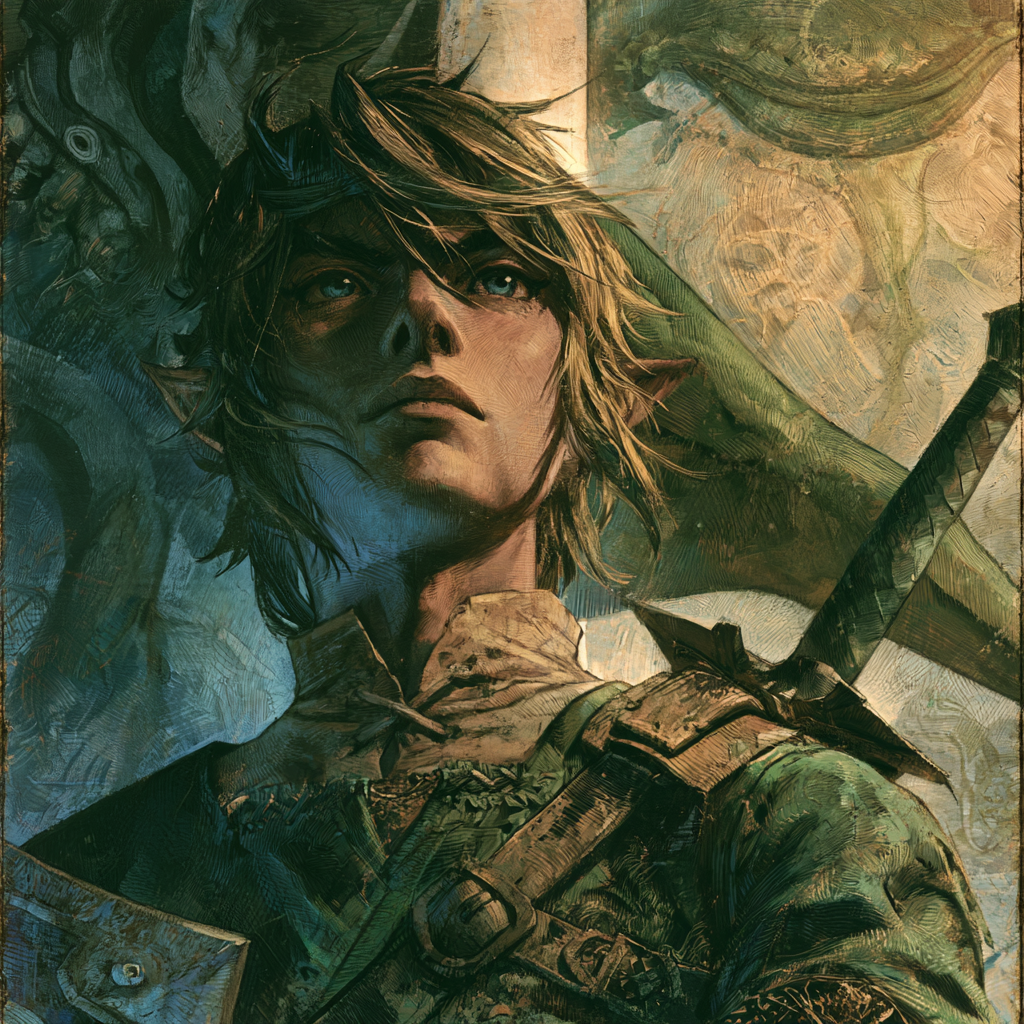
What Is “Midna’s Lament” in Zelda: Twilight Princess? Theme Explained
“Midna’s Lament” is an instrumental composition from The Legend of Zelda: Twilight Princess, composed by Toru Minegishi.
It’s one of the game’s most emotionally memorable musical pieces.
The recording is associated with a dramatic section in which Link must help an injured Midna.
Rather than using the enormous heroic sound associated with many Zelda themes, “Midna’s Lament” is restrained, melancholy and urgent.
Its melody creates a strong sense of vulnerability.
As Twilight Princess reaches its twentieth anniversary on 19 November 2026, it’s an excellent time to revisit the music.
Who is Midna?
A central character in Twilight Princess.
She comes from the Twilight Realm and becomes an important companion to Link.
At first, her personality is sarcastic and difficult to understand.
She often appears more interested in her own goals than in helping other people.
But her character develops significantly throughout the story.
That development makes her one of the more memorable companions in the Zelda franchise.
When does “Midna’s Lament” play?
During an important story sequence involving Midna’s injury.
Link must travel to Princess Zelda in an attempt to save her.
The game creates a sense of urgency.
But instead of relying on conventional dramatic battle music, the soundtrack becomes unusually emotional.
That makes the section stand out.
Players aren’t simply trying to defeat another enemy.
They’re attempting to help somebody who has become important to them.
Who composed the music?
Toru Minegishi.
He was one of the principal composers involved in Twilight Princess, alongside Asuka Ohta and Koji Kondo’s wider musical supervision.
Minegishi contributed extensively to the game’s soundtrack.
His work combines familiar Zelda melodic traditions with a darker musical atmosphere.
“Midna’s Lament” is particularly important because it communicates character development through instrumental music.
Is “Midna’s Lament” the same as “Midna’s Desperate Hour”?
The names are associated with the same musical sequence.
“Midna’s Desperate Hour” is an alternative title listeners may encounter when searching soundtrack uploads and arrangements.
The exact track names can vary across releases and online sources.
If you’re looking for the melancholy music associated with Link carrying injured Midna towards Zelda, both search terms can help identify the recording.
Why does the music sound so sad?
Because the emotional situation is uncertain.
Midna has previously behaved with confidence and sarcasm.
The player becomes accustomed to her personality.
But this scene reveals vulnerability.
The music supports that transformation.
Its melody feels fragile.
The arrangement doesn’t become overwhelmingly loud.
That restraint makes the moment more effective.
The soundtrack allows the player to concentrate on Midna’s condition.
Why is the piano important?
The piano-led melody gives the music an intimate character.
Rather than using a full orchestral arrangement to communicate danger, the composition relies on relatively delicate instrumental writing.
That creates a strong contrast with the game’s action.
The player is still moving through a dangerous environment.
But the music communicates concern and sadness.
The result is unusual.
It’s a moment of urgency that sounds almost like a personal memory.
Is “Midna’s Lament” the main Twilight Princess theme?
Not exactly.
The game has several important musical themes.
The main title and field music establish its larger fantasy world.
Midna also has other musical material associated with her character.
“Midna’s Lament” is specifically remembered because of its emotional role in one part of the story.
That makes it different from a conventional title-screen theme.
Why is Twilight Princess music darker than other Zelda games?
The game itself has a more sombre atmosphere than several earlier entries.
Its visual presentation is darker.
The Twilight Realm creates a strange and often unsettling environment.
The soundtrack reflects those qualities.
Some compositions are mysterious.
Others are dramatic.
And pieces such as “Midna’s Lament” are unusually intimate.
That variety helps establish the game’s personality.
Is the music orchestral?
The original game used a combination of sequenced instrumentation and selected orchestral material.
The soundtrack wasn’t performed entirely by a live symphony orchestra.
That distinction matters when comparing it with modern arrangements.
Many fan performances use live piano, strings or full orchestras.
Those can sound considerably different from the original game recording.
But the underlying melody remains recognisable.
Why is the theme so popular with musicians?
Because the melody works well independently of the game.
Pianists can perform it as a solo instrumental.
String ensembles can create more expansive arrangements.
And orchestras can transform it into a larger cinematic piece.
The composition communicates emotion without needing lyrics.
That’s particularly valuable for a video-game theme.
Listeners don’t need to understand every part of Midna’s story to recognise its melancholy character.
Does the song return later in the franchise?
Midna remains strongly associated with Twilight Princess.
The character and music have inspired performances and arrangements beyond the original release.
But “Midna’s Lament” is most directly connected with its original game’s emotional story.
It’s worth distinguishing a new performance of the composition from an official recurring theme in another Zelda game.
What other Zelda music should you hear?
Try “Midna’s Theme”, “Hyrule Field Main Theme”, “Lake Hylia” and “The Legend of Zelda Main Theme”.
For a gentler Zelda melody, explore “Zelda’s Lullaby”.
And for another video-game composition that communicates enormous atmosphere without lyrics, Radar’s Kingdom Hearts “Dearly Beloved” explainer offers a useful comparison.
Both pieces demonstrate how simple melodic ideas can become emotionally important to players.
Why is Midna such a memorable character?
Because her personality develops.
She doesn’t begin as a conventional friendly companion.
The player gradually understands her motivations and experiences.
That makes moments of vulnerability more meaningful.
The music helps communicate the change.
A character who originally seemed difficult and sarcastic becomes somebody the player genuinely wants to protect.
What is “Midna’s Lament”?
An instrumental theme composed by Toru Minegishi for The Legend of Zelda: Twilight Princess.
It accompanies an emotionally important sequence involving Midna and Link.
Its restrained, melancholy melody has become one of the game’s defining musical memories.
Twenty years after the original release, it’s still a powerful example of video-game music communicating character development without words.