What Is Brazilian Funk? 12 Essential Baile Funk Songs for Beginners
Brazilian funk is a style of electronic dance music that developed around Rio de Janeiro during the 1980s and 1990s.
It’s also known as funk carioca or baile funk.
The genre combines powerful electronic drums, bass-heavy production and Portuguese-language vocals.
It has become one of Brazil’s most influential musical exports.
But there’s an important distinction.
Brazilian funk is not the same thing as the American funk associated with James Brown or Parliament-Funkadelic.
And it isn’t simply another name for phonk.
The genre has its own history, rooted in Brazilian dance culture and musical communities.
If you’ve heard music by Anitta, MC Fioti or DJ K, you may already have encountered different sides of the sound.
What does baile funk mean?
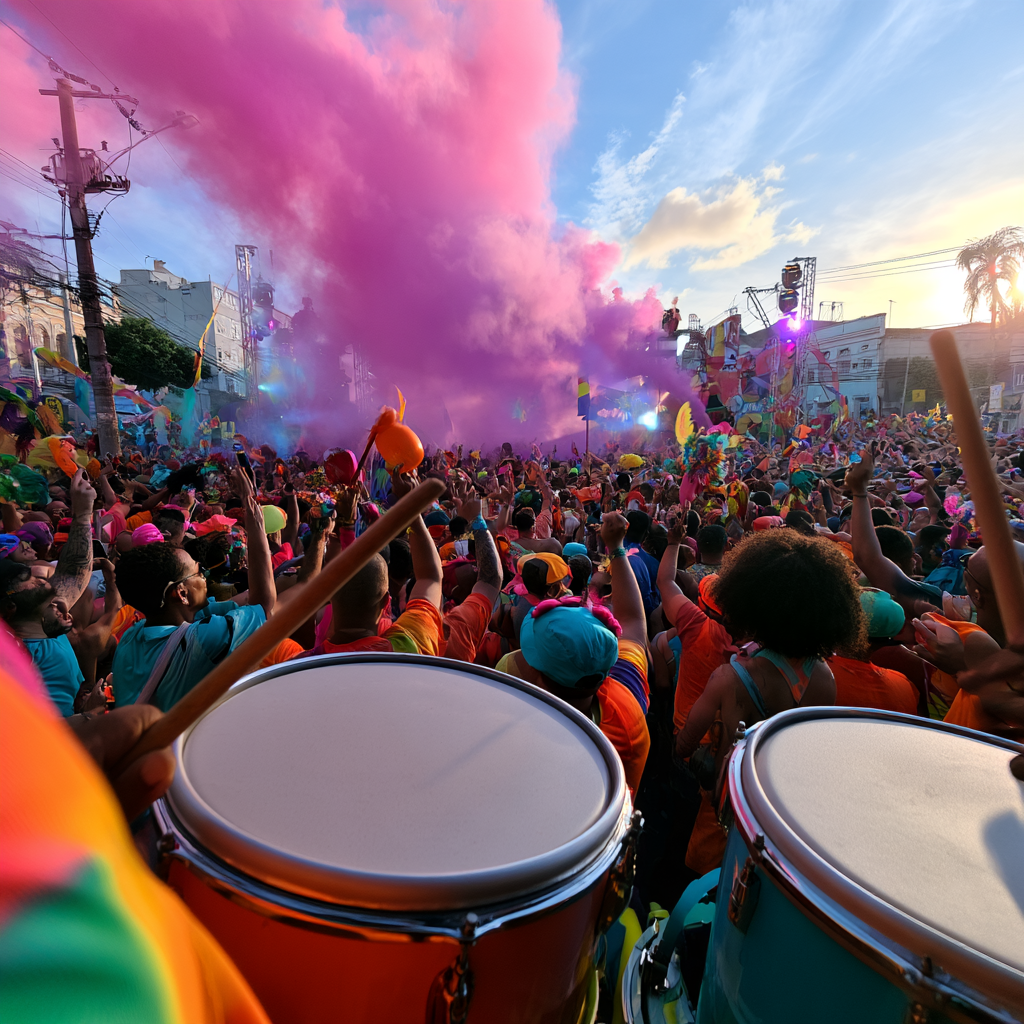
A baile is a dance or party.
The term became associated with large dance events where DJs played rhythmically intense music.
Those gatherings were particularly important in communities around Rio de Janeiro.
Over time, the music developed its own identity.
The term baile funk became a convenient way to describe the genre internationally.
Within Brazil, listeners may simply call it funk.
Where did Brazilian funk originate?
Rio de Janeiro.
During the 1970s and 1980s, local DJs were influenced by American soul, funk, electro and dance music.
Miami bass became particularly important.
The genre’s powerful electronic drums worked naturally in large sound-system environments.
Brazilian musicians began creating their own interpretations.
They added Portuguese vocals.
Local rhythms.
New production techniques.
The music gradually developed into something distinctly Brazilian.
Who was DJ Marlboro?
One of the genre’s most important early figures.
DJ Marlboro helped popularise Brazilian funk through performances and recordings.
His 1989 compilation Funk Brasil became an important release in the development of the style.
It helped establish Portuguese-language recordings using electronic rhythms associated with the local dance scene.
That made it easier for Brazilian funk to develop its own musical identity rather than relying primarily on imported recordings.
What does Brazilian funk sound like?
Rhythm is central.
The music frequently uses:
powerful bass
syncopated electronic percussion
short vocal hooks
repetition
and strong dancefloor energy.
Some recordings are relatively minimal.
Others contain enormous electronic production.
The genre has also developed numerous substyles.
That variety is important.
Brazilian funk is not one fixed sound.
1. MC Cidinho & MC Doca – Rap da Felicidade
An essential historical recording.
The song became famous for its portrayal of life in Rio’s communities.
It demonstrates that Brazilian funk isn’t simply party music.
The genre has also been used to describe social inequality, identity and the desire for a better life.
The rhythm is more restrained than some modern recordings.
The message is particularly important.
2. Bonde do Tigrão – Cerol na Mão
A defining recording from the early-2000s popularisation of Brazilian funk.
Bonde do Tigrão helped bring the sound to a wider Brazilian audience.
The arrangement is rhythmic and repetitive.
The vocals are designed around participation.
It’s an excellent introduction to the era when funk began becoming a much more visible part of mainstream Brazilian pop culture.
3. MC Marcinho – Glamurosa
A more melodic recommendation.
MC Marcinho became one of the important figures associated with funk melody.
His recordings demonstrate how the genre could incorporate romantic themes alongside electronic dance production.
“Glamurosa” became one of his best-known songs.
It’s a useful introduction for listeners who prefer melody over aggressive percussion.
4. MC Leozinho – Ela Só Pensa em Beijar
Another important mainstream recording.
The song combines a memorable vocal hook with a relatively accessible rhythmic arrangement.
It became particularly popular during the 2000s.
The production demonstrates how Brazilian funk could move beyond local dance events into wider radio and television culture.
5. MC João – Baile de Favela
One of the most recognisable modern funk recordings.
The rhythm is energetic.
The vocal is direct.
The production is designed around repetition and impact.
The track became particularly successful through dance videos and social-media circulation.
It’s an excellent starting point for listeners interested in the more aggressive side of the genre.
6. MC Fioti – Bum Bum Tam Tam
An enormous international crossover.
MC Fioti combines Brazilian funk production with a recognisable flute melody.
The recording became popular far beyond Brazil.
Its success helped introduce international audiences to the genre’s rhythmic vocabulary.
The track is also particularly useful because the musical hook connects with much older classical music.
7. MC Kevinho – Olha a Explosão
One of the defining modern funk hits.
The recording has a powerful bass-driven rhythm.
Its repetitive vocal hook makes it immediately suitable for dancing.
The song became internationally recognisable through social media.
It’s a good example of how modern Brazilian funk can cross language barriers through rhythm alone.
8. Anitta – Vai Malandra
A major Brazilian pop-funk crossover.
Anitta combines funk carioca influences with contemporary pop production.
“Vai Malandra” also celebrates elements of Brazilian urban culture through its visual presentation.
The recording became internationally successful.
It’s an excellent introduction for listeners arriving from mainstream pop rather than underground electronic music.
9. Kevin O Chris – Evoluiu
A strong example of modern Brazilian funk’s rhythmic development.
The production is more electronic and club-oriented than many older recordings.
The track demonstrates how the genre has continued evolving through new producers and regional scenes.
It’s particularly effective for listeners interested in dancefloor-focused music.
10. Pedro Sampaio featuring MC Pedrinho – Dançarina
A more polished contemporary interpretation.
Pedro Sampaio combines Brazilian funk with modern electronic-pop production.
“Dançarina” has a memorable hook and strong rhythmic energy.
It’s a useful bridge between traditional Brazilian funk and the wider international dance-pop market.
11. DJ K – Music from the bruxaria scene
DJ K represents a much darker and more experimental direction.
His work combines distorted bass, aggressive electronic sounds and unusual rhythmic textures.
The style is associated with bruxaria, a term that translates as witchcraft.
The music can sound frightening or deliberately abrasive.
It’s a dramatic contrast with the more accessible recordings on this list.
For a starting point, explore his album Pânico no Submundo.
12. Weird Baile – Collected Rips
For listeners interested in the genre’s experimental future.
The collective Weird Baile explores connections between Brazilian funk and other electronic styles.
Their music incorporates elements from:
grime
dubstep
industrial electronic music
and experimental dance production.
Collected Rips 2004–2024 brings together material demonstrating that approach.
The project is an excellent next step for listeners who want to move beyond mainstream funk hits.
What is the tamborzão rhythm?
One of Brazilian funk’s defining rhythmic developments.
The term describes a powerful percussion pattern that became particularly influential during the late 1990s.
It helped move the genre away from some earlier imported drum-machine rhythms.
The pattern creates a more distinctive Brazilian rhythmic character.
You can hear variations of it throughout later funk recordings.
What is 150 BPM funk?
A faster style of Brazilian funk.
The name refers to the tempo.
BPM means beats per minute.
As producers began experimenting with faster rhythms, 150 BPM became particularly associated with a more aggressive club sound.
That increased speed changes the physical feeling of the music.
The bass and percussion become particularly intense.
Is Brazilian funk the same as phonk?
No.
Brazilian funk has its own history.
Phonk developed through American Southern hip-hop and later internet music scenes.
Modern producers sometimes combine the two styles.
That creates recordings internationally labelled Brazilian phonk.
But the overlap shouldn’t erase the distinct Brazilian musical tradition.
Listeners interested in the difference should explore both genres separately before moving into crossover recordings.
Is Brazilian funk the same as American funk?
No.
American funk developed from soul, R&B and related African American musical traditions.
Brazilian funk developed through electronic dance music, Miami bass and Brazilian sound-system culture.
The names are connected historically through musical influence.
But the genres now sound very different.
James Brown and MC Fioti belong to quite different musical worlds.
Why is Brazilian funk becoming more internationally popular?
Because the rhythms translate naturally into visual culture.
Dance videos.
Short-form clips.
Fitness content.
Club performances.
The music creates immediate physical energy.
International artists are also borrowing from its production techniques.
That helps introduce the sound to listeners who may never have encountered the original Brazilian scene.
What are the three best songs for beginners?
Start with:
MC Fioti – Bum Bum Tam Tam.
Anitta – Vai Malandra.
MC Kevinho – Olha a Explosão.
Then explore older recordings from MC Marcinho and Bonde do Tigrão to understand the genre’s history.
What is Brazilian funk?
An electronic dance-music style that developed around Rio de Janeiro and expanded into several different regional and international sounds.
Its foundations lie in Brazilian dance culture, Miami bass influences and local musical innovation.
Modern listeners may discover it through TikTok or international pop.
But the genre’s history is much deeper than one viral rhythm.