What Does Mazzy Star’s “Fade Into You” Actually Mean?
“Fade Into You” sounds like one of the most romantic songs ever recorded.
It probably isn’t.
The song is better understood as being about loving somebody who doesn’t fully connect with you.
The narrator wants emotional closeness so badly that she almost disappears into the other person.
But the relationship feels one-sided.
That tension is why the song feels simultaneously beautiful and devastating.
Who wrote “Fade Into You”?
Mazzy Star singer Hope Sandoval wrote the lyrics, while guitarist David Roback composed the music.
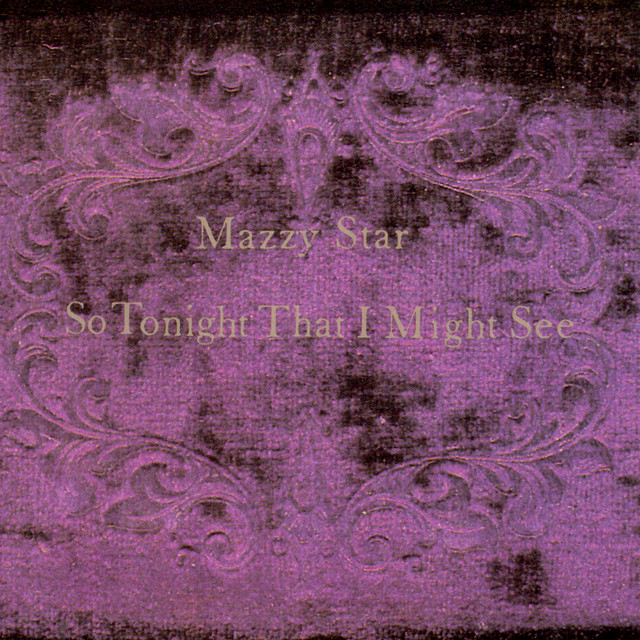
The song appeared on the band’s 1993 album So Tonight That I Might See.
It became their signature recording.
Is it a love song?
Yes.
But not necessarily a happy one.
The narrator clearly feels enormous intimacy toward somebody.
The problem is that the other person seems emotionally distant.
That makes “Fade Into You” closer to a song about unrequited or uneven love.
One person is disappearing into the relationship.
The other remains partly unreachable.
What does “fade into you” mean?
Think about the phrase literally.
One thing fades into another until the boundary disappears.
Applied to a relationship, that can sound romantic.
Two people becoming one.
But it can also sound unhealthy.
Where did you go?
If your entire identity becomes wrapped around another person, eventually there may not be much left of you.
That ambiguity gives the title its power.
Why does the song sound so dreamy?
Reverb.
Slow tempo.
Sandoval’s almost whispered vocal.
Slide guitar.
Lots of space.
Rather than pushing the listener forward, the recording seems to float.
That sound became closely associated with dream pop.
What is dream pop?
Dream pop is a loose genre built around atmosphere.
Common ingredients include:
reverb-heavy guitars
soft vocals
slow or mid-tempo rhythms
hazy production
melancholy melodies
Artists worth exploring include:
Cocteau Twins
Beach House
Slowdive
Cigarettes After Sex
Galaxie 500
Mazzy Star sit comfortably within that musical universe while also drawing from folk, country and psychedelia.
Was “Fade Into You” a huge hit?
Not by modern standards.
It reached No. 44 on the Billboard Hot 100.
Yet its long-term cultural footprint became much bigger than its original chart peak.
By 2025, the recording had passed one billion Spotify streams.
That’s a great example of streaming rewriting musical history.
A moderate 1990s hit became a gigantic catalogue song.
Where have I heard “Fade Into You”?
Probably television.
The song has appeared across numerous shows and films including The O.C., Gilmore Girls, Yellowjackets and other productions.
Music supervisors love it because the song instantly communicates:
intimacy
nostalgia
longing
sadness
without needing dialogue.
Why do younger listeners love it?
Because dream pop fits modern listening incredibly well.
You can put “Fade Into You” beside:
Cigarettes After Sex
Lana Del Rey
Beach House
Daughter
and it doesn’t feel like an antique recording.
It feels like part of the same emotional universe.
Songs like “Fade Into You”
Try:
Mazzy Star – Into Dust
Beach House – Space Song
Cigarettes After Sex – Apocalypse
Cocteau Twins – Heaven or Las Vegas
Slowdive – Alison
The Sundays – Wild Horses
Lana Del Rey – Video Games
Radiohead – All I Need
The Cranberries – Linger
Mojave 3 – Love Songs on the Radio
What is the real meaning?
Wanting somebody more deeply than they appear capable of wanting you.
That’s why the song hurts.
“Fade Into You” isn’t simply about falling in love.
It’s about the danger of disappearing inside it.