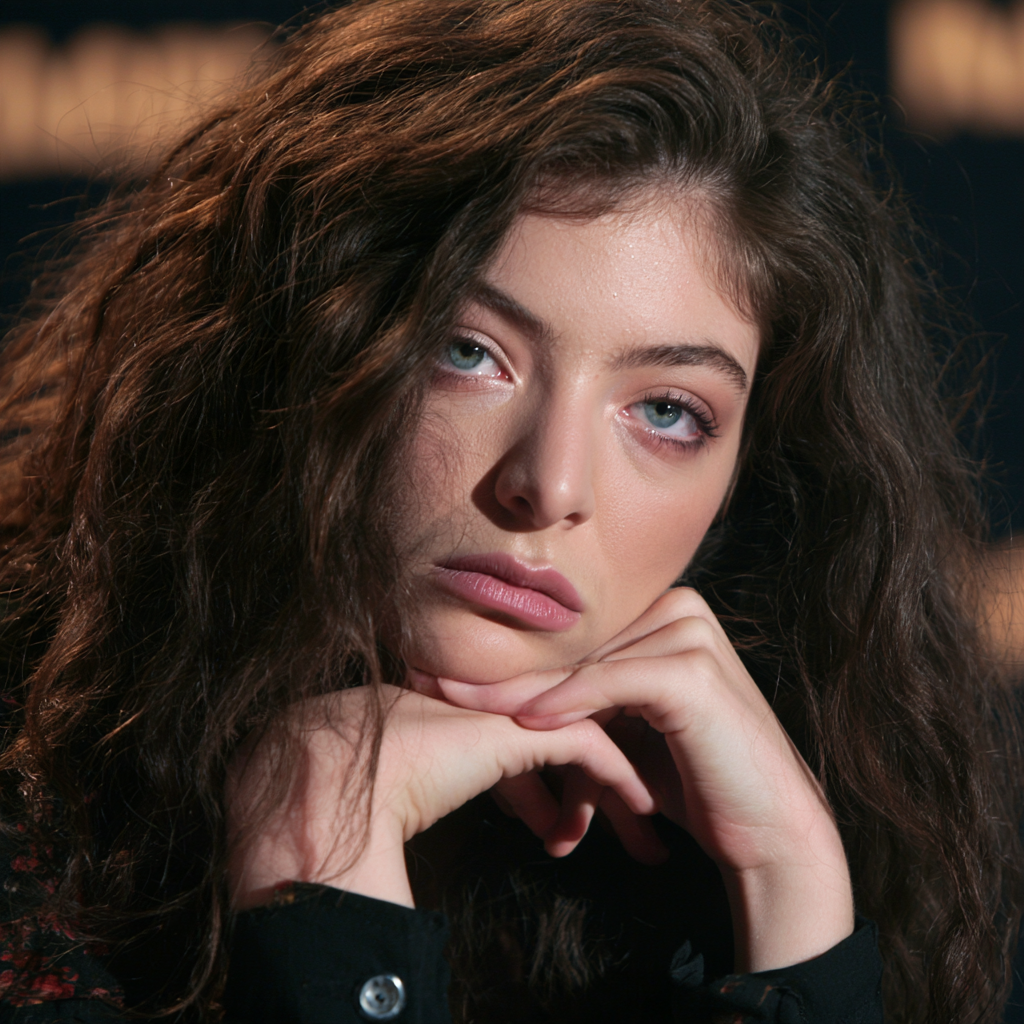
What Does Lorde’s “Ribs” Mean? The Fear of Growing Up Explained
Lorde’s “Ribs” is about the fear of growing older and realising that childhood cannot last forever.
The song appeared on her debut album Pure Heroine in 2013.
But its emotional message has become increasingly recognisable as the listeners who discovered it during their teenage years have grown older themselves.
The recording captures an unusual moment.
You’re still young.
You’re enjoying life with your friends.
But you suddenly realise that everything is changing.
And you can’t stop time.
That contradiction makes “Ribs” one of Lorde’s most emotionally powerful songs.
Who wrote Ribs?
Lorde, whose real name is Ella Yelich-O’Connor.
She developed the composition with producer Joel Little.
The two worked together extensively during the creation of Pure Heroine.
Their musical approach was relatively minimalist.
Rather than using enormous pop arrangements, they frequently emphasised rhythm, atmosphere and vocal personality.
“Ribs” is one of the most distinctive recordings from that period.
Its production creates a sense of emotional movement without relying on conventional rock instrumentation.
When was Ribs released?
2013.
It appeared on Lorde’s debut studio album Pure Heroine.
The album also includes “Royals”, “Tennis Court” and “Team”.
Those recordings helped establish Lorde as one of the most distinctive new pop artists of the early 2010s.
She was still a teenager when the music became internationally successful.
That context is important.
“Ribs” describes fears she was experiencing at an unusually young age.
What does Ribs actually mean?
The anxiety of growing up.
The narrator is surrounded by familiar people and experiences.
But she senses that these moments are temporary.
Childhood friendships change.
People become adults.
Responsibilities increase.
And familiar environments eventually disappear.
The song communicates the fear of losing something before it’s even gone.
That’s what makes it unusually emotional.
It isn’t simply nostalgia for the distant past.
It’s nostalgia for the present while you’re still experiencing it.
Why is the song about getting older?
Lorde became unusually aware of age during her early career.
She was a teenager entering an international music industry normally dominated by adults.
Her sudden success made the transition from childhood to adulthood feel particularly complicated.
In interviews during the Pure Heroine period, she discussed how enormous the difference between individual teenage years could feel.
That perspective helps explain “Ribs”.
The song captures somebody recognising how quickly life is changing.
Why does the music sound so nostalgic?
Because of repetition and atmosphere.
The arrangement uses electronic textures and a restrained rhythm.
Lorde’s voice becomes central.
The music gradually develops emotional intensity.
Rather than creating one enormous conventional chorus, the recording builds a hypnotic atmosphere.
That makes it feel almost like a memory.
The listener experiences the song as something emotionally familiar even before fully understanding the words.
What does the party imagery mean?
The song contains images associated with teenage gatherings and friendships.
Those details establish a particular moment in life.
People are together.
There’s excitement.
But the narrator recognises that the experience cannot continue indefinitely.
That makes the ordinary setting particularly important.
The song isn’t about a grand historical event.
It’s about an everyday experience suddenly becoming emotionally significant.
A party can become a memory before it’s even finished.
Is Ribs a sad song?
Emotionally, yes.
But it isn’t necessarily hopeless.
The recording captures fear and affection simultaneously.
The narrator is frightened of growing older because the present matters so much.
That means the sadness comes partly from happiness.
You recognise something beautiful.
Then realise it can’t last forever.
That emotional contradiction is central to the song.
Why do people find Ribs more emotional as they age?
Because their relationship with the subject changes.
A teenager may hear the song as a description of something they fear.
A person in their twenties may hear it as a memory of school or university.
Somebody older may connect it with an entirely different period of life.
The composition develops new meanings as listeners accumulate experiences.
That’s one reason it has remained popular long after its original release.
Is the song autobiographical?
It’s closely connected with Lorde’s own feelings about youth and growing older.
But the recording doesn’t need to represent one exact event.
The emotional perspective is personal.
The experiences are widely recognisable.
That distinction helps the song reach listeners whose lives are very different from hers.
Most people understand the fear of change even if they never became internationally famous teenagers.
Why is it called Ribs?
The title is deliberately unusual.
It doesn’t provide a straightforward explanation of the song’s subject.
That fits Lorde’s early songwriting style.
She frequently used specific images and phrases rather than conventional descriptive titles.
The emotional connection with physical vulnerability can be heard in the title.
But it shouldn’t be reduced to one unsupported literal interpretation.
The central meaning remains the anxiety surrounding age and change.
How is Ribs connected with Lorde’s later music?
Her later work frequently revisits questions about identity, memory and personal development.
On Solar Power, Lorde approached those experiences from a more mature perspective.
She also discussed connections between earlier musical ideas and later songwriting.
That makes her catalogue particularly interesting when heard chronologically.
The teenager who wrote “Ribs” eventually became an adult reflecting on that earlier version of herself.
What genre is Ribs?
Alternative pop and electropop.
The recording also incorporates atmospheric electronic production.
Its musical structure is less conventional than many mainstream pop singles from 2013.
That helped distinguish Lorde’s early work.
The production is restrained enough to remain relatively timeless.
Songs like Ribs
Try:
- Lorde – 400 Lux
- Lorde – Supercut
- M83 – Wait
- The 1975 – Robbers
- Beach House – Space Song
- Phoebe Bridgers – Scott Street
- Clairo – Bags
- Bon Iver – Holocene
- Taylor Swift – Nothing New
- LCD Soundsystem – All My Friends
These recordings explore different aspects of nostalgia, memory and emotional change.
For another song where longing becomes connected with a particular time and place, Radar’s explanation of Lord Huron’s “The Night We Met” provides a useful companion.
Why is nostalgia so powerful in music?
Because songs become attached to experiences.
A particular recording may remind somebody of school.
A friendship.
A first relationship.
Or a period when life felt simpler.
The emotional connection can become stronger over time.
“Ribs” is especially effective because its subject is nostalgia itself.
The song becomes part of the experience it describes.
What does Lorde’s Ribs really mean?
The fear of growing older and losing the experiences that define youth.
Lorde wrote the song while she was still a teenager.
The recording captures a moment of recognising that childhood is temporary.
It’s a beautiful contradiction.
The narrator is afraid of growing up.
But the song eventually becomes something people return to when they want to remember being young.