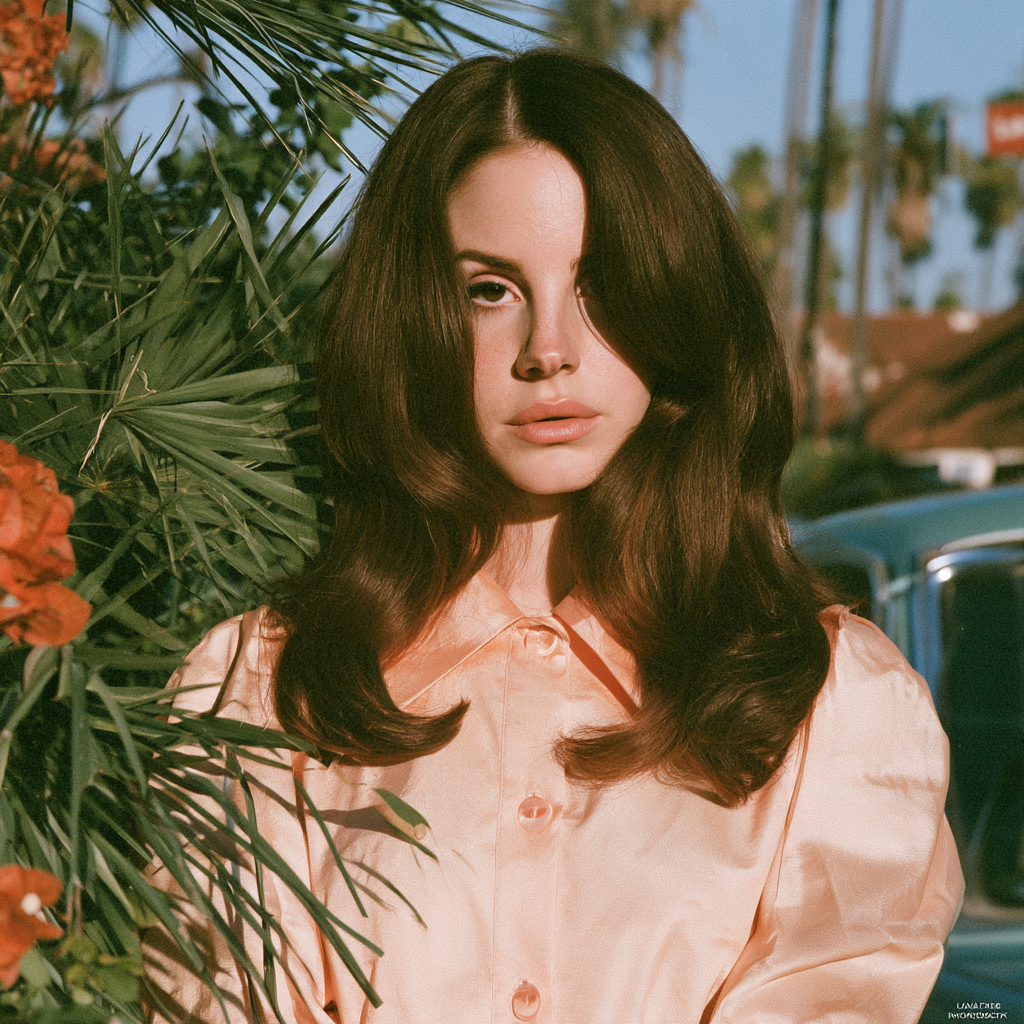
Lana Del Rey’s “Freak” to “Art Deco” Transition: Why It Sounds So Good
The famous transition between Lana Del Rey’s “Freak” and “Art Deco” comes from her 2015 album Honeymoon.
“Freak” is track six, while “Art Deco” immediately follows as track seven.
The two recordings share a similar atmosphere, allowing the ending of one to flow naturally into the beginning of the next.
The transition has become particularly popular in fan edits, fashion videos and dramatic visual transformations.
However, it isn’t a new song or a fan-created remix.
The connection has existed since the original album appeared.
What is the “Freak” to “Art Deco” transition?
It’s the musical passage connecting two consecutive songs on Honeymoon.
“Freak” gradually reaches its atmospheric ending.
“Art Deco” then continues with a closely related instrumental personality.
Rather than feeling like the end of one completely independent recording followed by another, the sequence creates the impression of moving through one extended musical experience.
That’s particularly effective on an album where atmosphere is as important as individual melodies.
When were the songs released?
18 September 2015.
Honeymoon arrived after Lana Del Rey’s enormously successful albums Born to Die and Ultraviolence.
The project emphasises cinematic arrangements, slow tempos, orchestral textures and a sense of romantic uncertainty.
Other important recordings include “High by the Beach”, “Salvatore”, “Terrence Loves You” and “The Blackest Day”.
“Freak” and “Art Deco” belong to the darker, more atmospheric middle section of the album.
Why do the two songs sound so similar?
They share a carefully constructed musical environment.
Both use restrained rhythms, atmospheric instrumental textures and Del Rey’s distinctive vocal phrasing.
The transition feels natural because the arrangements don’t suddenly abandon those qualities.
Instead, they maintain the emotional atmosphere while introducing a new melody.
That allows the listener to experience a change without feeling that the larger musical world has disappeared.
It’s similar to the way a film score can move between related scenes using familiar instrumental sounds.
Who produced “Freak” and “Art Deco”?
Both recordings were created through Lana Del Rey’s collaboration with Rick Nowels and Kieron Menzies.
Del Rey and Nowels are credited as writers of both songs.
Their work across Honeymoon helped create a consistent musical identity.
Rather than treating every track as a completely separate attempt at making a hit single, much of the record feels like part of one larger aesthetic.
The transitions become particularly noticeable when listening to the album in its original order.
What does “Freak” mean?
The song can be interpreted as an invitation to escape ordinary life and enter a more intense, unconventional romantic experience.
Its narrator presents a relationship as an opportunity to reject familiar expectations.
However, the atmosphere contains a sense of uncertainty.
The relationship sounds attractive without necessarily sounding secure.
That mixture of romantic fascination and underlying danger is a recognisable quality of Del Rey’s songwriting.
What does “Art Deco” mean?
“Art Deco” explores glamour, nightlife, attention and the desire to be noticed.
The title refers to the decorative design movement associated with geometric forms, luxury and the visual culture of the 1920s and 1930s.
Del Rey uses that aesthetic as part of a broader portrait of somebody moving through a glamorous social environment.
The character appears fascinated by attention but not necessarily satisfied by it.
That creates a natural connection with “Freak”.
Both songs explore the attraction of an exciting alternative identity while allowing room for emotional uncertainty.
Why does the transition work so well in TikTok videos?
Because it creates anticipation.
The first recording establishes an atmosphere, while the second provides a recognisable musical change.
Video creators can place a visual transformation at that moment.
A change of clothing, location, lighting or personal appearance can feel more dramatic when it happens alongside a musical transition.
The effect is particularly suitable for Del Rey’s music because the recordings already have a strong cinematic identity.
How can you hear the original transition?
Play Honeymoon in its original track order.
Begin with “Freak”, then allow “Art Deco” to play immediately afterwards.
Avoid shuffling the album.
If your music player has an additional crossfade setting enabled, try turning it off so you can hear the recordings as they were sequenced.
Some physical vinyl editions place the two songs on different sides, preventing the continuous transition.
For the uninterrupted listening experience, a continuous digital or CD playback is the simplest option.
What are other famous album transitions?
If you enjoy the way these recordings connect, try the following musical sequences.
Pink Floyd – Brain Damage into Eclipse
The closing section of The Dark Side of the Moon creates one of rock music’s most recognisable connected finales.
Queen – We Will Rock You into We Are the Champions
These recordings became permanently associated with each other through album sequencing, radio and sporting events.
The Beatles – Golden Slumbers into Carry That Weight into The End
Part of the famous Abbey Road medley, where separate musical ideas combine into one larger experience.
The Weeknd – Best Friends into Is There Someone Else?
The transition reflects the continuous radio-inspired structure of Dawn FM.
The Beatles – Sgt. Pepper’s Lonely Hearts Club Band into With a Little Help from My Friends
The opening section of the album presents two recordings as part of one theatrical performance.
Kendrick Lamar – These Walls into u
The transition on To Pimp a Butterfly contributes to the album’s broader narrative and emotional development.
What other Lana Del Rey songs sound like “Freak” and “Art Deco”?
Start with:
- Salvatore
- Music to Watch Boys To
- West Coast
- Shades of Cool
- The Blackest Day
- Religion
- Gods & Monsters
- Cherry
- In My Feelings
- Ultraviolence
These recordings explore different combinations of atmospheric production, cinematic songwriting and romantic ambiguity.
Which Lana Del Rey album should you listen to next?
If Honeymoon is your favourite, try Ultraviolence for darker guitar-driven arrangements.
Norman Fucking Rockwell! provides another route into sophisticated, cinematic songwriting, although its arrangements frequently place greater emphasis on piano.
The most rewarding approach is to hear the albums in order.
“Freak” and “Art Deco” demonstrate why some music reveals more when listeners experience the complete project rather than treating every song as an isolated recording.