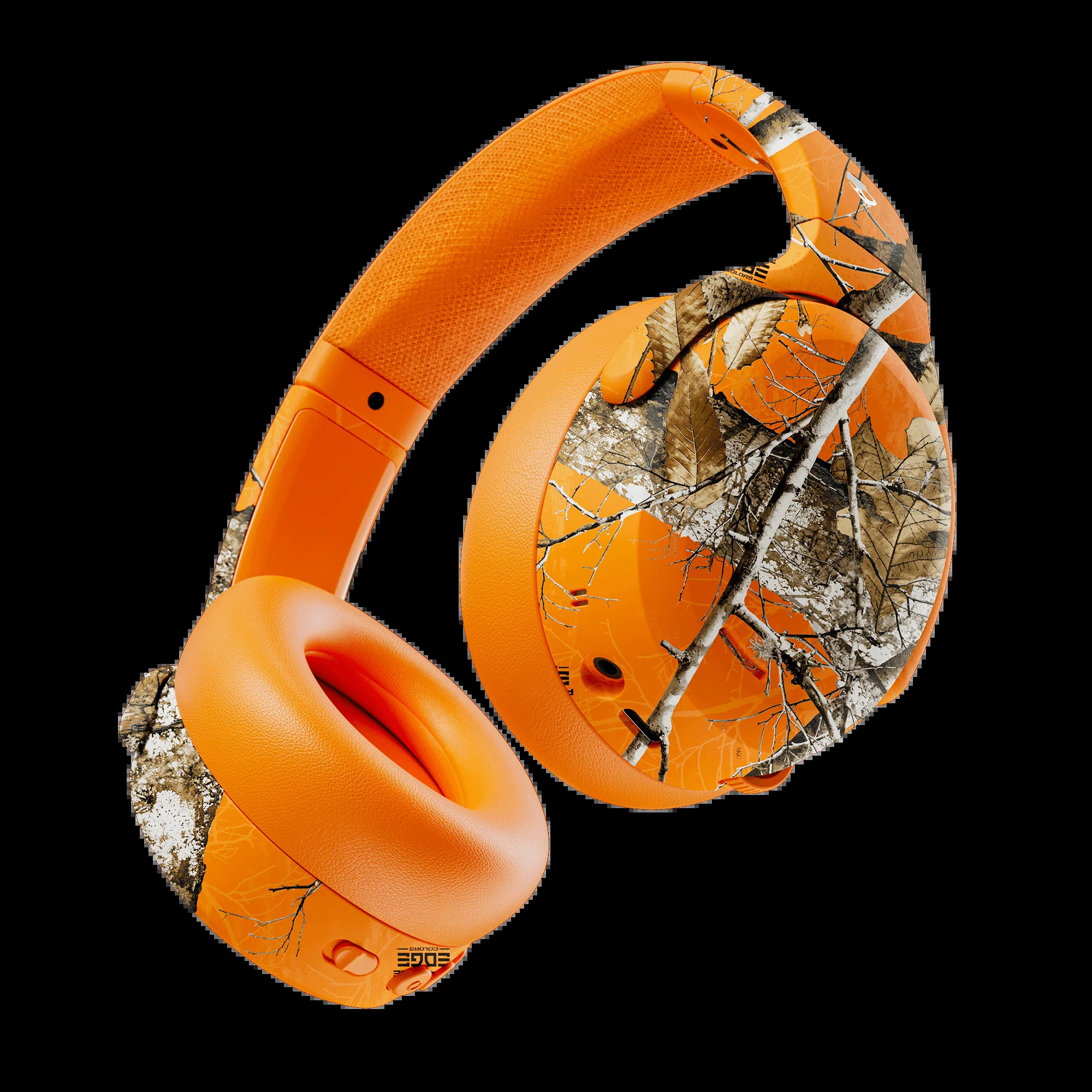
Bose Acquires Skullcandy as Audio Giant Continues Buying Major Music Technology Brands
Bose has acquired Skullcandy, bringing two of the world’s most recognisable headphone brands under the same ownership.
Announced on 21 October 2026, the deal marks the latest in a series of acquisitions by Bose, which has been expanding beyond its traditional headphones and speakers business into luxury audio, music technology, gaming and connected devices.
Over the past two years, Bose has acquired several businesses, including McIntosh Group, StreamUnlimited Engineering and Firelight Technologies.
The purchases suggest that Bose is building something much bigger than a headphone company, with plans to become a major supplier of audio technology across multiple industries.
Why Has Bose Bought Skullcandy?
Bose and Skullcandy might seem like unusual partners at first.
Bose is best known for premium headphones, noise cancellation technology and high-quality home audio equipment.
Skullcandy, meanwhile, has built its reputation around affordable headphones, bold designs, powerful bass and close connections to skateboarding, snowboarding and youth culture.
However, the companies have already been working together.
In April 2025, Skullcandy launched its Method 360 ANC wireless earbuds featuring Sound by Bose technology. The partnership combined Skullcandy’s distinctive design with audio tuning developed alongside Bose.
The relationship expanded in July 2026 with the launch of Skullcandy’s Crusher 1080 ANC headphones.
Those headphones featured several Bose technologies, including QuietControl active noise cancellation, TrueSpatial immersive audio and the Bose WaveForm Audio Engine.
The acquisition now brings that relationship under one company.
For Bose, the appeal is clear. Skullcandy reaches audiences and communities that the Bose brand has traditionally struggled to attract.
For Skullcandy, the deal provides access to Bose’s research, technology, global distribution and financial resources.
Will Skullcandy Headphones Be Replaced by Bose?
Bose has confirmed that Skullcandy will continue operating as a separate brand within its Premium Consumer Audio business.
The company will also retain its headquarters in Park City, Utah, where Skullcandy was founded in 2003.
This means Skullcandy headphones will not simply be replaced by Bose-branded alternatives.
Instead, Bose intends to maintain Skullcandy’s distinctive identity while investing in new products and technology.
That could be good news for consumers who enjoy Skullcandy’s bass-heavy headphones and colourful designs but also want premium features such as more advanced noise cancellation.
The companies have not announced any immediate changes to Skullcandy’s existing product prices or customer support arrangements.
Financial terms of the acquisition have not been disclosed. Bose purchased Skullcandy from a fund managed by private investment firm Mill Road Capital Management.
What Other Companies Has Bose Acquired Recently?
The Skullcandy acquisition is part of a much larger expansion strategy.
Since November 2024, Bose has announced four significant acquisitions, bringing additional consumer brands and specialist audio technology businesses into the company.
1. McIntosh Group – November 2024
One of Bose’s biggest moves came in November 2024, when it acquired McIntosh Group from private investment firm Highlander Partners.
The acquisition brought two major luxury audio brands into Bose’s portfolio: McIntosh and Sonus faber.
McIntosh is an American high-end audio manufacturer best known for its distinctive amplifiers, speakers and premium home audio systems.
Its products are often associated with serious music enthusiasts who invest heavily in their home listening setups.
Sonus faber is an Italian luxury speaker manufacturer known for combining high-quality sound reproduction with carefully crafted designs.
Both brands operate in a very different market from Bose’s mainstream headphones and Bluetooth speakers.
The acquisition allows Bose to offer products across a much wider range of price points, from everyday wireless earbuds to expensive audiophile sound systems.
It also creates new opportunities in automotive audio, where Bose and McIntosh have both developed relationships with vehicle manufacturers.
2. StreamUnlimited Engineering – June 2026
On 9 June 2026, Bose announced the acquisition of StreamUnlimited Engineering GmbH, a technology company based in Vienna, Austria.
Unlike Skullcandy or McIntosh, StreamUnlimited is not primarily a consumer headphone brand.
Instead, the company develops software and hardware technology that helps manufacturers create connected audio products.
Its services include streaming platforms, wireless audio solutions, hardware modules and smart home integrations.
These technologies help devices communicate with streaming services and other connected products.
For example, a modern wireless speaker needs more than just good audio components. It also needs software capable of handling streaming connections, wireless networking and interactions with other speakers.
StreamUnlimited provides technology that helps manufacturers develop these experiences.
Bose acquired the business to strengthen its own technology division and bring its audio innovations to more devices made by other companies.
This could eventually support everything from wireless speakers and headphones to smart home devices and wearables.
3. Firelight Technologies – October 2026
On 1 October 2026, Bose announced another acquisition, purchasing Australian audio software company Firelight Technologies.
Firelight is best known for developing FMOD, an audio technology platform widely used throughout the video game industry.
FMOD allows game developers to create interactive sound experiences that change dynamically depending on what happens during gameplay.
For example, music might become more intense during a battle, background sounds may respond to a player’s location, or environmental audio might change as someone moves through a virtual world.
The technology gives developers greater control over how sound behaves in real time.
By acquiring Firelight, Bose gains access to an established software platform with applications beyond traditional music listening.
The company has identified gaming as an important growth opportunity and sees potential uses for interactive audio in virtual reality, augmented reality and automotive systems.
Bose has also confirmed that FMOD will remain available to existing developers and customers.
4. Skullcandy – October 2026
Just 20 days after announcing its Firelight acquisition, Bose confirmed the purchase of Skullcandy on 21 October 2026.
Unlike the two preceding technology acquisitions, Skullcandy gives Bose an established consumer brand with its own product range and loyal following.
Its headphones, earbuds and speakers are particularly popular with listeners who value strong bass, distinctive styling and products connected to sports and lifestyle culture.
By bringing Skullcandy into its portfolio, Bose can expand its reach without requiring every product to carry the Bose name.
The company now has consumer brands serving several different parts of the audio market.
Which Brands Does Bose Own in 2026?
Following these acquisitions, Bose’s portfolio includes several recognised audio brands and specialist technology businesses.
| Brand or business | Main focus |
|---|---|
| Bose | Premium headphones, speakers and audio technology |
| Skullcandy | Lifestyle headphones, earbuds and speakers |
| McIntosh | Luxury amplifiers, speakers and hi-fi equipment |
| Sonus faber | High-end home audio speakers |
| StreamUnlimited | Connected audio and streaming technology |
| Firelight Technologies (FMOD) | Interactive audio software for gaming |
McIntosh and Sonus faber joined Bose through the same McIntosh Group acquisition, while StreamUnlimited and Firelight are primarily technology businesses rather than standalone consumer headphone brands.
Why Is Bose Acquiring So Many Audio Companies?
Bose’s recent acquisitions point towards a change in the company’s long-term strategy.
Historically, Bose has been closely associated with its own consumer products.
However, the company is increasingly looking to generate value through a wider collection of brands and by supplying audio technology to other businesses.
This approach has several potential advantages.
First, Bose can reach different audiences without trying to make one brand appeal to everyone.
Someone buying Skullcandy headphones for skateboarding may have very different priorities from someone purchasing a McIntosh amplifier for a dedicated listening room.
Second, Bose can distribute its technology across more products.
Features developed through its research into sound reproduction, noise cancellation and immersive audio could potentially appear in products sold under several different brands.
Third, the company can expand into growing technology markets such as gaming, wearables and connected home entertainment.
The acquisitions of StreamUnlimited and Firelight are particularly important because they provide software capabilities that could be used beyond Bose’s own hardware.
Instead of only selling finished headphones and speakers, Bose is building a business that can help other companies create audio experiences.
What Does the Skullcandy Acquisition Mean for Headphone Buyers?
For everyday music listeners, the most interesting question is whether Bose ownership will lead to better Skullcandy headphones.
The existing partnership provides an early indication of what might be possible.
Products such as the Method 360 ANC earbuds and Crusher 1080 ANC headphones already demonstrate how Skullcandy designs can incorporate Bose audio technology.
Future headphones could potentially feature improved noise cancellation, more advanced spatial audio or better overall sound quality.
However, Bose has not announced a specific roadmap for future Skullcandy products.
It also remains unclear whether the acquisition will lead to changes in pricing.
Skullcandy has historically competed across more affordable parts of the headphone market, so maintaining accessible pricing could be important to preserving its existing customer base.
For now, consumers can expect Skullcandy to continue operating as its own brand.
Bose Is Expanding Beyond Headphones and Speakers
Bose’s expansion is not limited to acquisitions.
In June 2026, the company also announced Bose Studios, a music-focused content platform designed to develop original projects, artist experiences and partnerships.
The initiative reflects Bose’s growing interest in the wider music ecosystem rather than simply the devices people use to listen.
Combined with its acquisitions, the direction of the business is becoming clearer.
Bose wants to participate in more parts of the audio experience, from how sound is created and processed to how it is delivered through headphones, speakers, cars and other devices.
What’s Next for Bose and Skullcandy?
Bose has not confirmed whether more acquisitions are planned, but its recent activity shows a clear ambition to expand across the audio industry.
The company has acquired luxury consumer brands, a connected audio technology provider, an interactive gaming audio platform and now a popular lifestyle headphone manufacturer.
These businesses serve different markets, but they share one important connection: audio technology.
With Skullcandy remaining an independent brand within the wider Bose business, the immediate impact on consumers may be relatively small.
Over the longer term, however, the combination of Bose’s engineering expertise and Skullcandy’s consumer appeal could lead to a new generation of headphones and earbuds.
And with its recent investments in luxury audio, gaming and connected technology, Bose is positioning itself to play a much bigger role in how people experience sound.